Discover the most popular fiber articles this week. From gut health to weight loss, these trending reads are backed by science and chosen by our community.
How Much Fiber Do You Actually Need?
Most people have no idea. Enter your age, gender, and activity level — get your personalized daily target in seconds.
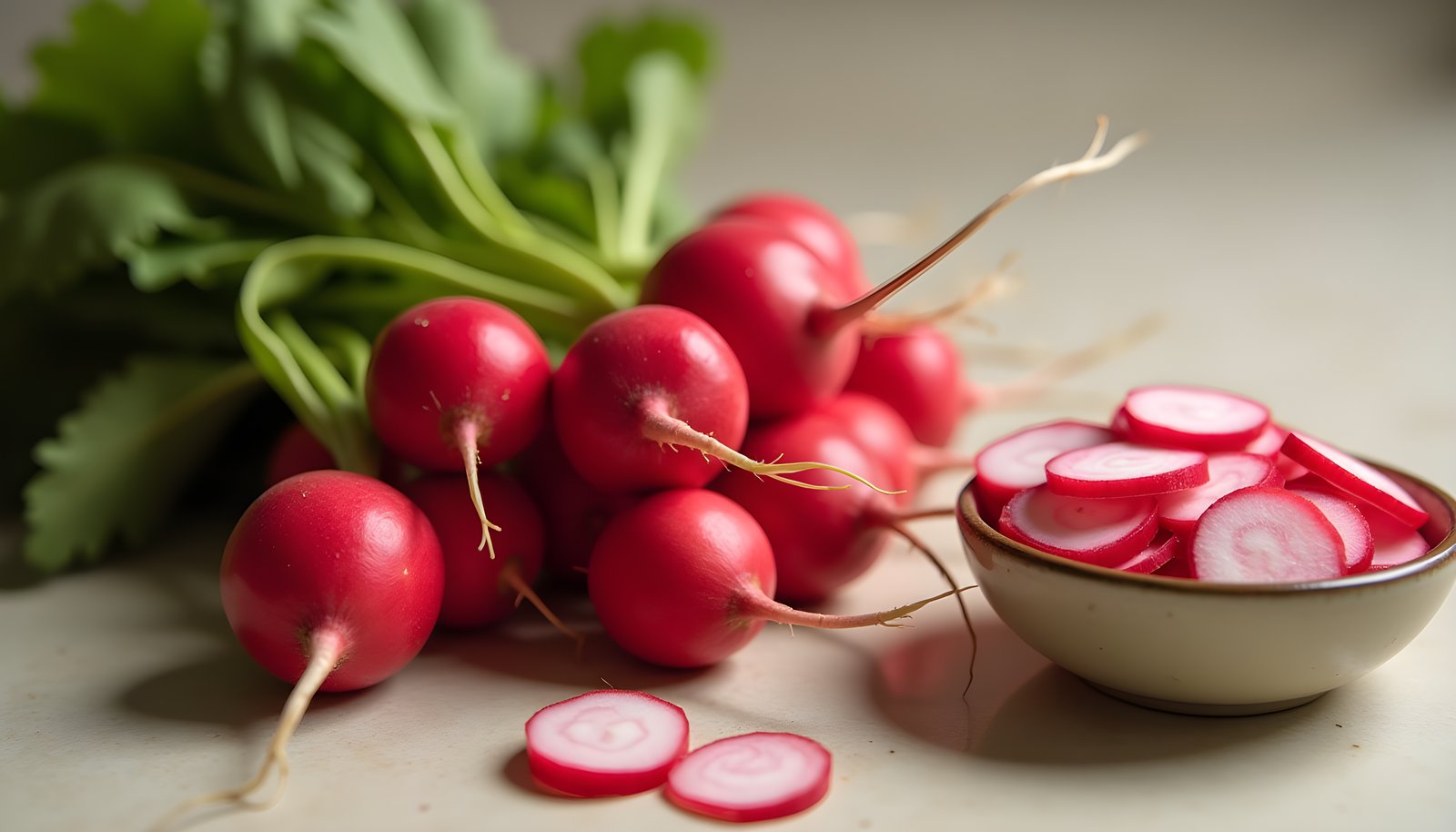
Yes, a little. Radishes fiber comes to about 1.9 grams per cup of raw slices for just 19 calories, and daikon radish is similar. They are a small fiber source but one of the lightest ways to add crunch and volume to a meal.
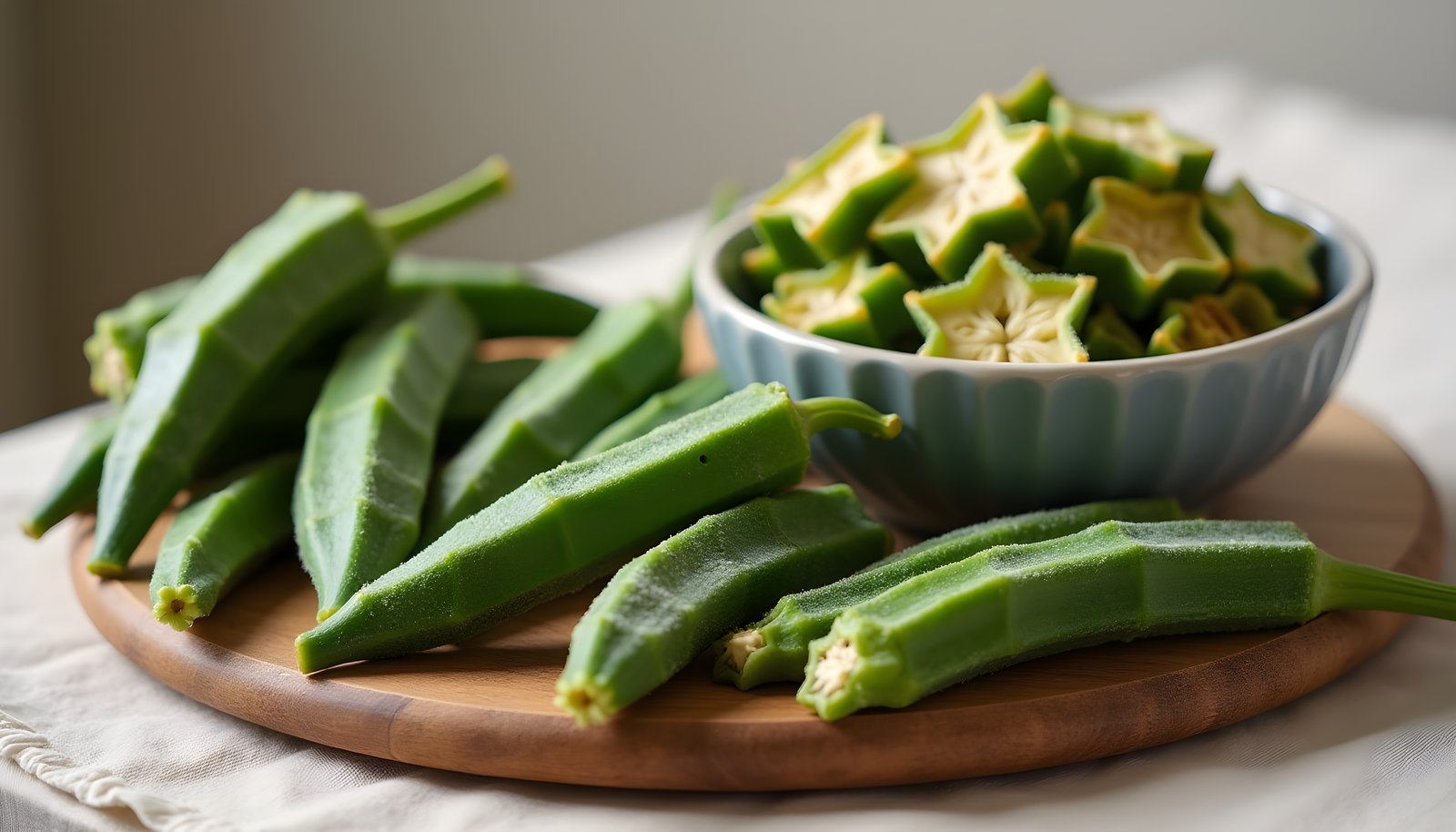
Yes, for a vegetable this light. Okra fiber comes to about 4 grams per cooked cup for only 35 calories, and eight raw pods give you about 3 grams. That ties okra with green beans among everyday vegetables.
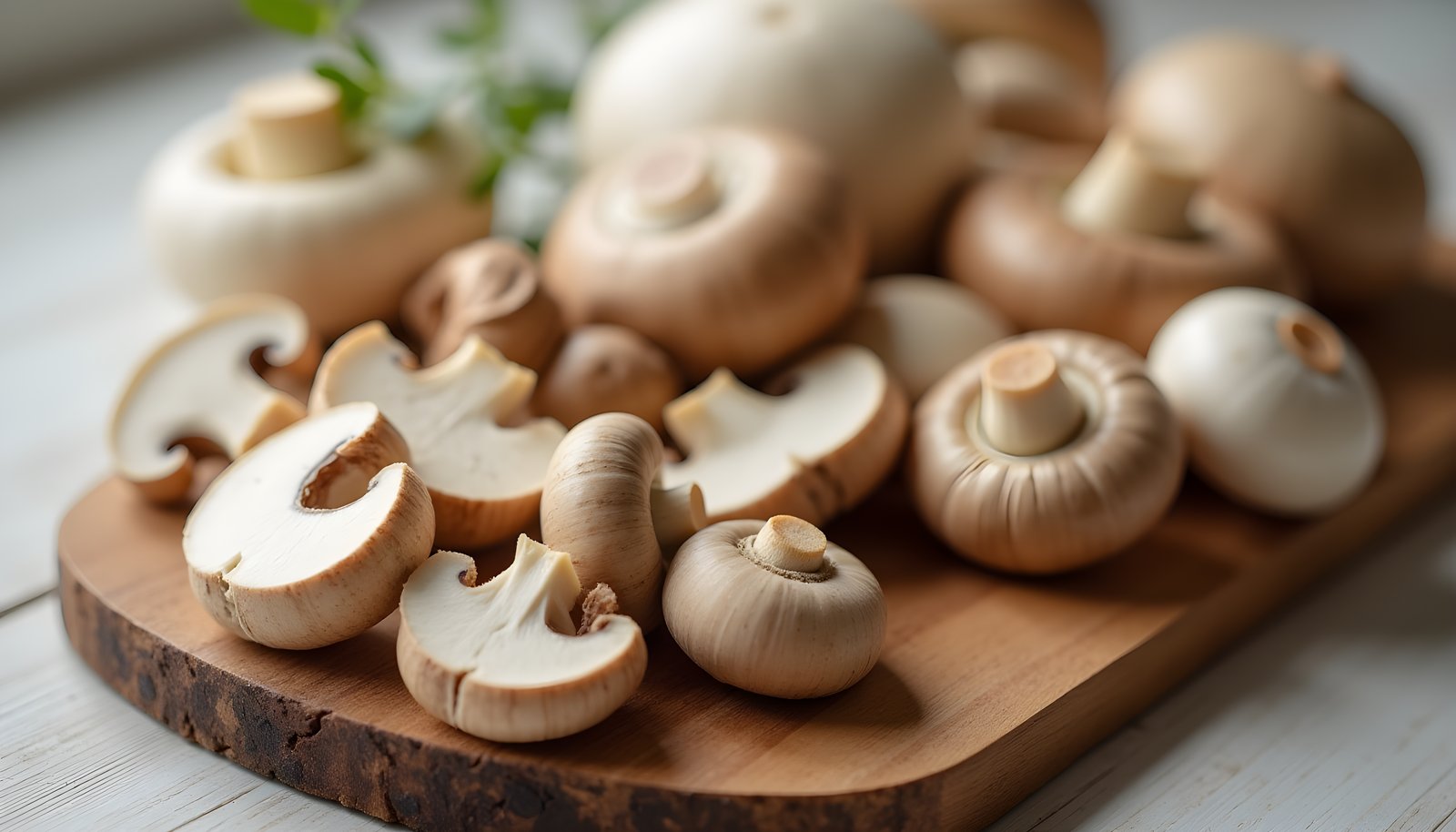
Yes, though mushrooms fiber depends on cooking. A cup of raw white mushrooms has only about 1 gram of fiber, while a cup of cooked mushrooms has about 3.4 grams, because cooking shrinks them and packs more into the cup.
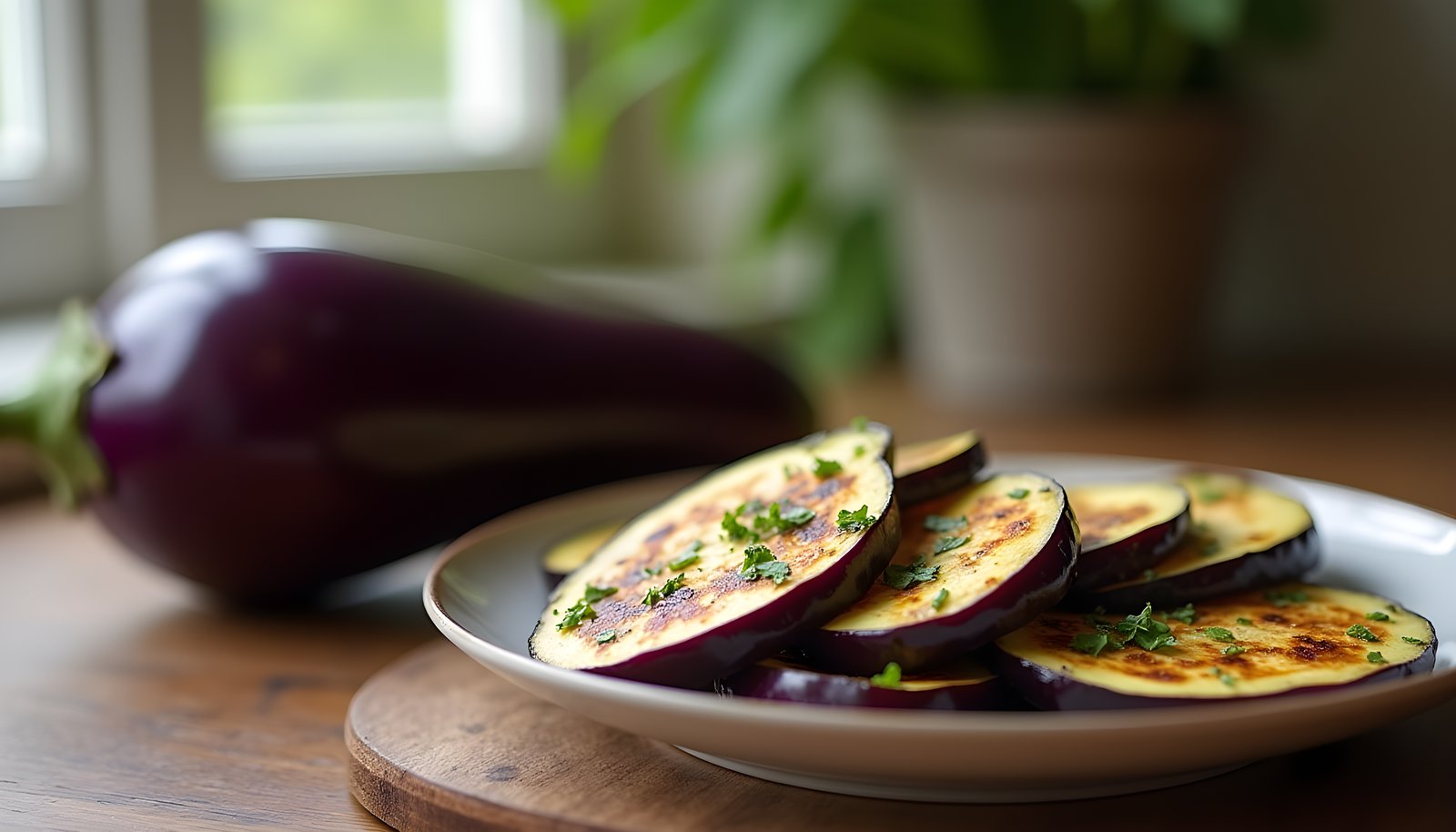
Yes. Eggplant fiber comes to about 2.5 grams per cup, raw or cooked, for 20 to 35 calories, and a whole medium eggplant holds around 16 grams. How you cook it matters more for calories than for fiber.
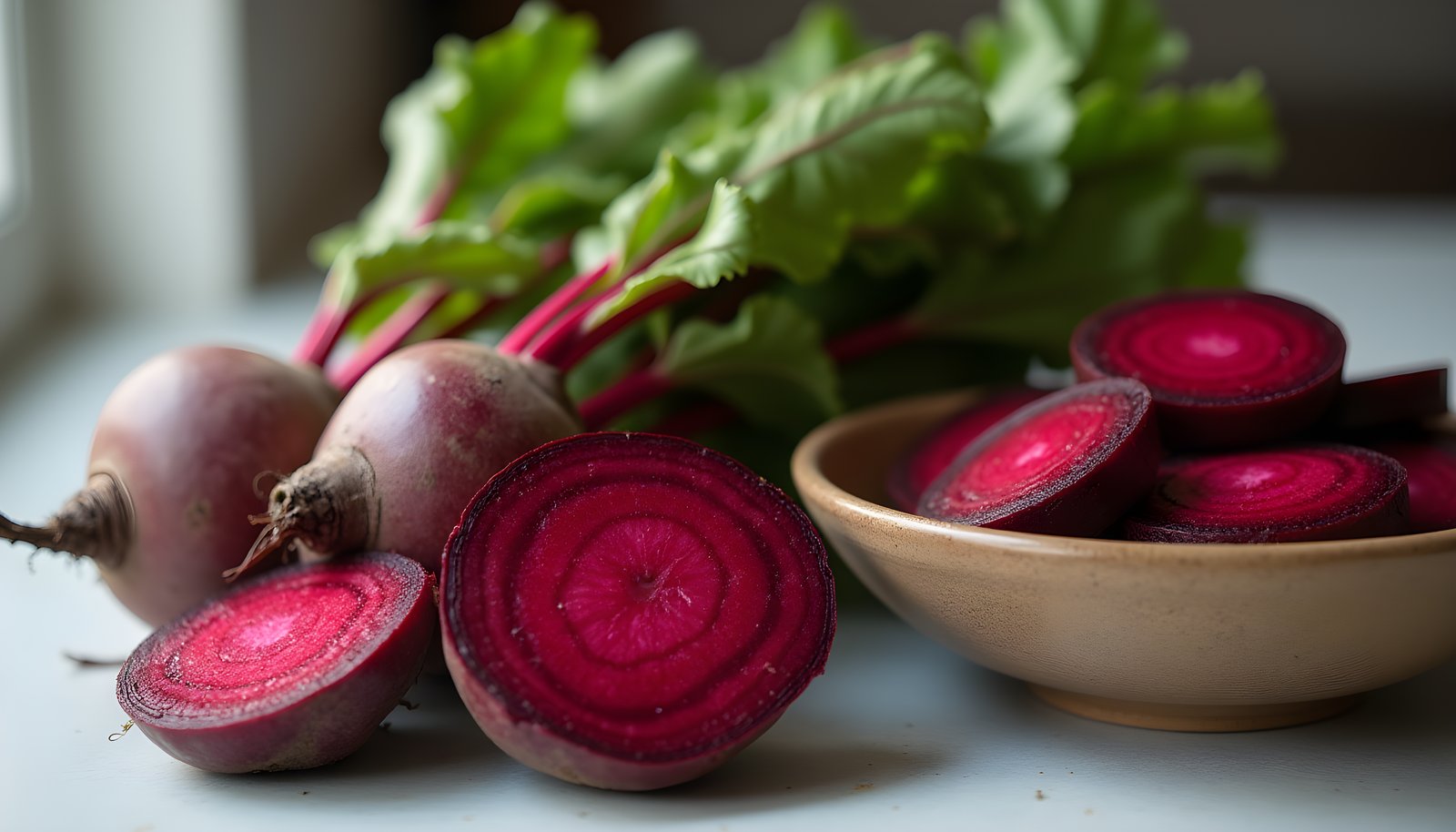
A medium raw beet has about 2.3 grams of fiber, and a cup of sliced raw beets about 3.8 grams. Beets fiber content drops slightly when they’re boiled or canned, so raw and roasted beets give you the most per serving.
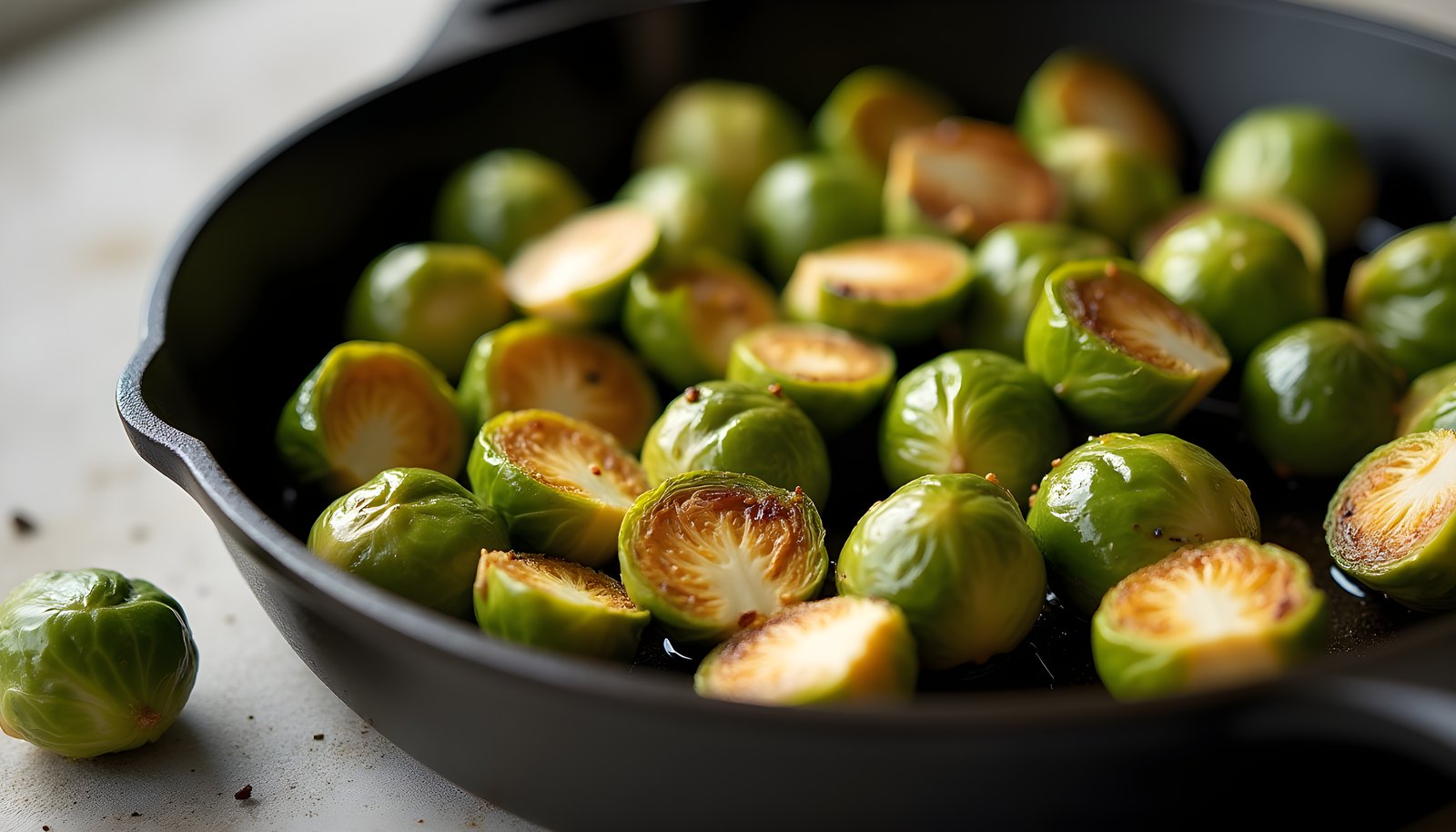
Yes. Brussels sprouts fiber reaches about 6.4 grams per cooked cup, which puts them near the top of common vegetables. A raw cup gives you about 3.3 grams for only 38 calories.
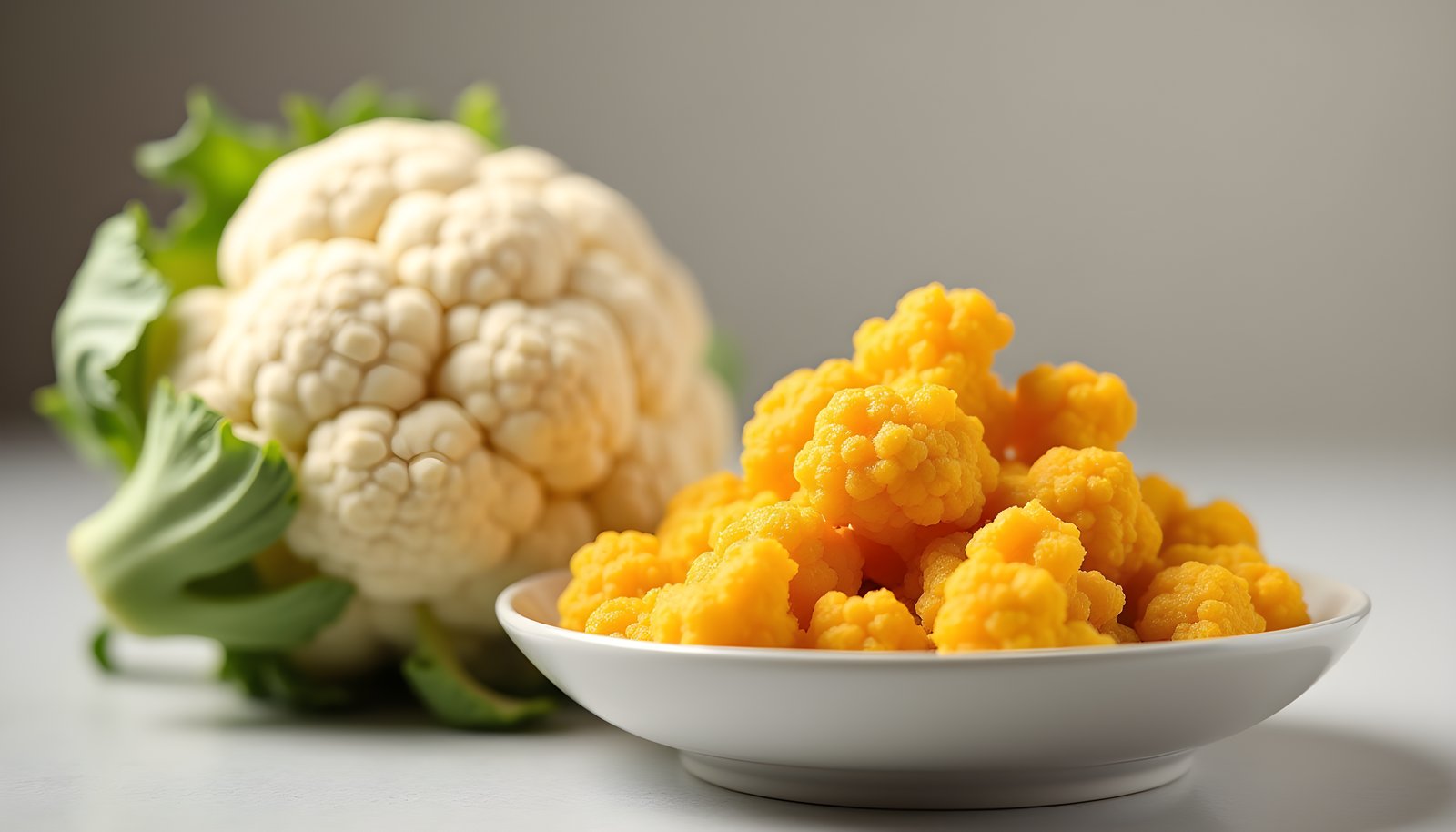
Yes. Cauliflower fiber comes to about 2.1 grams in a cup of raw florets and roughly 4.9 grams in a cup of cooked cauliflower, for very few calories. It is a modest source by the cup but a strong one per calorie.
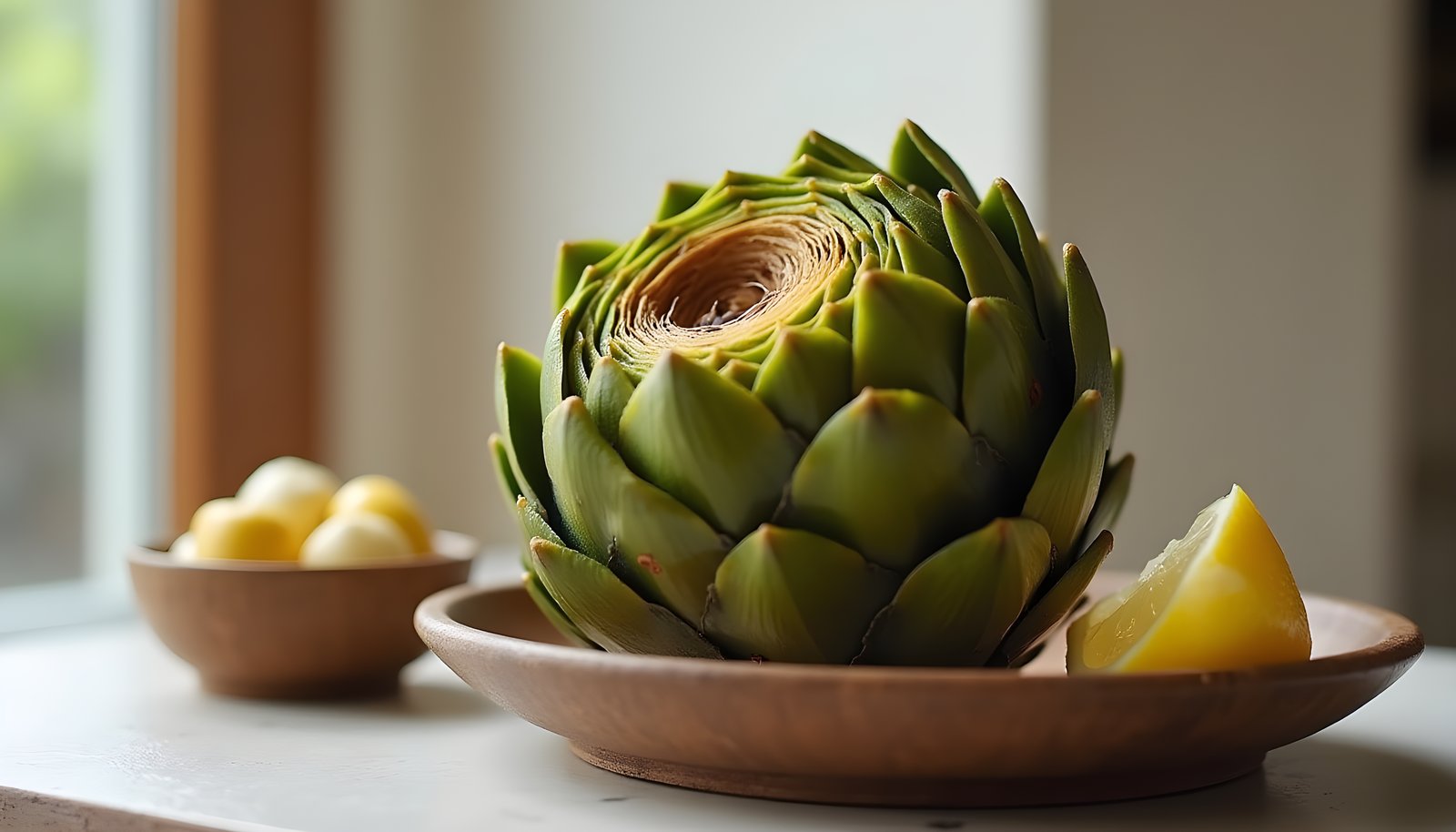
Yes, and more than almost any other vegetable. Artichokes fiber reaches about 6.8 grams in one medium boiled globe artichoke and 9.6 grams per cup of cooked hearts and leaf bases, ahead of peas, Brussels sprouts and broccoli.
Yes. Fenugreek seeds fiber comes to about 24.6 grams per 100 grams in USDA data, or 2.7 grams per tablespoon, more than double the fiber of sesame. A good share of it is soluble, gel forming fiber, though most people use the seeds by the teaspoon.
Yes. Basil seeds fiber ranges from about 7 to 26 grams per 100 grams in lab studies, much of it in the gel coat that forms when you soak them. The catch is that most bottled basil seed drinks deliver only 1 to 2 grams per bottle.
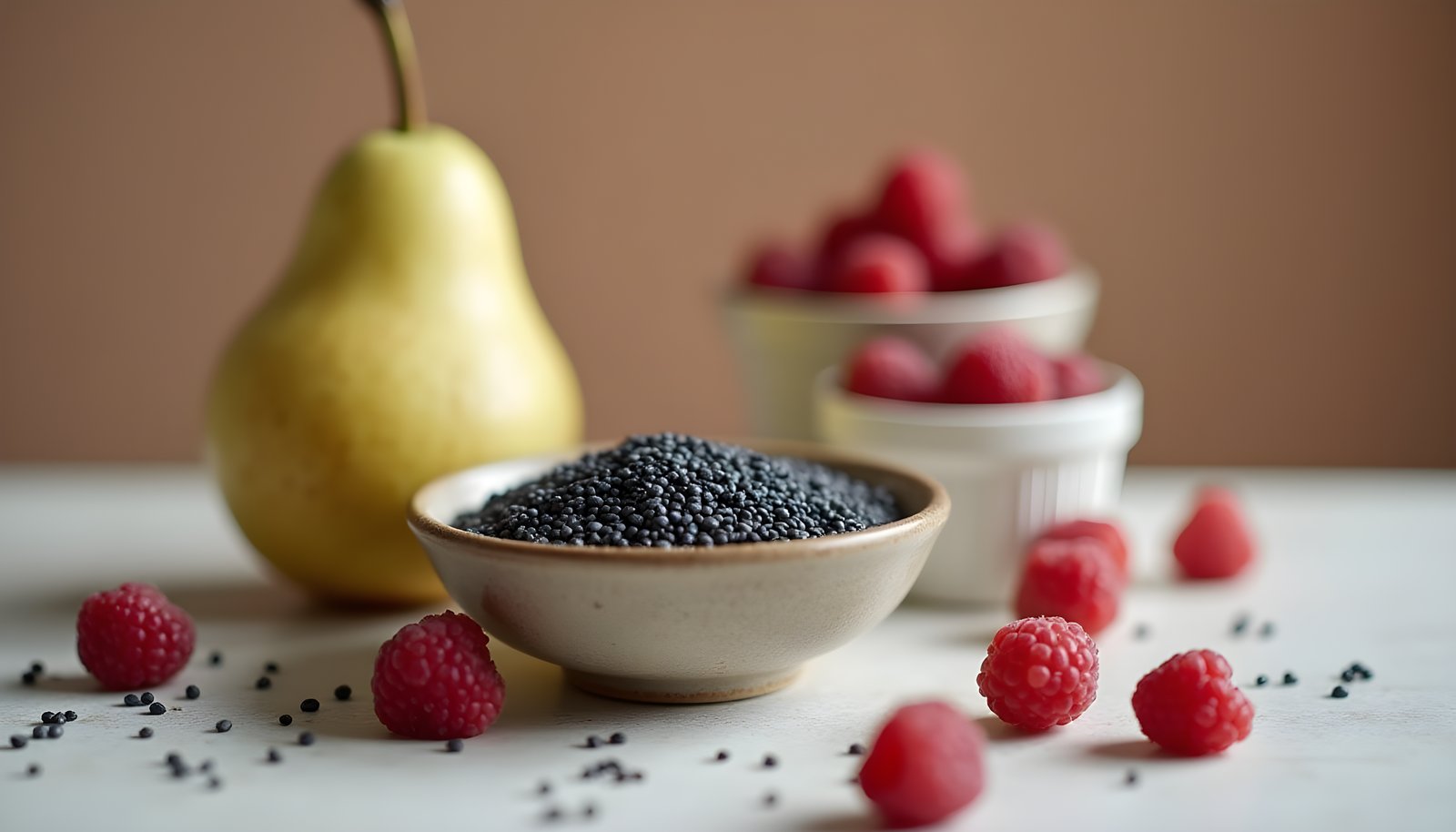
Yes. Poppy seeds fiber reaches 19.5 grams per 100 grams, which puts these tiny seeds third among common seeds behind chia and flax. A tablespoon gives you about 1.7 grams, but a poppy seed muffin can carry as little as 1 gram.
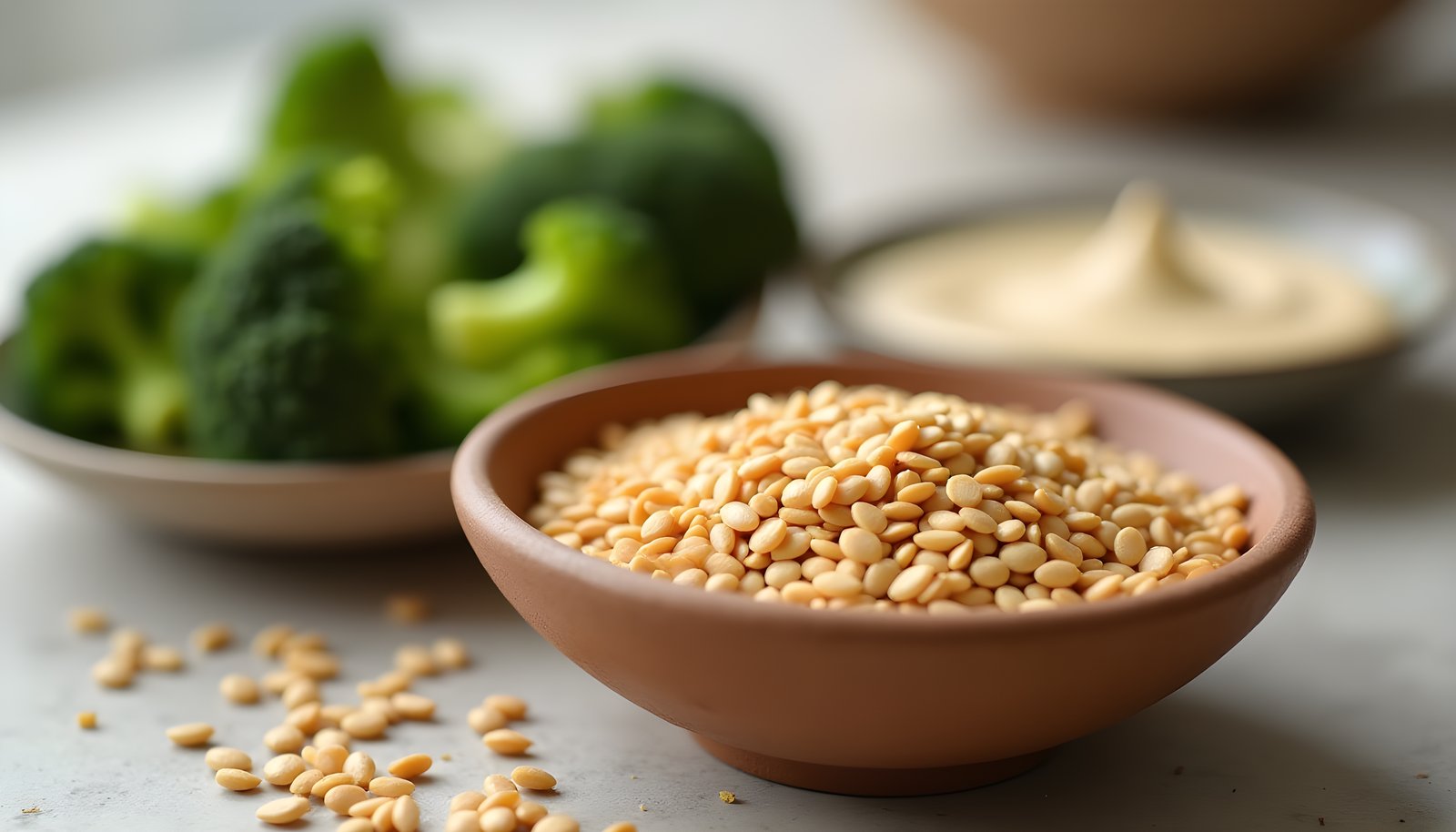
Yes. Whole sesame seeds fiber adds up to about 1.1 grams per tablespoon and 3.3 grams per ounce, and toasted seeds run a little higher. Hulled white seeds keep almost all of that fiber, but they lose most of their calcium.
Free · 7-day starter guide
Get our Gut Reset Quick-Start when you subscribe
Join 47,000 readers getting the Weekly Fiber Digest — research roundups, recipes, and discounts every Thursday.