Artichokes, broccoli, Brussels sprouts and more. The highest-fiber vegetables, how cooking affects their fiber, and easy ways to work more of them into every meal.
Fiber + Vegetables with Fiber
Artichokes, broccoli, Brussels sprouts and more. The highest-fiber vegetables, how cooking affects their fiber, and easy ways to work more of them into every meal.
Browse Topics
No data was found
How Much Fiber Do You Actually Need?
Most people have no idea. Enter your age, gender, and activity level — get your personalized daily target in seconds.
On fresh vs frozen vegetables fiber, frozen holds its own: USDA data show cooked frozen Brussels sprouts at 4.1 grams of fiber per 100 grams versus 2.6 for fresh, and most other vegetables land within half a gram. Here’s the side by side data, what happens to vitamins, and how to use frozen vegetables for easy meal prep.
On raw vs cooked vegetables fiber, cooking barely moves the grams: USDA data show carrots at 2.8 grams per 100 grams raw and 3.0 boiled, with most vegetables shifting by less than a gram. What cooking does change is water, volume and vitamins, so the method you choose matters more than whether you cook at all.
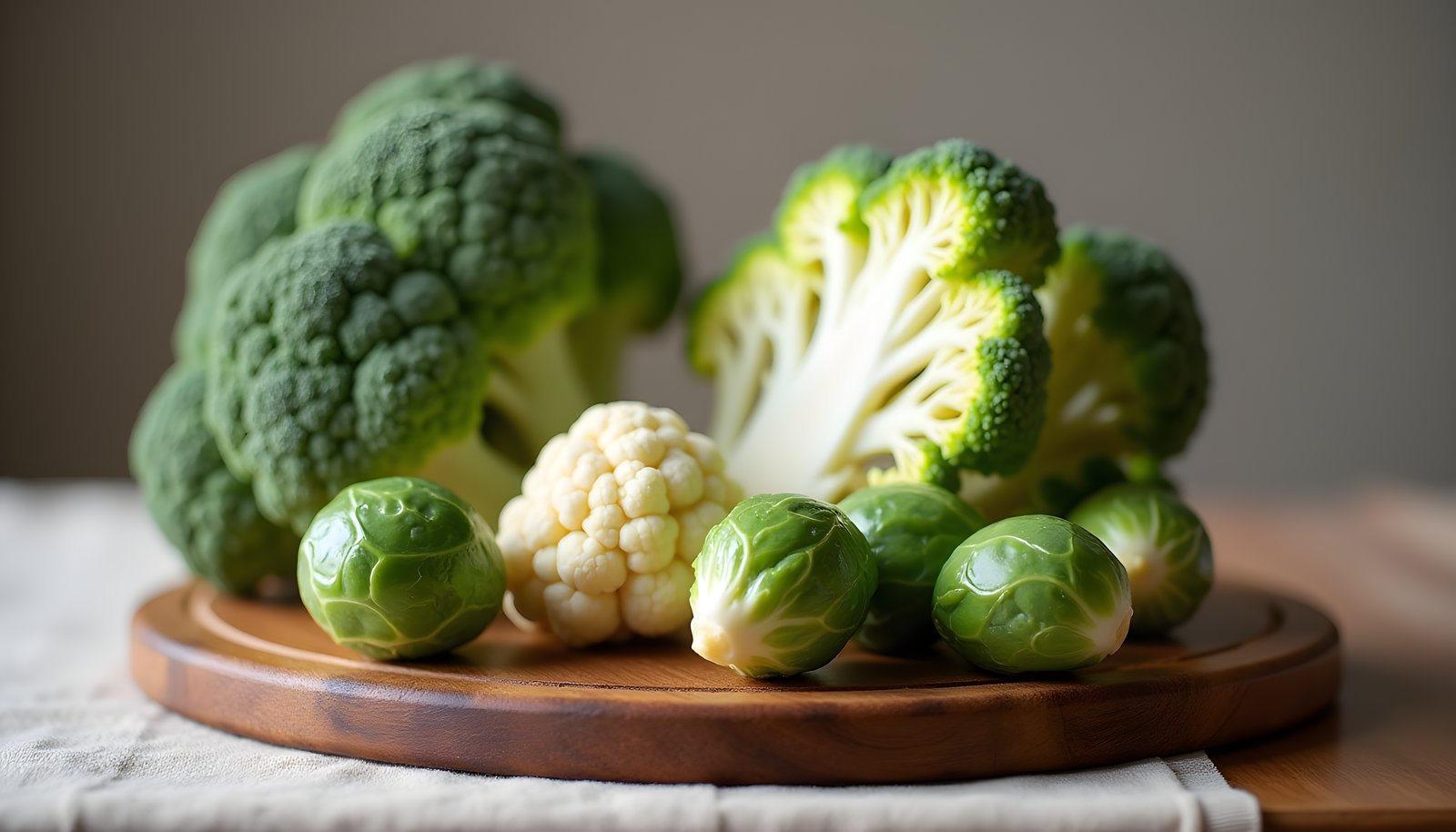
Cruciferous vegetables fiber ranges widely: a cooked cup of Brussels sprouts has 6.4 grams, broccoli 5.2 and cauliflower 4.9, while a cup of raw bok choy has under 1 gram. Here’s every common crucifer ranked, plus how cooking and portion size change the numbers.
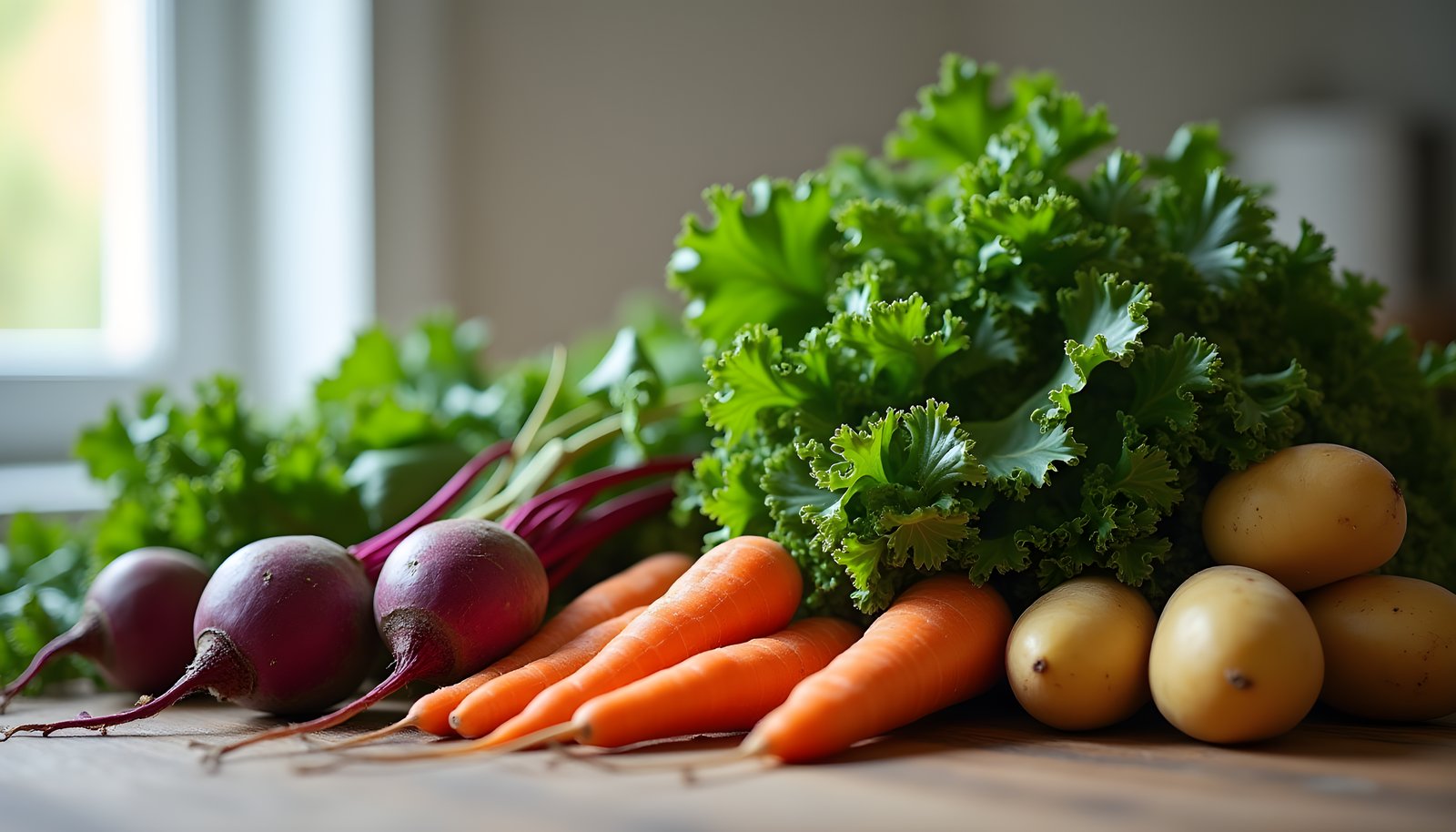
On leafy greens vs root vegetables fiber, the answer flips depending on how you measure: cup for cup, roots like parsnips and sweet potatoes win with over 6 grams, but per calorie, cooked greens like turnip greens deliver more than five times the fiber. Here’s how they compare and when each makes sense.
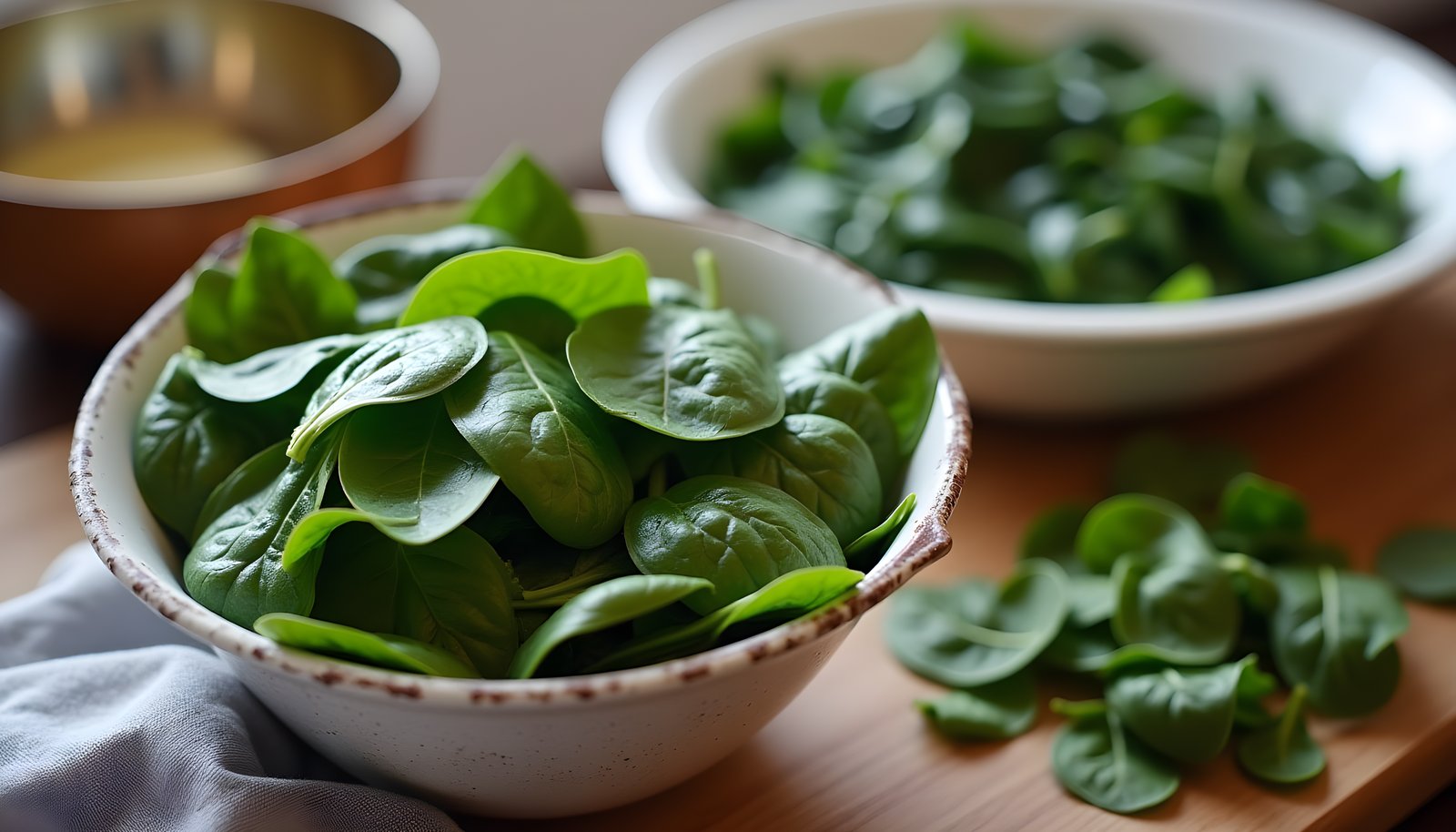
Spinach fiber adds up to about 4.3 grams in a cup of cooked spinach, along with more than a third of your daily magnesium. Spinach wraps and pastas rarely deliver the same benefits, so cooked leaves are the form worth building meals around.
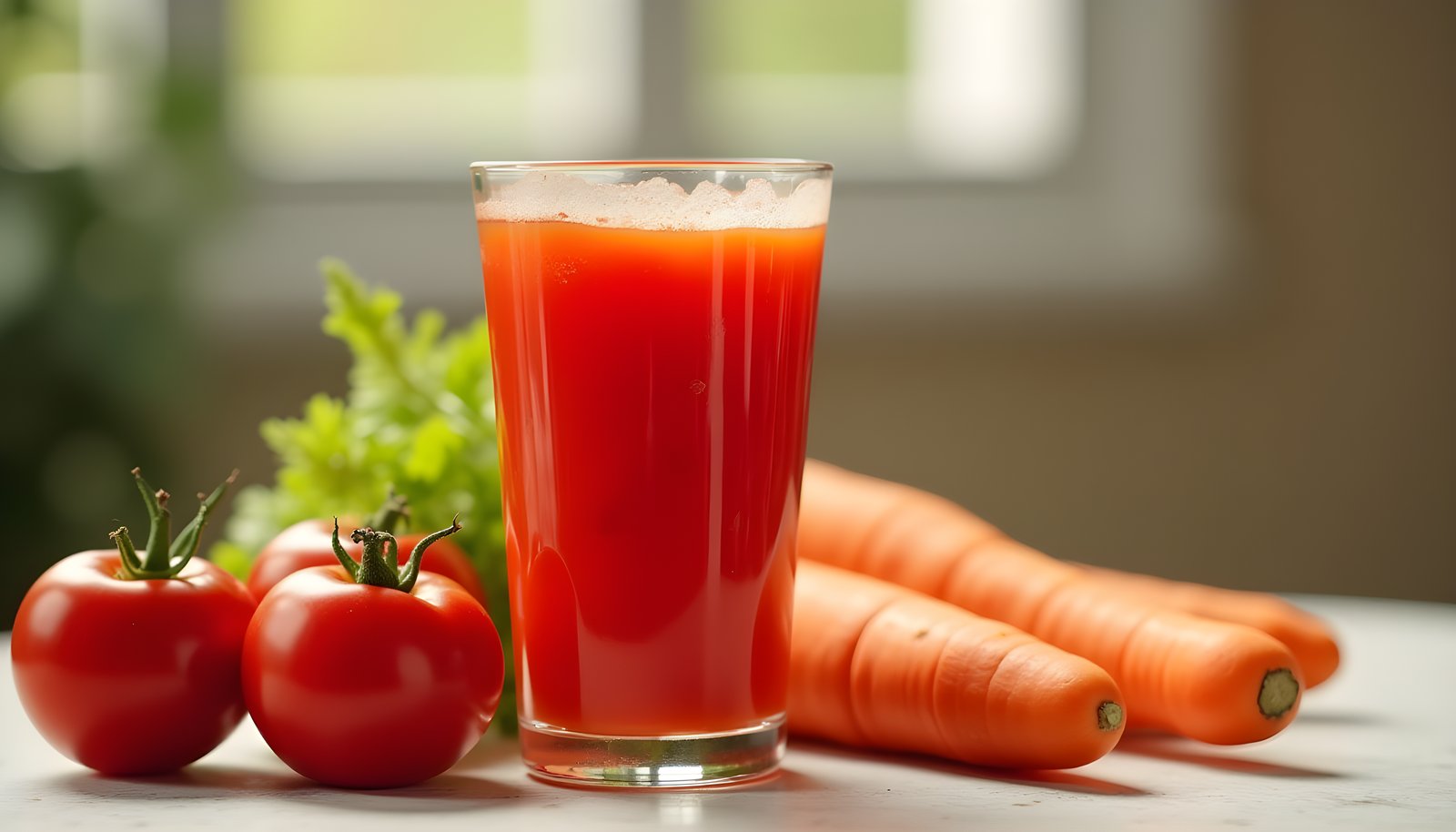
Vegetable juice fiber is low: most bottles and USDA records land between 1 and 2 grams per cup, about 7% of the Daily Value at best. Blending whole vegetables, as in gazpacho or a homemade tomato, carrot and celery drink, can roughly triple that.
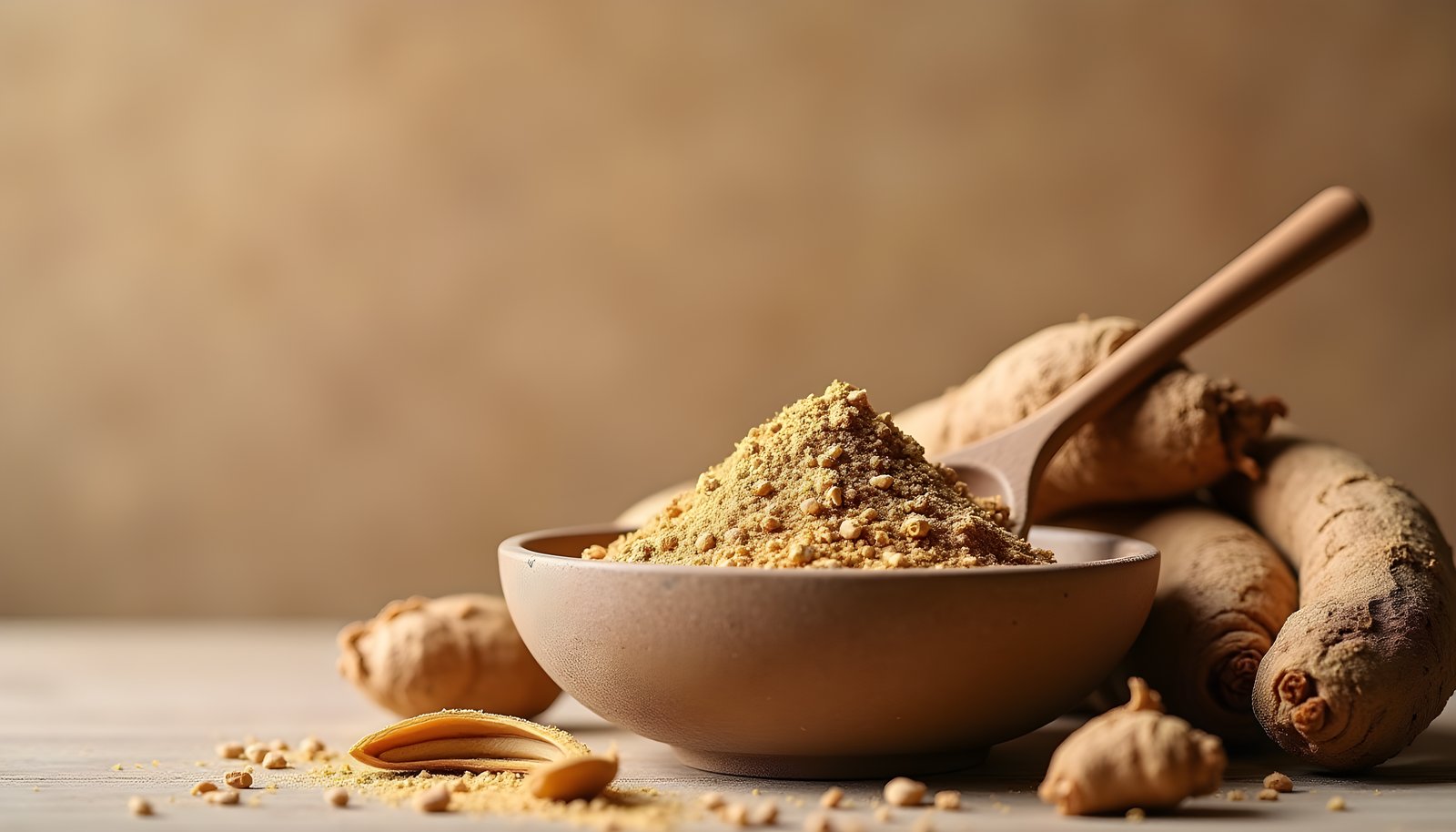
Dried maca root fiber runs about 15.6 to 26 grams per 100 grams, according to a 2019 review in Food Chemistry. A 5 gram scoop of maca powder adds roughly 1 gram of fiber, more than many superfood powders but still a small share of your daily needs.
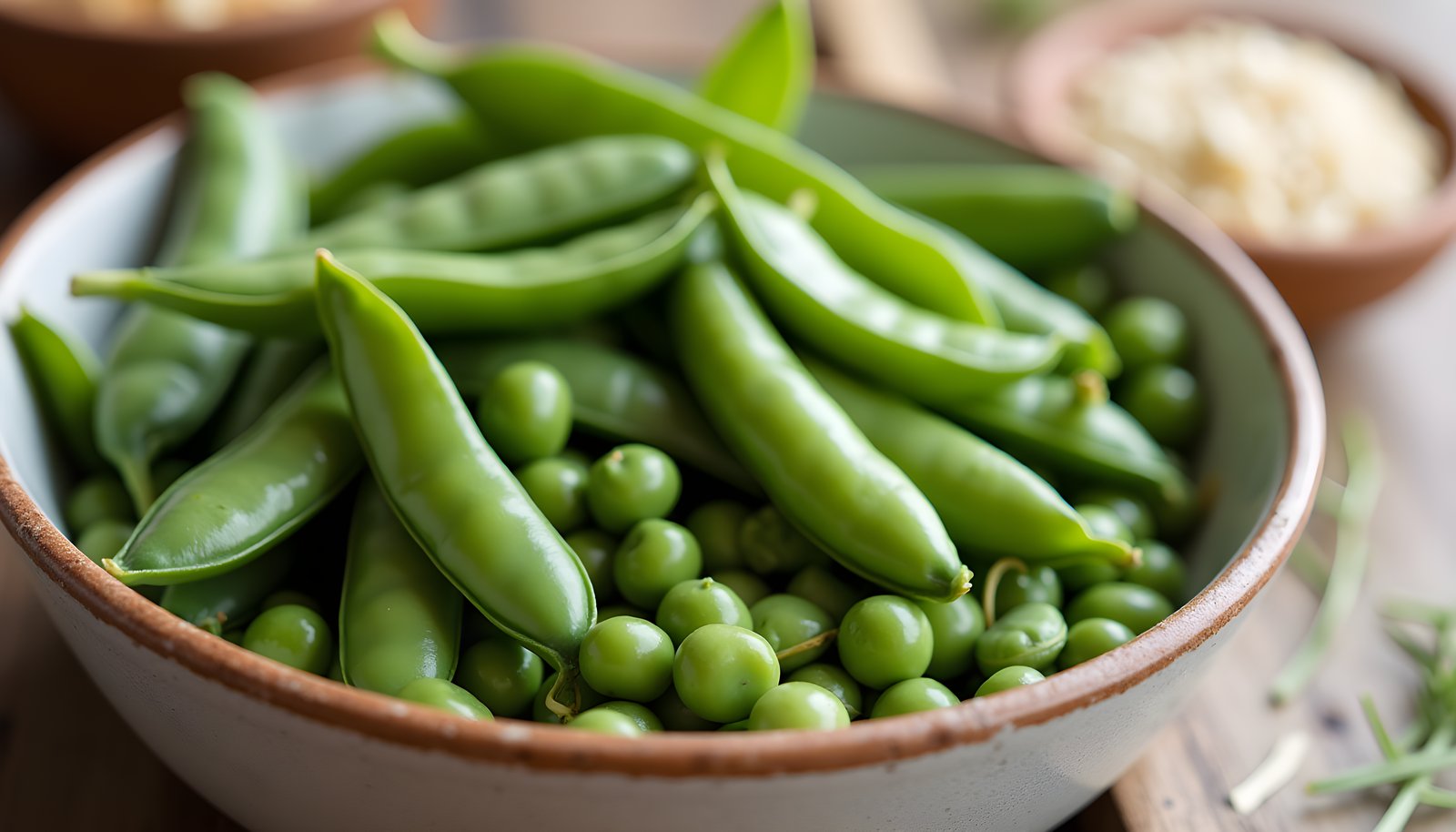
Do peas have fiber? Yes: a cup of cooked green peas has 8.8 grams, about 31% of the Daily Value, for 134 calories. That’s more than double the fiber in a cup of corn with the same calories.
Does zucchini have fiber? A little: a cup of sliced raw zucchini has about 1.1 grams, around 4% of the Daily Value, for 19 calories. It’s mostly water, so it shines for volume and vitamin C rather than fiber.
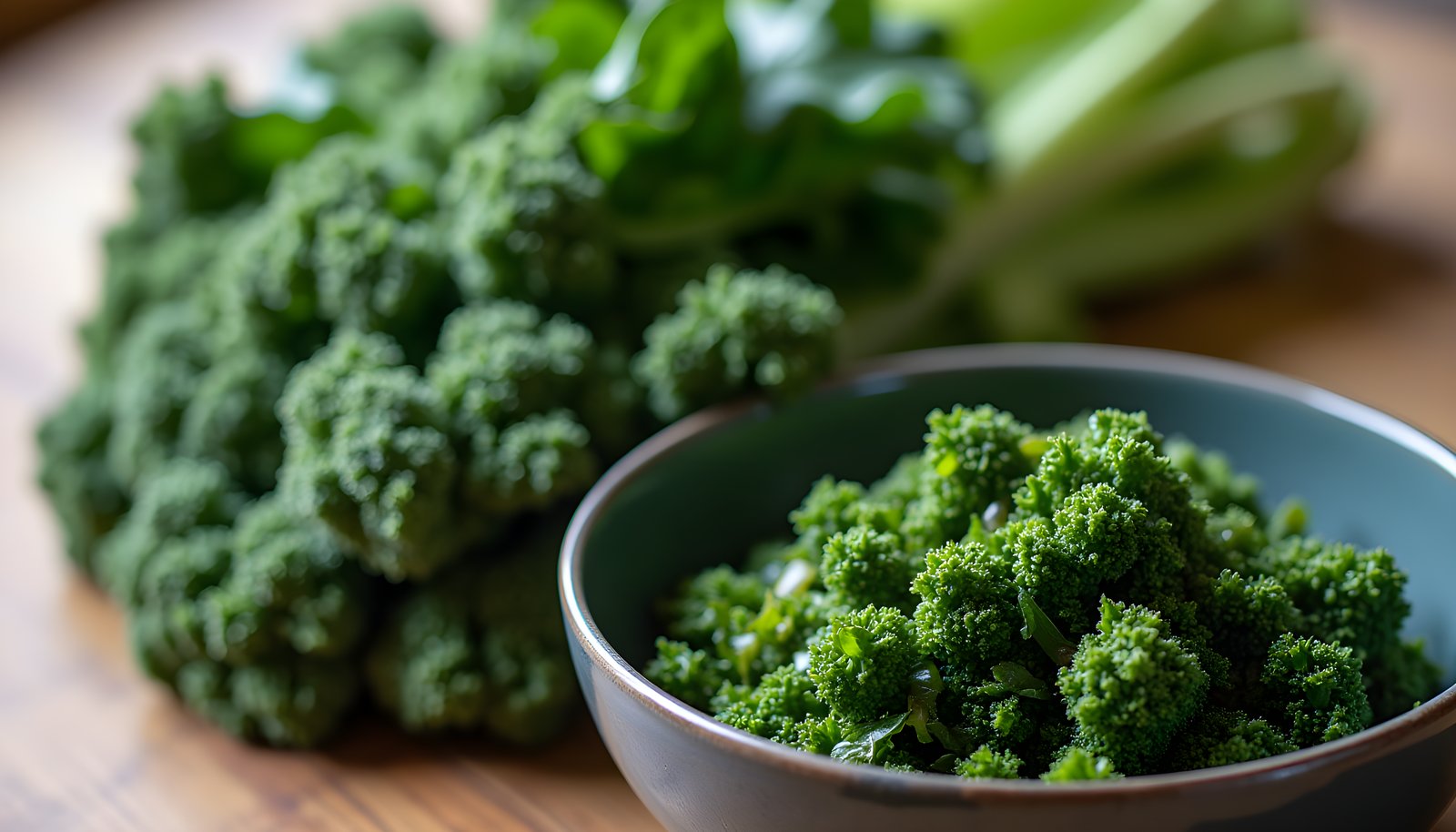
Does kale have fiber? Yes: a cup of cooked kale has about 4.7 grams, roughly 17% of the Daily Value, for just 43 calories. Raw or cooked, kale carries about 4 grams per 100 grams, and it comes with a huge dose of vitamin K.