How Much Fiber Should You Eat in a Day?

How Much Fiber Should You Eat in a Day?

Ask someone how much fiber they need, and you’ll likely get a blank stare. Most people know they should eat more. Few know the actual number.

The Official Guidelines

The Institute of Medicine recommends:

  • Women (19–50): 25 grams per day
  • Men (19–50): 38 grams per day
  • Women (51+): 21 grams per day
  • Men (51+): 30 grams per day

Pregnant and breastfeeding women may need more.

These numbers come from studies linking higher fiber intake to lower rates of heart disease, type 2 diabetes, and colorectal cancer. They’re not arbitrary — they’re rooted in decades of epidemiological data.

The Reality: Most People Eat Half

The average American eats about 15 grams per day. That’s roughly half the recommended amount for women, and under half for men.

Why? Ultra-processed foods dominate modern diets. Refined grains, sugary snacks, and convenience meals are stripped of their natural fiber during processing. Even “whole grain” labels don’t guarantee you’re getting enough — you need to check the actual fiber content.

What ‘Enough’ Actually Looks Like

To hit 25 grams, you need to be intentional:

  • Breakfast: 1 cup of oatmeal (4g) + ½ cup raspberries (4g) = 8g
  • Lunch: 2 slices whole-grain bread (4g) + ¼ avocado (3g) = 7g
  • Snack: 1 apple with skin (4g) + 1 tbsp chia seeds (4g) = 8g
  • Dinner: 1 cup cooked lentils (15g) — you’d already exceed your target

The takeaway? It’s achievable, but it doesn’t happen by accident.

Why the Gap Matters

Low fiber intake doesn’t show up overnight. It manifests as sluggish digestion, unpredictable energy, stubborn weight, and chronic inflammation. Over years, it contributes to conditions like diverticulitis, heart disease, and insulin resistance.

Fiber isn’t glamorous, but it’s foundational. It’s the nutrient that supports every other system in your body.

A Practical First Step

Don’t jump from 15g to 38g overnight — your gut needs time to adjust. Add 5g per week, drink plenty of water, and spread your intake across meals.

Use our Fiber Calculator to get your personalized daily target in seconds. It factors in age, sex, and activity level — because one size doesn’t fit all.

Facebook
Twitter
LinkedIn
WhatsApp

Most Popular This Week

1
2
3
4
5

The Best Fiber Supplements of 2026: 6 Top Picks, Tested & Ranked

How Much Fiber Is in an Apple?

The Best Fiber Supplements of 2026: 6 Top Picks, Tested & Ranked

How Much Fiber Is in a Banana?

How Fiber Actually Improves Your Gut Health (The Science)

“The 30-day reset finally gave me predictable digestion. I’d tried everything — this was the first thing that explained why.“

Sarah K.
Joined Mar 2026 · 2,840 students

The 30-Day Gut Reset Protocol

$49

$79

ADVERTISEMENT
300* 250
Recipe Book

60 High-Fiber Recipes Vol. 1

The Weekly Fiber Digest

New articles and research roundups, every Thursday.
No spam. Unsubscribe anytime.

You May Also Like

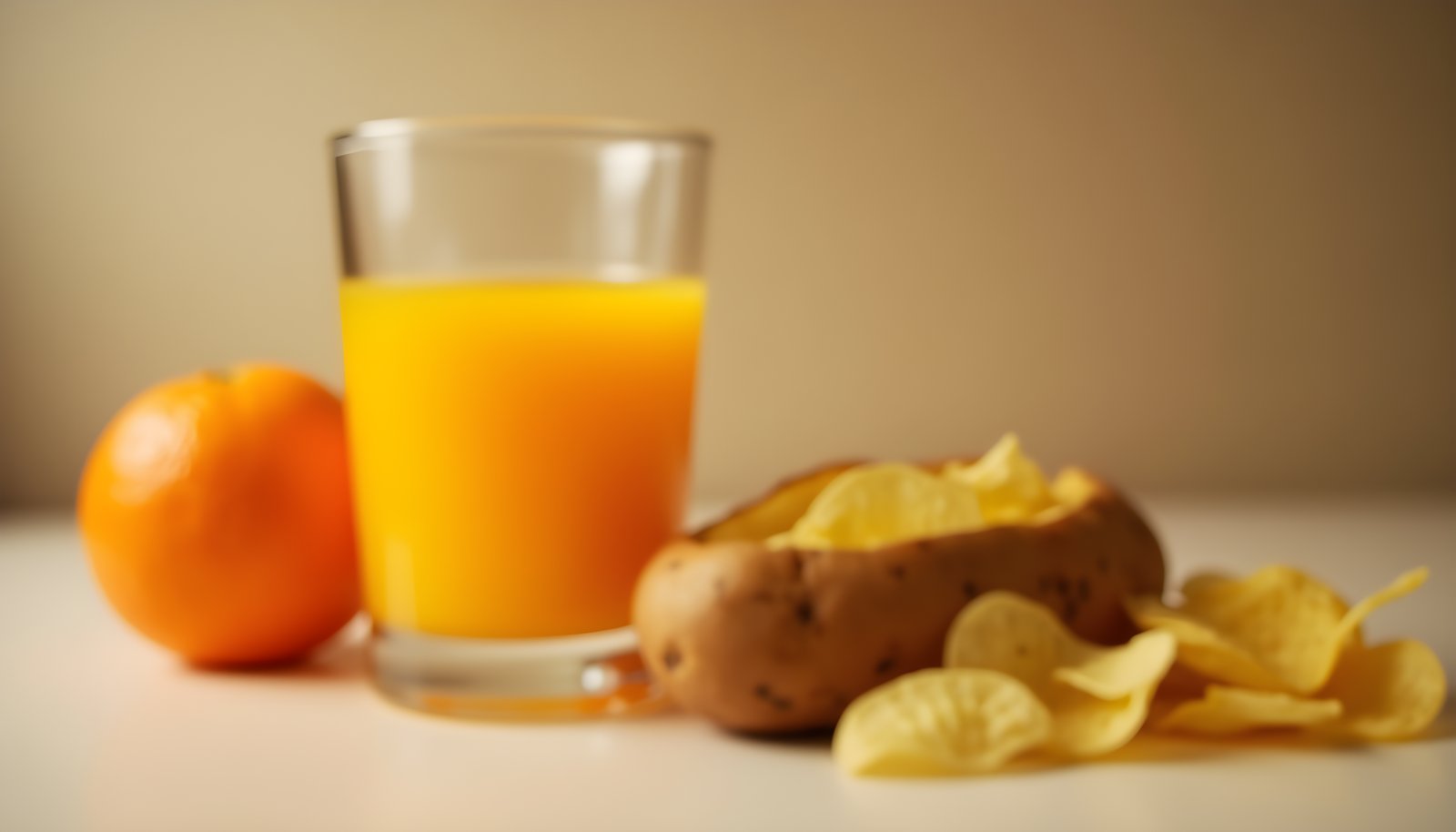
Whole vs processed food fiber shown with a whole orange beside orange juice and a baked potato beside potato chips
In a whole vs processed foods fiber comparison, whole foods win at almost every swap: an apple has about 10 times the fiber of a cup of apple juice, and US diets highest in ultra-processed foods carry about 30% less fiber per calorie. Even when fiber is matched, an NIH trial found people ate about 500 more calories a day on an ultra-processed diet.
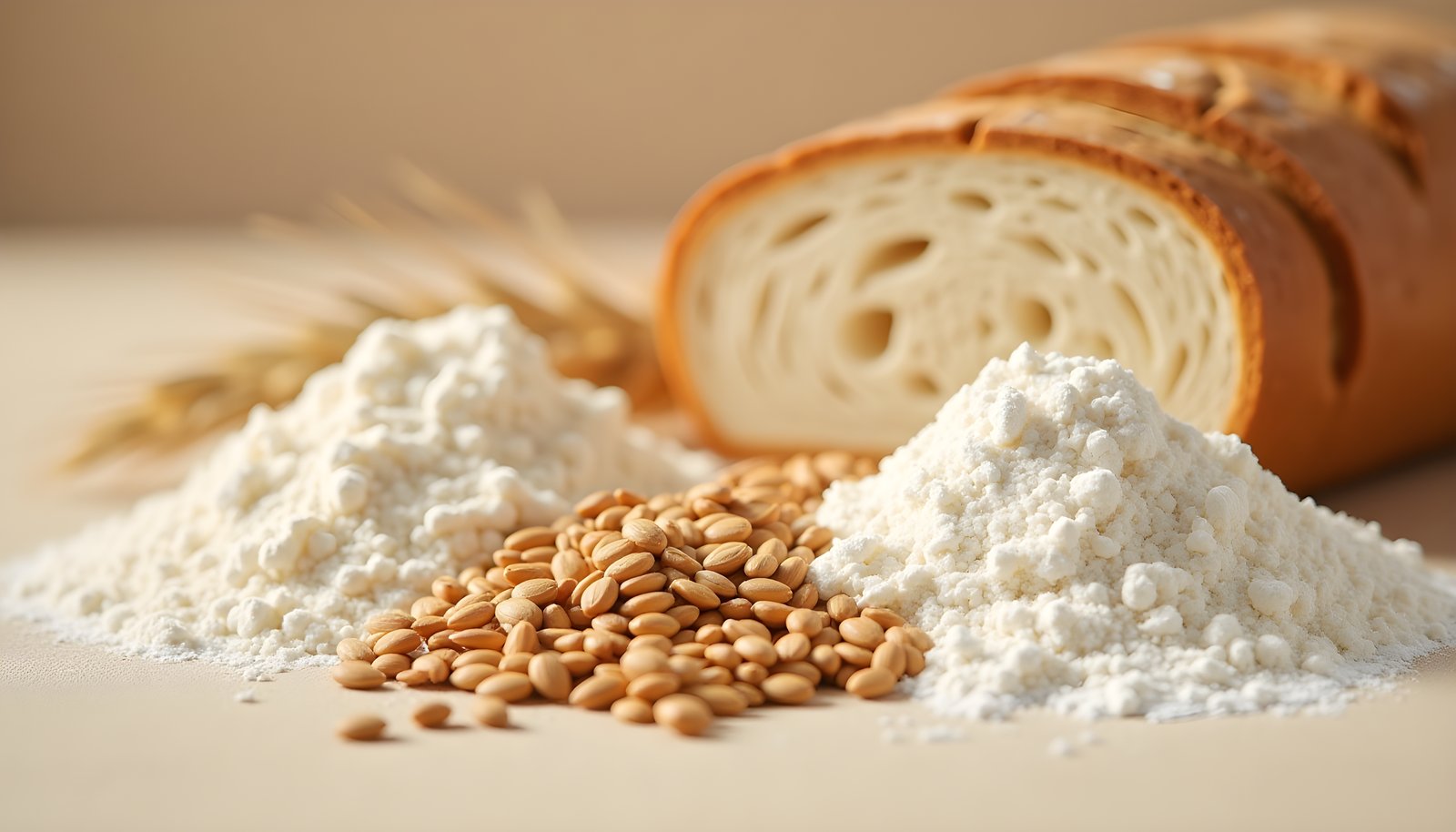
Food processing and fiber shown with whole wheat grains between piles of white flour, with a sliced loaf of bread
Sometimes, but it depends on the step: food processing fiber loss is large when milling, juicing or peeling removes part of the plant, and small when food is only cooked, canned or frozen. Refining wheat strips out virtually all of its fiber, while canned pumpkin actually has more fiber per gram than fresh.
Reheating food and fiber shown with a steaming red pot of vegetable and bean stew warming on a wooden kitchen table
Reheating food fiber losses are small: a second round of heat doesn’t strip fiber from leftovers, and the main effect of heat is a gradual breakdown of fiber chains that depends on how harsh the cooking is. Chilled and reheated pasta and potatoes can even end up with more resistant starch than when they were fresh.
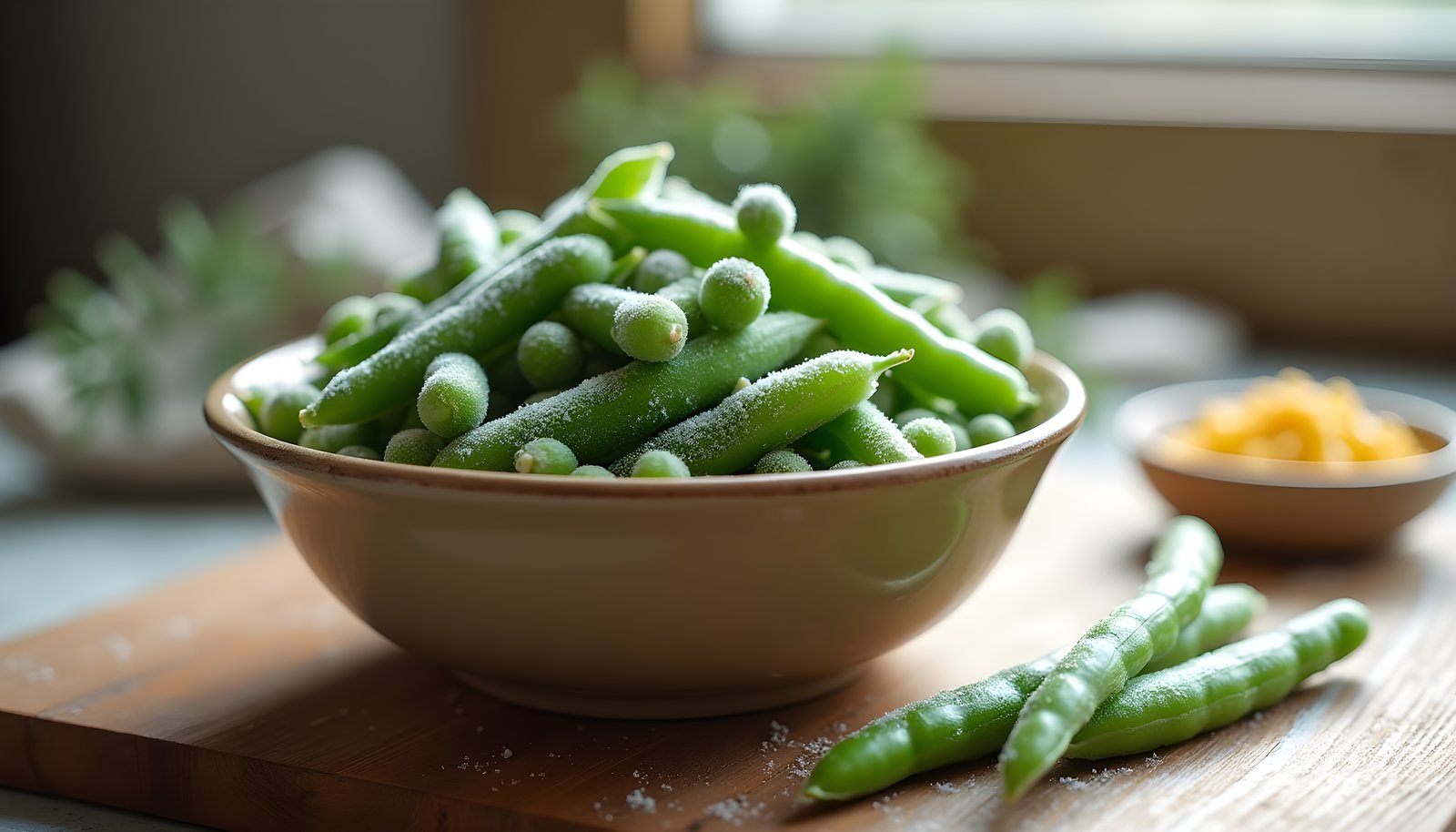
Freezing food fiber shown with a bowl of frost-covered green beans and peas, loose frozen beans and a small dish of corn
Freezing food fiber barely changes: studies of frozen corn, peas and beans found no significant change in soluble, insoluble or total fiber. What the freezer does change is texture, and over many months some vitamin C, so the fiber in your frozen food is about what it was on the day it went in.
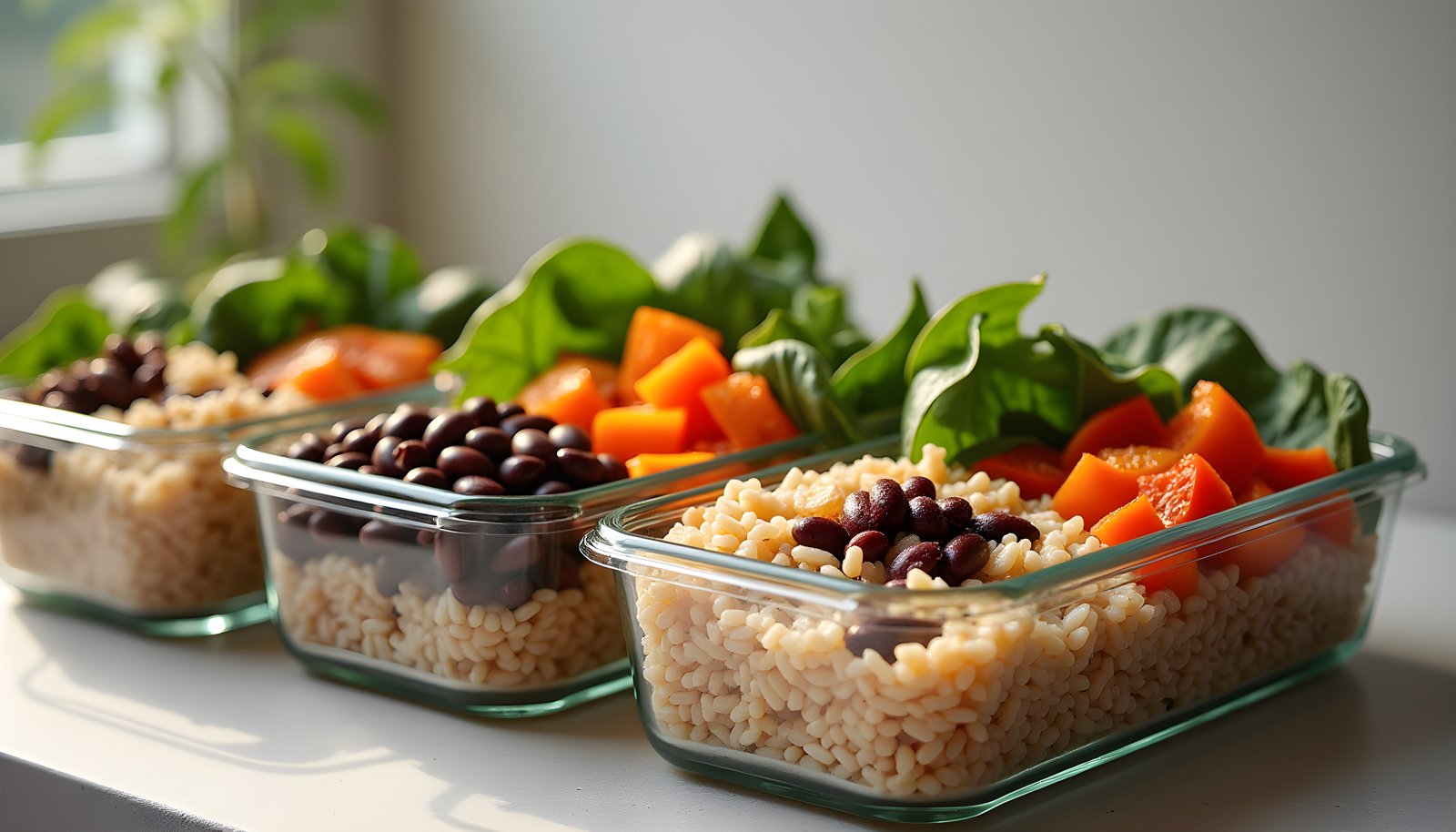
Meal prep fiber shown with glass containers of brown rice, black beans, roasted carrots and fresh spinach leaves
Good news for meal prep fiber retention: fiber holds up well in the fridge and freezer, and research on stored produce finds minimal change for intact fruits and vegetables. The bigger losses come from peeling and trimming during prep, while chilling and reheating starchy foods like rice can actually add resistant starch.
A no-jargon explainer on soluble vs insoluble, prebiotic, and resistant starch.