Fiber + Legumes & Beans with Fiber

Lentils, chickpeas, black beans and split peas are some of the richest fiber sources on the planet. Compare them side by side and find easy ways to cook and enjoy them.

Fiber + Legumes & Beans with Fiber

Lentils, chickpeas, black beans and split peas are some of the richest fiber sources on the planet. Compare them side by side and find easy ways to cook and enjoy them.

Browse Topics
No data was found
Calculator icon

How Much Fiber Do You Actually Need?

Most people have no idea. Enter your age, gender, and activity level — get your personalized daily target in seconds.

Legumes & Beans with Fiber Basics

If you’re new here, these three are the place to start — the foundations everything else builds on.

Start Here
A no-jargon explainer on soluble vs insoluble, prebiotic, and resistant starch.
Essential
The official guidelines, why most people miss them, and what ‘enough’ actually looks like.
Essential
What it is, why it matters, and the 5 things that influence it most.

Latest in Legumes & Beans with Fiber

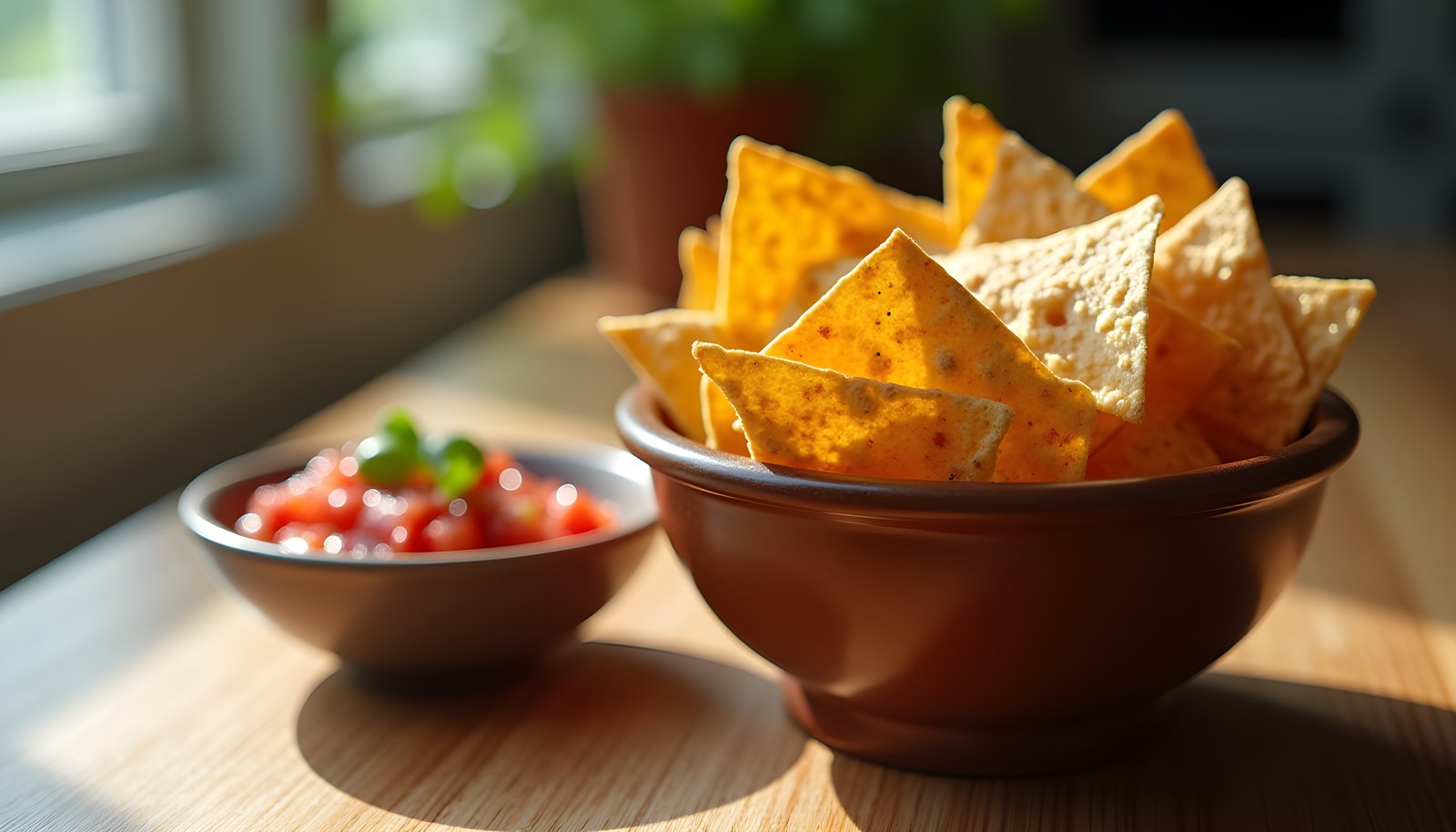
Bean chip fiber shown with a bowl of crunchy bean tortilla chips beside a small bowl of fresh red tomato salsa
Legumes & Beans with Fiber
Bean chips fiber runs about 5 to 6 grams per ounce in brands like Beanitos and Beanfields, three to four times what tortilla chips provide. The calories and fat land close to regular chips, so the win is fiber and protein, not a lighter snack.
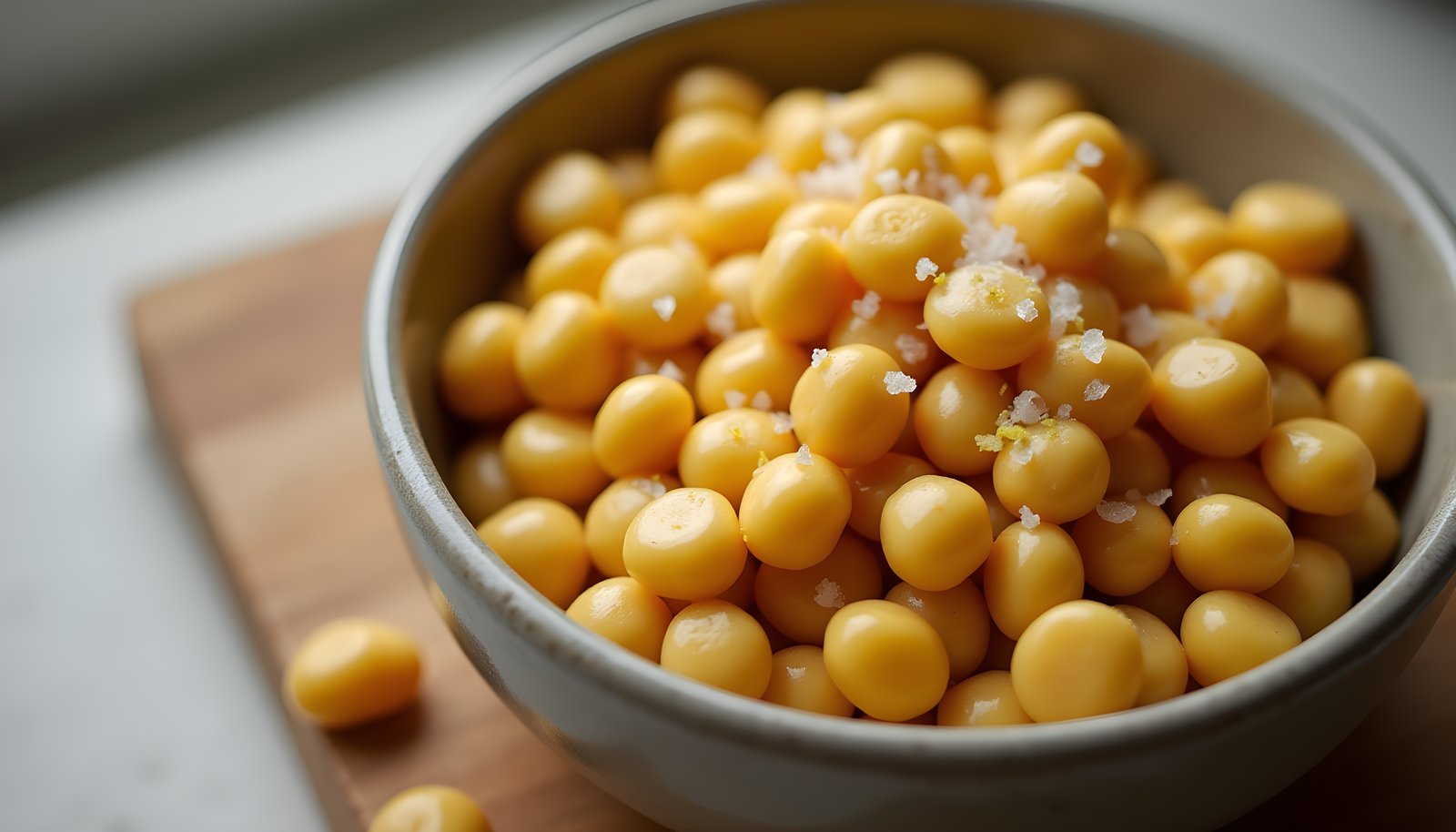
Lupini bean snack fiber shown with a bowl of round yellow lupini beans sprinkled with sea salt on a wooden cutting board
Legumes & Beans with Fiber
Lupini bean snacks fiber ranges from 1 to 7 grams per serving depending on the brand, a sevenfold spread for nearly the same bean. Brami’s ready to eat packs list 7 grams of fiber and 7 grams of protein for 60 calories.
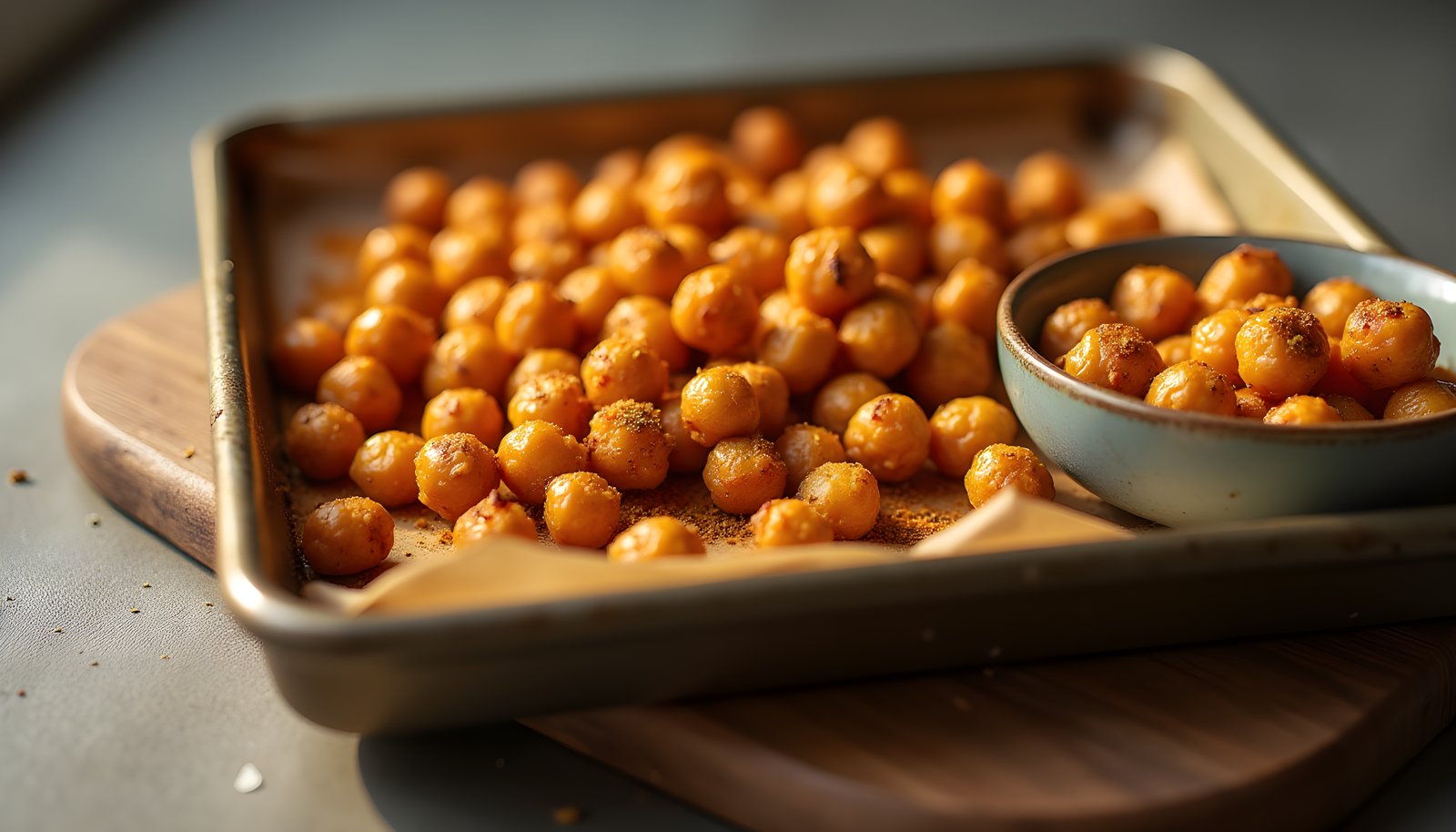
Roasted chickpea fiber shown with a baking tray of crunchy spiced roasted chickpeas and a small bowl of them on the side
Legumes & Beans with Fiber
Roasted chickpeas fiber comes to about 5 grams per ounce in plain, salted versions, nearly six times what the same ounce of potato chips provides. Sweet coatings like honey can cut that to 2 grams, so the flavor you pick matters.
Falafel fiber shown with crispy golden falafel on a plate, one broken open to show a green herb center, and tahini sauce
Legumes & Beans with Fiber
Falafel fiber ranges from under 1 gram in a small fried restaurant patty to about 7 grams in a serving of baked store bought falafel. The chickpeas supply the fiber, while frying adds fat that lowers the fiber you get per calorie.
Hummus fiber shown with a plate of swirled hummus drizzled with olive oil and paprika beside cucumber slices and pita
Legumes & Beans with Fiber
Hummus fiber comes to about 1.8 grams in two tablespoons by USDA’s lab analysis, even though many tub labels list just 1 gram. The fiber comes almost entirely from the chickpeas, so the recipe, not the flavor, decides how much you get.
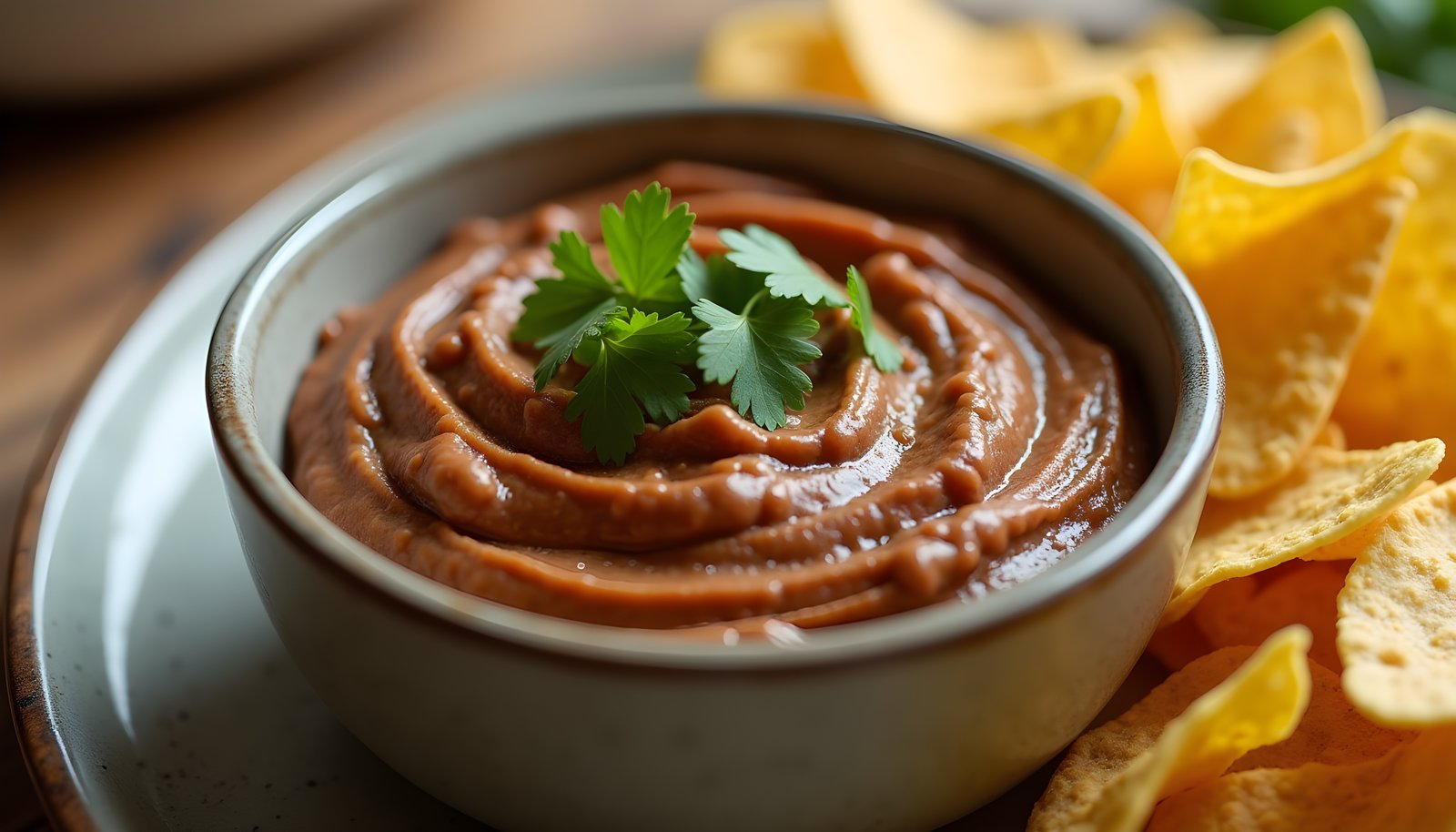
Refried bean fiber shown with a bowl of smooth swirled refried beans topped with fresh cilantro beside golden tortilla chips
Legumes & Beans with Fiber
Refried beans fiber ranges from about 3 to 6 grams per half cup in canned brands, and the fat free cans often carry the most. Mashing the beans doesn’t remove fiber, but added water, lard and salt change what each spoonful delivers.
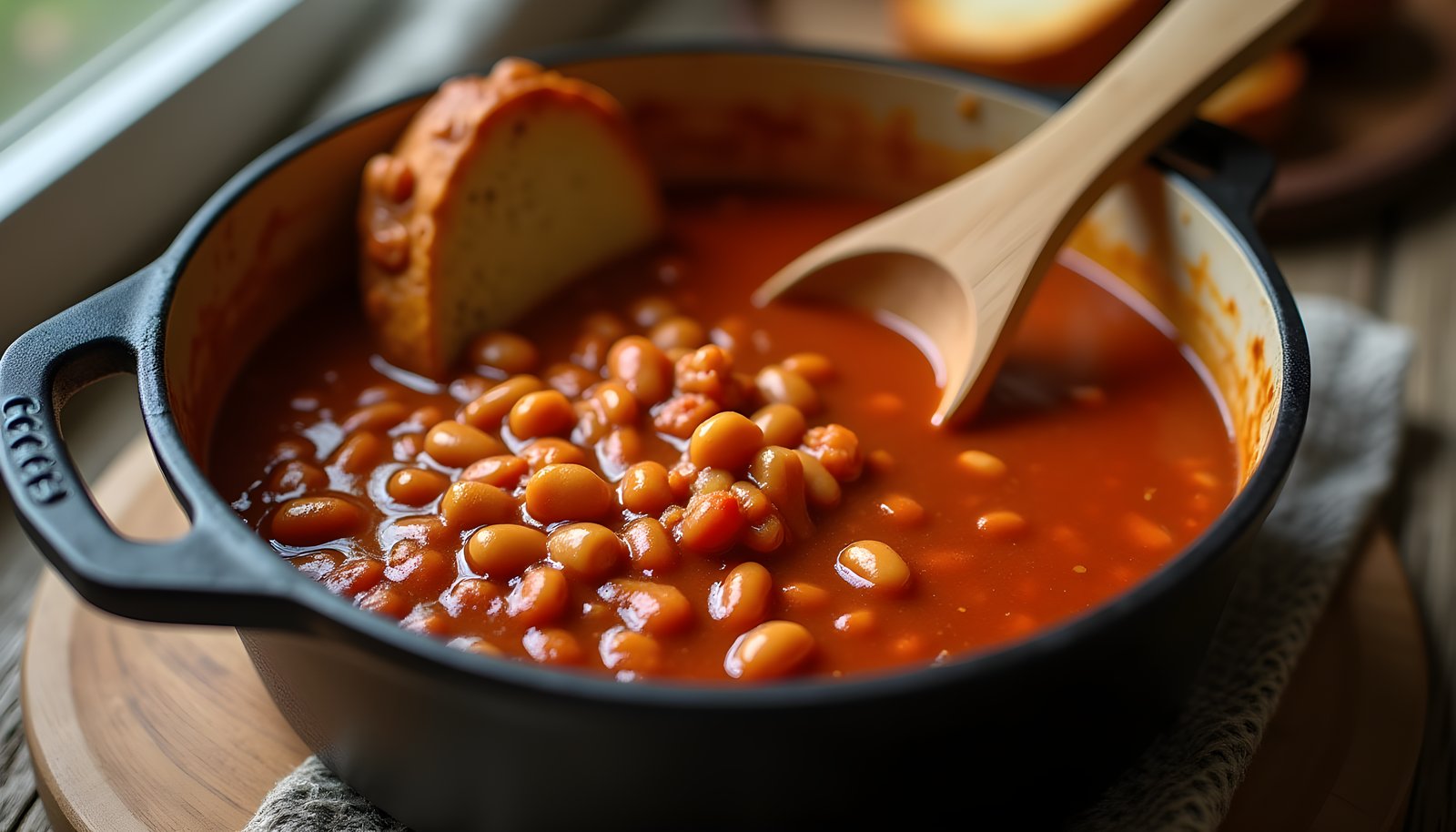
Baked bean fiber shown with a cast iron pot of baked beans in thick tomato sauce with a wooden spoon and a slice of toast
Legumes & Beans with Fiber
Baked beans fiber comes to about 5 grams per half cup in most canned brands, nearly a fifth of the Daily Value. That is less than plain navy beans because the sweet sauce takes up part of every spoonful, and it usually brings 11 grams of added sugar along.
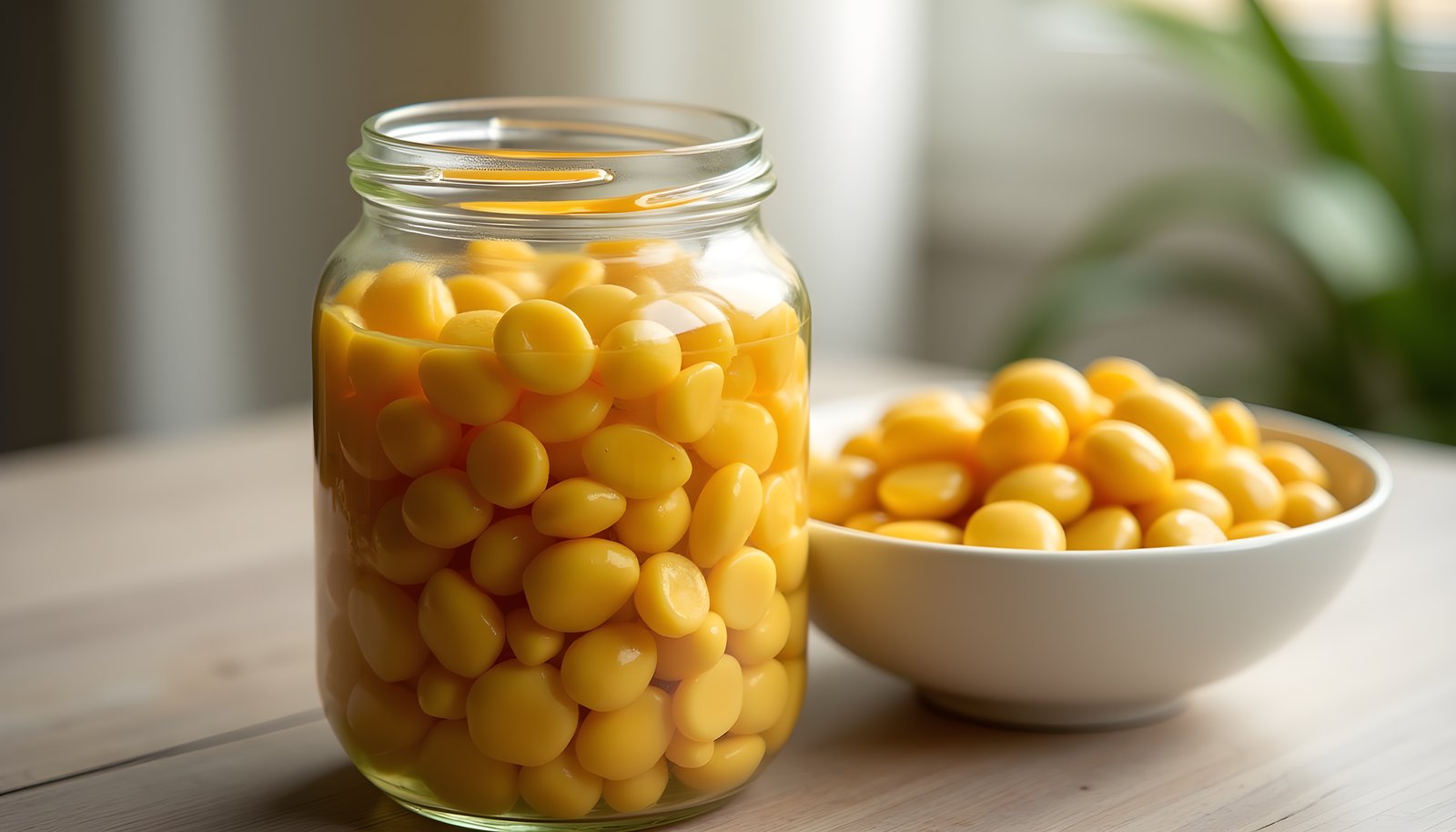
Lupini bean fiber shown with a glass jar of round yellow lupini beans in brine beside a white bowl of lupini beans
Legumes & Beans with Fiber
Lupini beans fiber ranges from about 4.7 grams per cooked cup in USDA FoodData Central to about 7.8 grams per half cup in the Dietary Guidelines table. Either way, lupini bring about 26 grams of protein per cup, the most per calorie of any common bean.
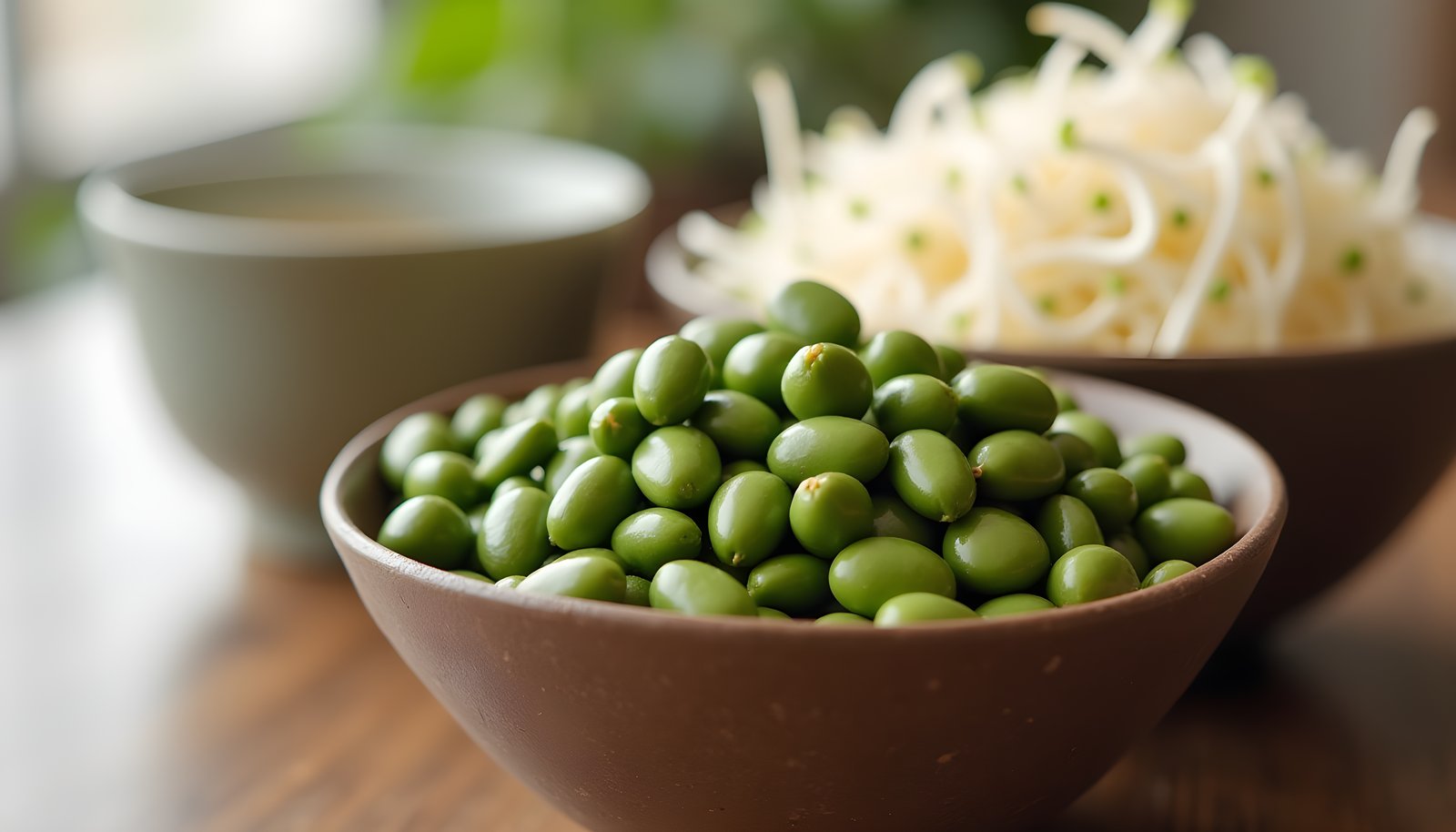
Mung bean fiber shown with a bowl of green mung beans in front of a bowl of fresh white mung bean sprouts on a table
Legumes & Beans with Fiber
Mung beans fiber comes to about 15 grams per cooked cup, more than half the Daily Value, for just 212 calories. Mung bean sprouts are a different story, with under 2 grams per cup, so the form you eat changes everything.
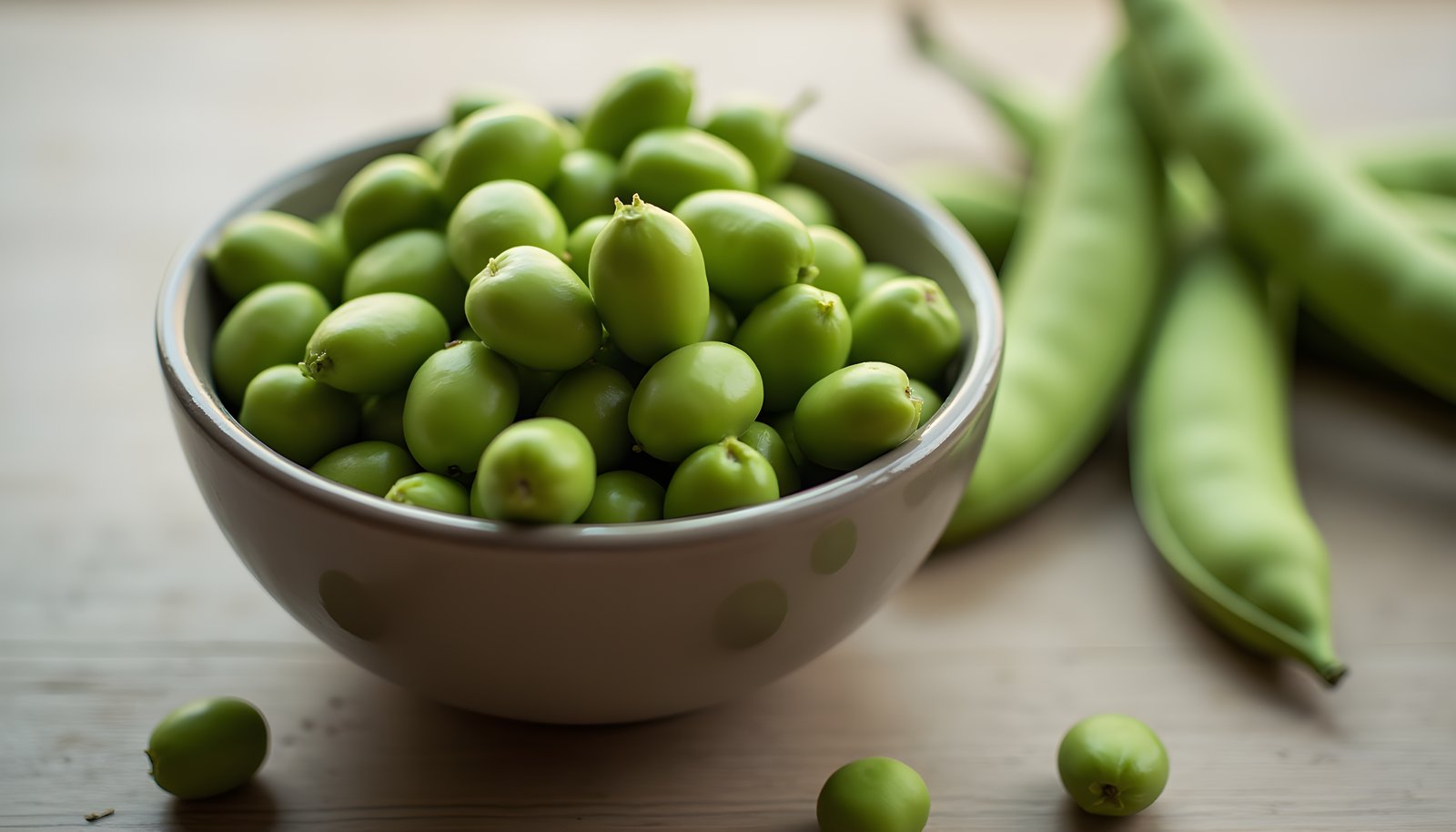
Fava bean fiber shown with a bowl of bright green shelled fava beans beside long fresh fava pods on a wooden table
Legumes & Beans with Fiber
Fava beans fiber comes to about 9 grams per cooked cup, a little less than most dried beans. The twist is the calories: at about 187 per cup, favas are among the lightest legumes you can eat, with 13 grams of protein in the same serving.


Free · 7-day starter guide

Get our Gut Reset Quick-Start when you subscribe

Join 47,000 readers getting the Weekly Fiber Digest — research roundups, recipes, and discounts every Thursday.

No spam. Unsubscribe anytime.

Top-Selling Mini Guides

A course, a recipe book, and our top-rated supplement — built for this topic.

30-Day Gut Reset

$49

$79

Bloating Solved in 14 Days

$39

$59

Build Your Microbiome

$53

$89

You May Also Like

Browse Legumes & Beans with Fiber Articles

Most Popular This Week

1
2
3
4
5

The Best Fiber Supplements of 2026: 6 Top Picks, Tested & Ranked

How Much Fiber Is in an Apple?

The Best Fiber Supplements of 2026: 6 Top Picks, Tested & Ranked

How Much Fiber Is in a Banana?

How Fiber Actually Improves Your Gut Health (The Science)

“The 30-day reset finally gave me predictable digestion. I’d tried everything — this was the first thing that explained why.“

Sarah K.
Joined Mar 2026 · 2,840 students

The 30-Day Gut Reset Protocol

$49

$79

ADVERTISEMENT
300* 250
Recipe Book

60 High-Fiber Recipes Vol. 1

Advertisement
300 × 600

The Weekly Fiber Digest

New articles and research roundups, every Thursday.
No spam. Unsubscribe anytime.