Discover the most popular fiber articles this week. From gut health to weight loss, these trending reads are backed by science and chosen by our community.
How Much Fiber Do You Actually Need?
Most people have no idea. Enter your age, gender, and activity level — get your personalized daily target in seconds.
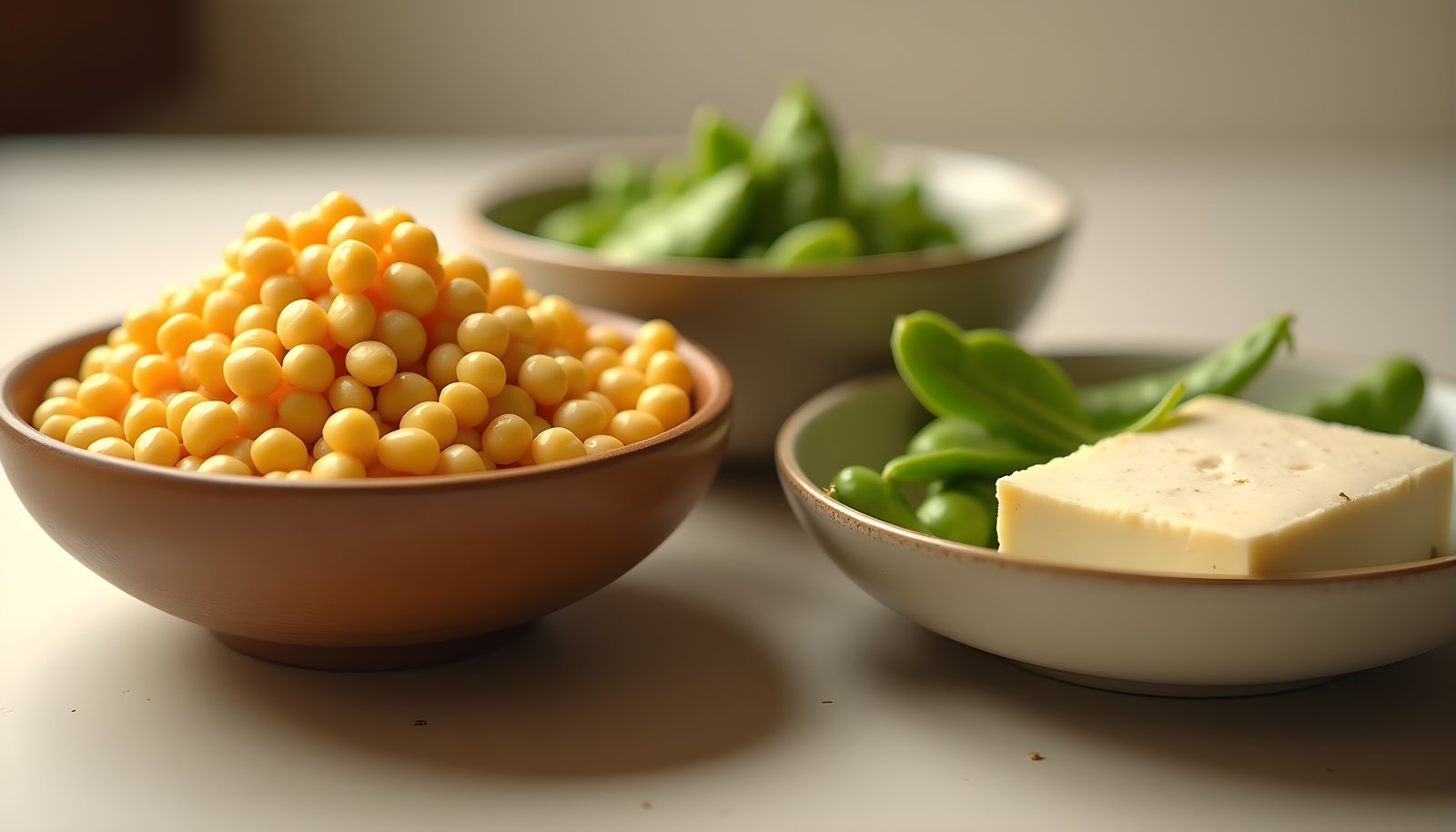
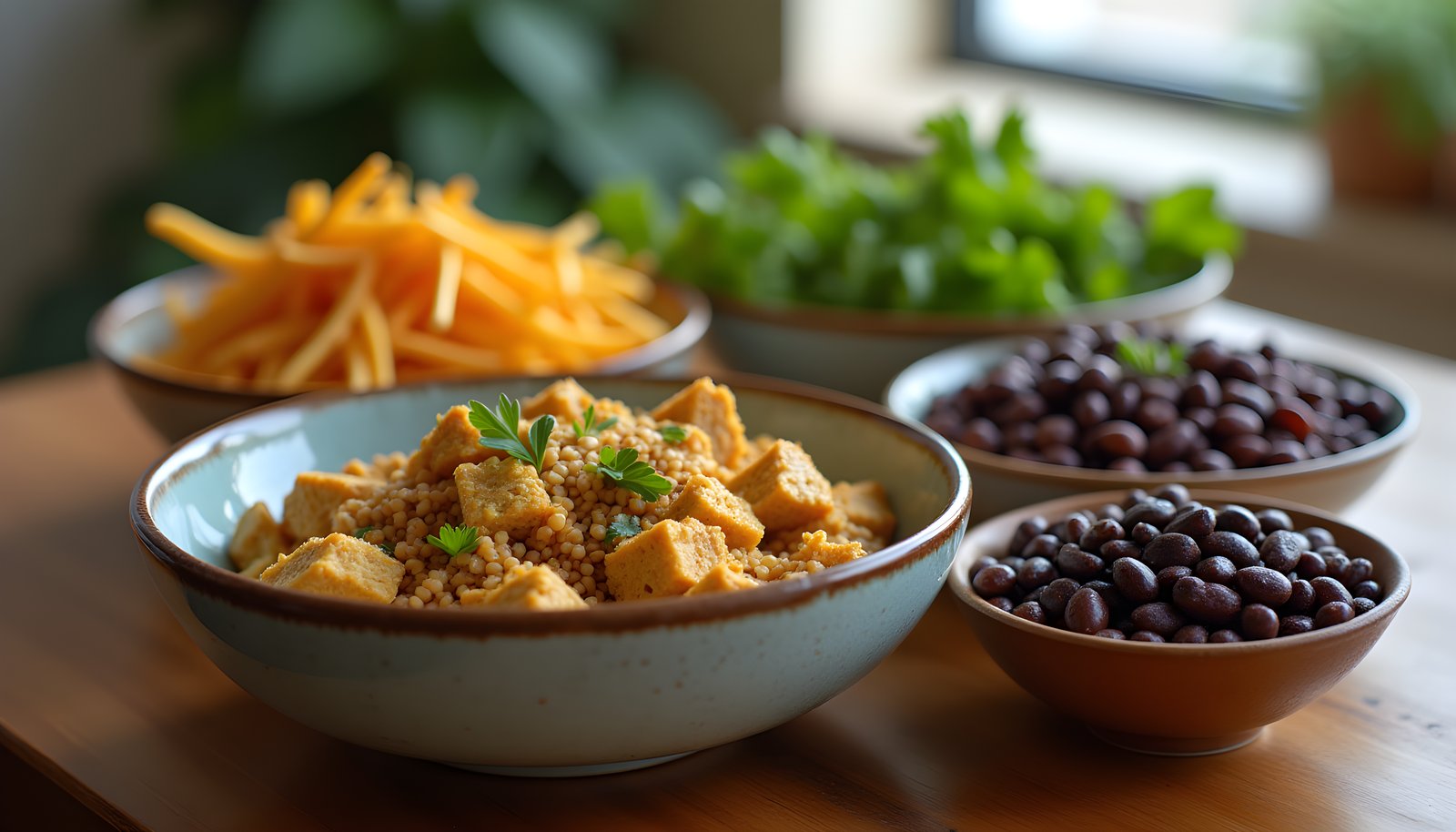
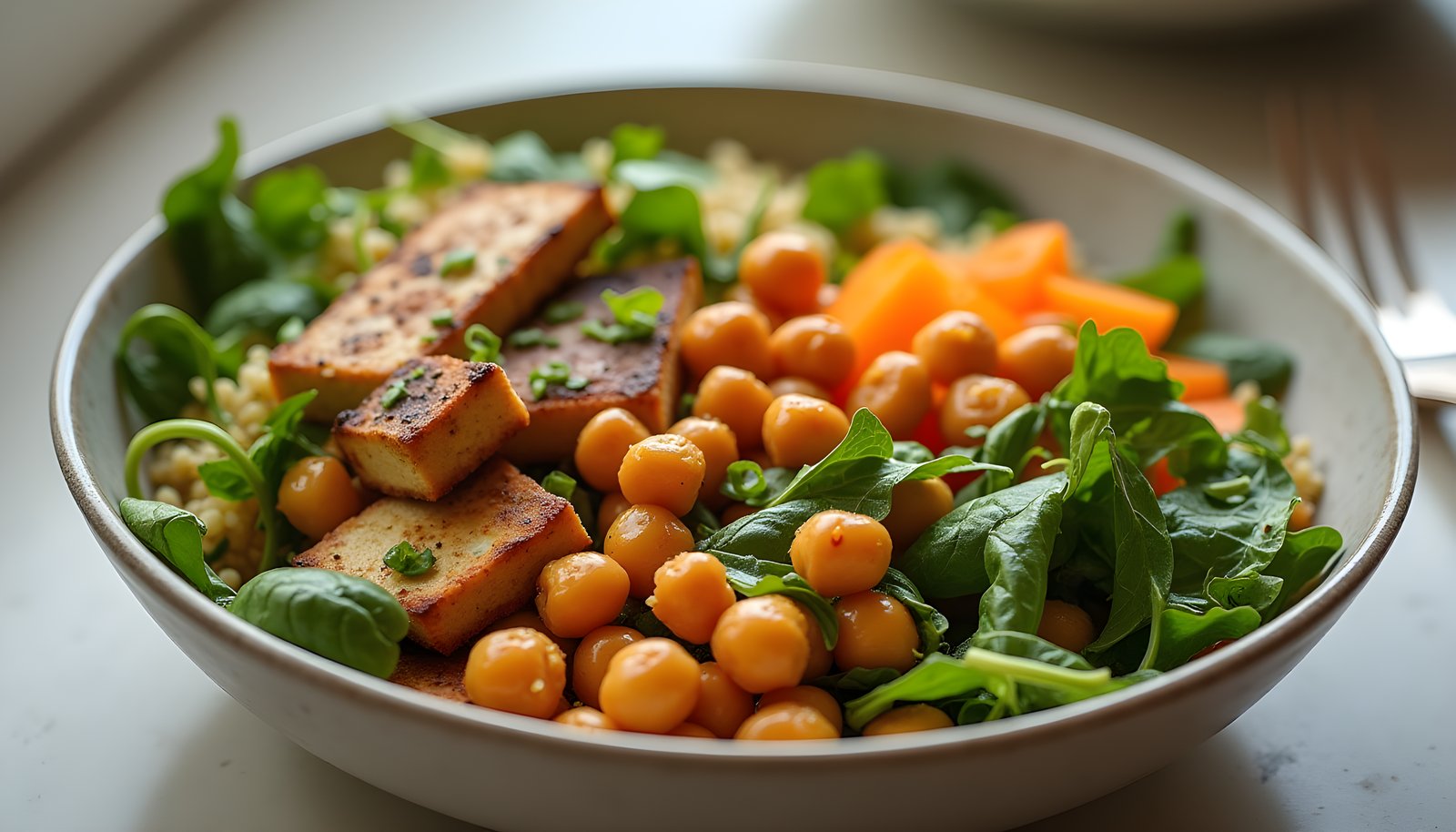
Beans, lentils and split peas are the vegan proteins highest in fiber, with 26 to 30 grams of fiber in every 30 gram serving of protein. Tofu, tempeh and seitan bring the same protein with little or no fiber, and the best vegan protein fiber plan uses both.
The best high fiber protein for weight loss comes from lentils, split peas, edamame and beans, which pack 12 to 15 combined grams of protein and fiber into every 100 calories. In trials, about one serving of pulses a day led to modest weight loss even without a calorie target.
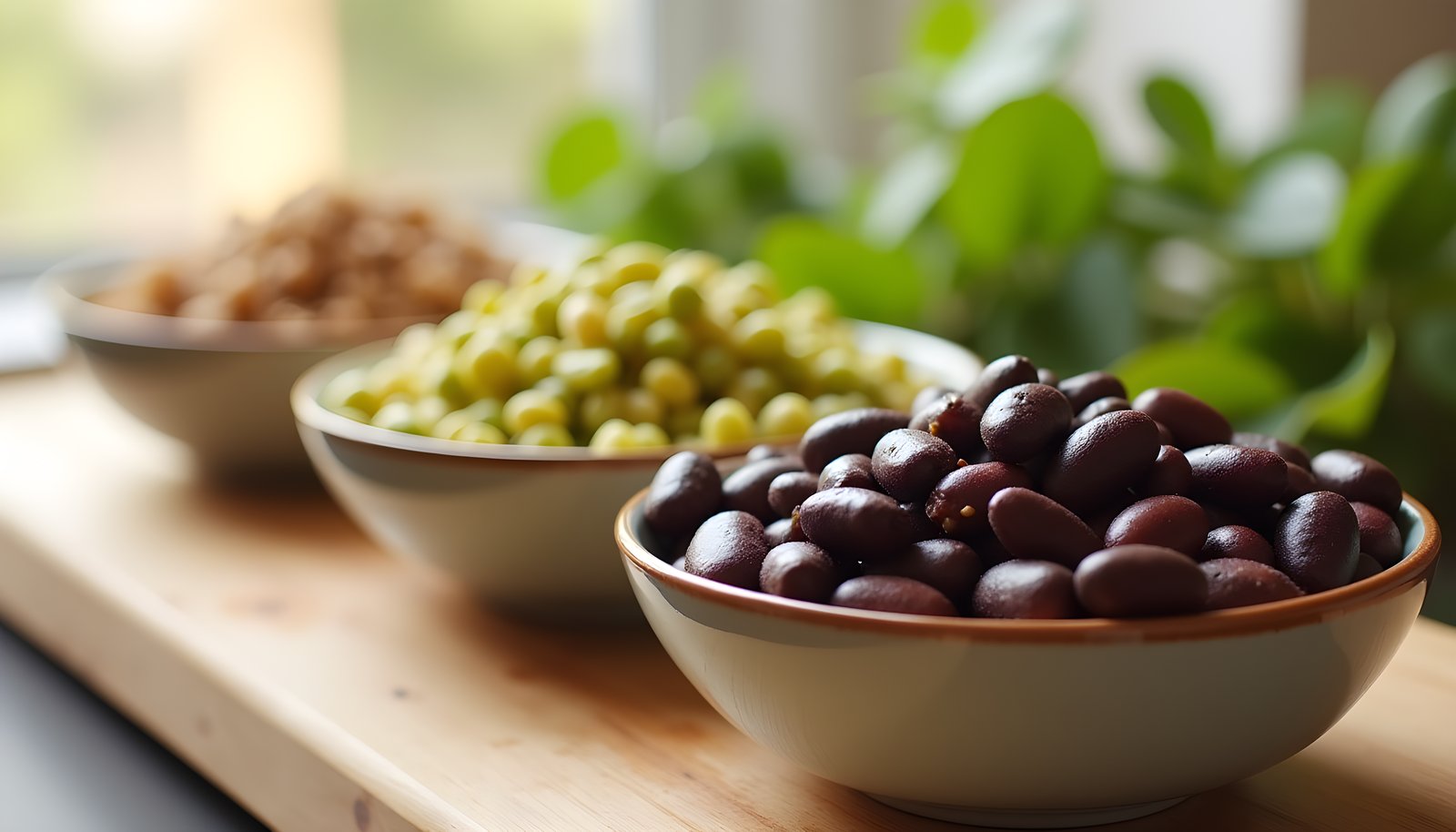
The protein foods with fiber are all plants: split peas, black beans, lentils and chickpeas bring 17 to 20 grams of fiber for every 20 grams of protein. Meat, fish, eggs and dairy bring none, so the best plate pairs the two.
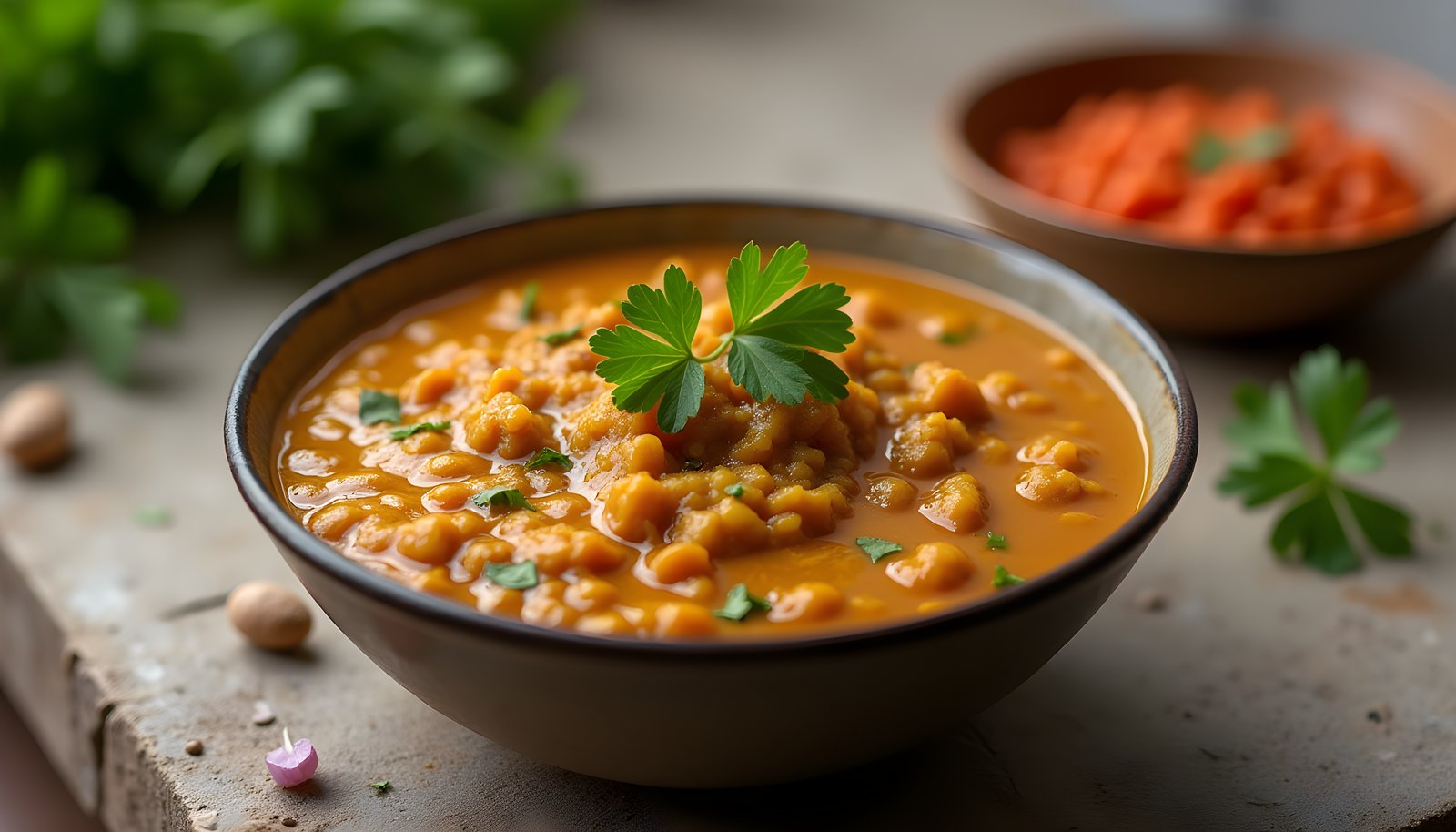
Lentils fiber content is about 15.6 grams per cooked cup, alongside roughly 18 grams of protein, so you get nearly a gram of fiber for every gram of protein. Few foods match that pairing for so few calories.
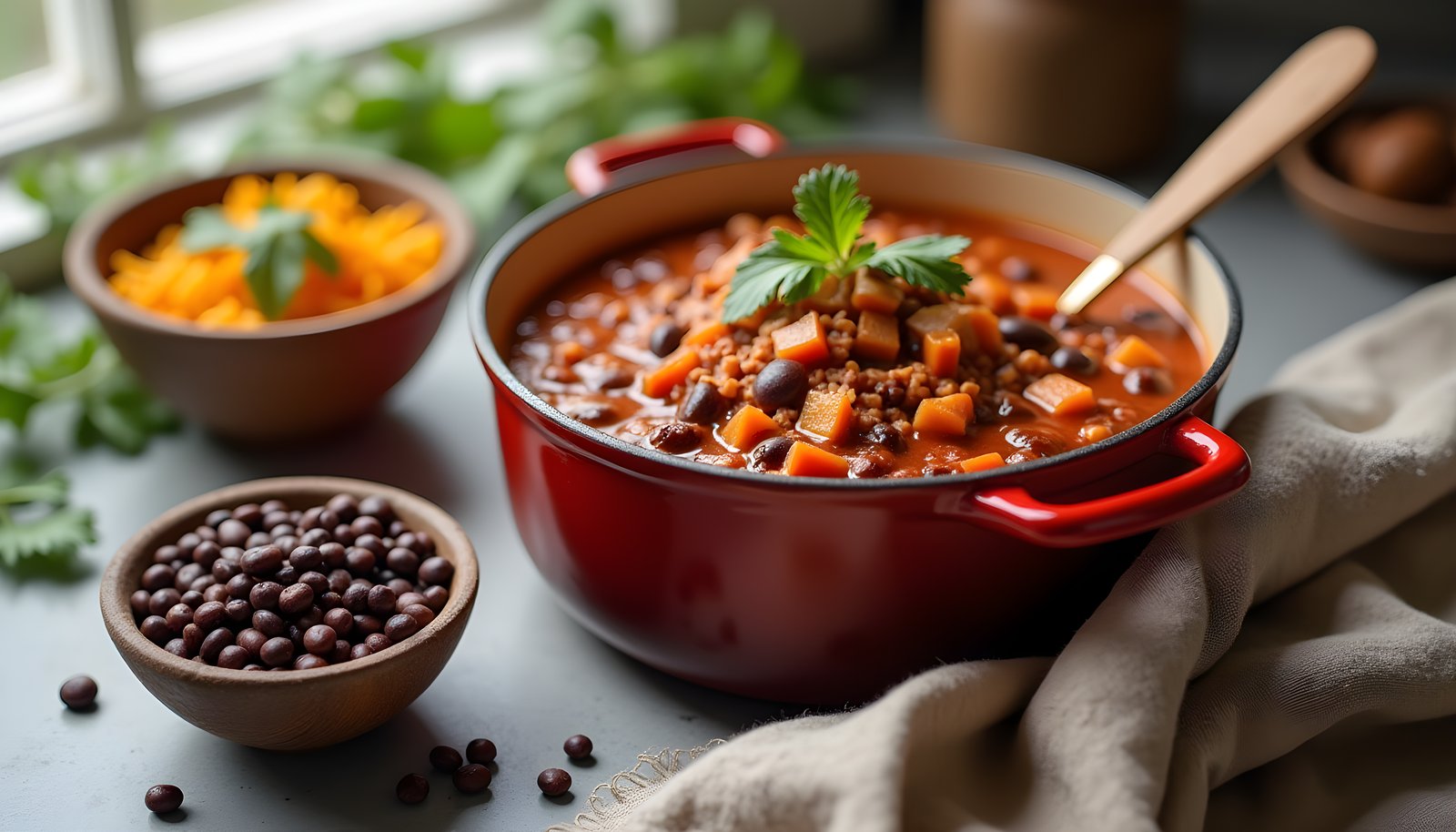
Beans fiber content runs about 11 to 19 grams per cooked cup, with roughly 15 grams of plant protein in every type. Half a cup a day adds 5.5 to 9.5 grams of fiber and beats the weekly bean target in the U.S. Dietary Guidelines.
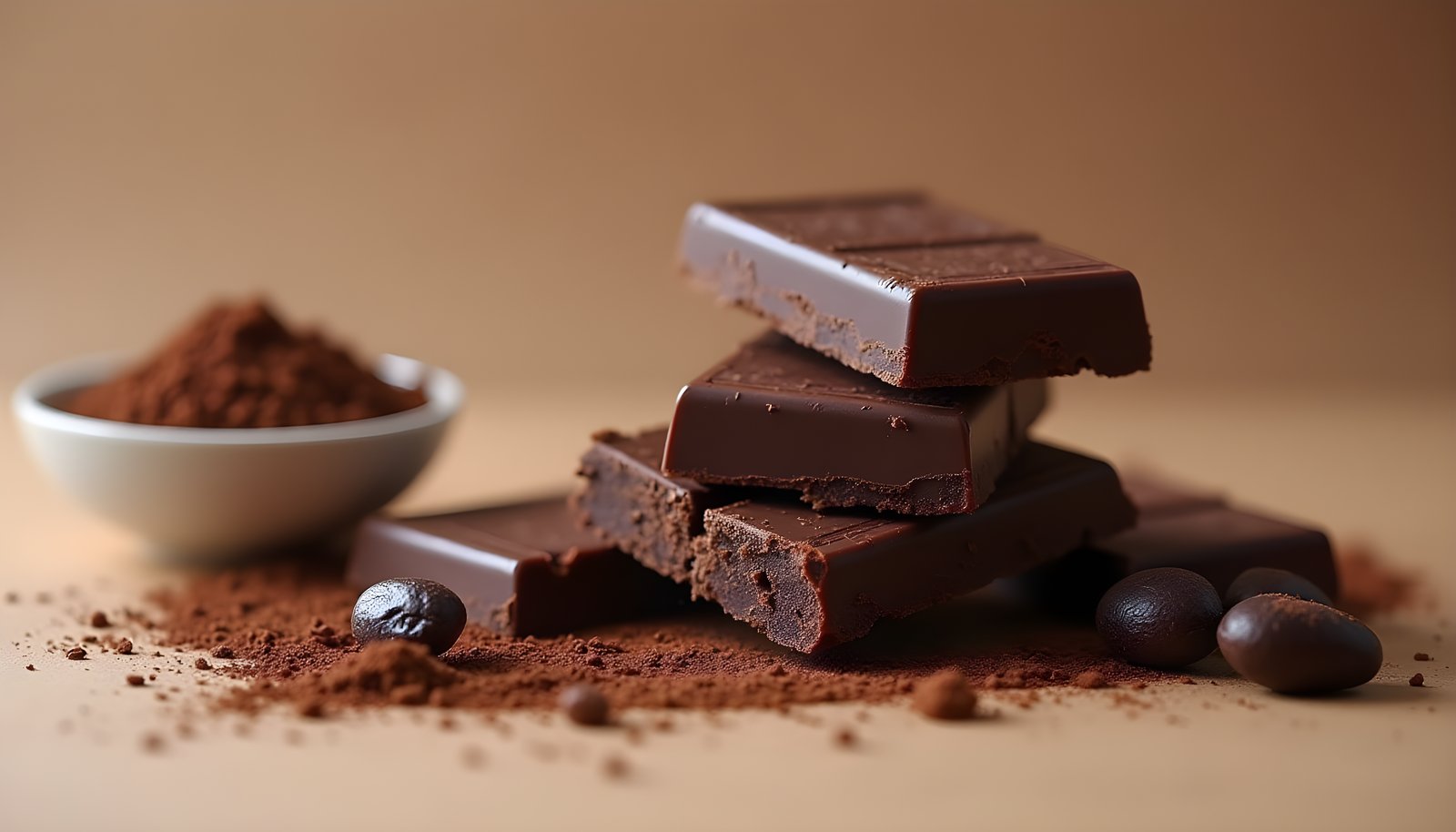
Dark chocolate fiber climbs with the cacao percentage: an ounce of 70 to 85% dark chocolate has about 3.1 grams, triple what milk chocolate gives you. White chocolate has almost none, so the number on the wrapper is the best fiber clue you have.
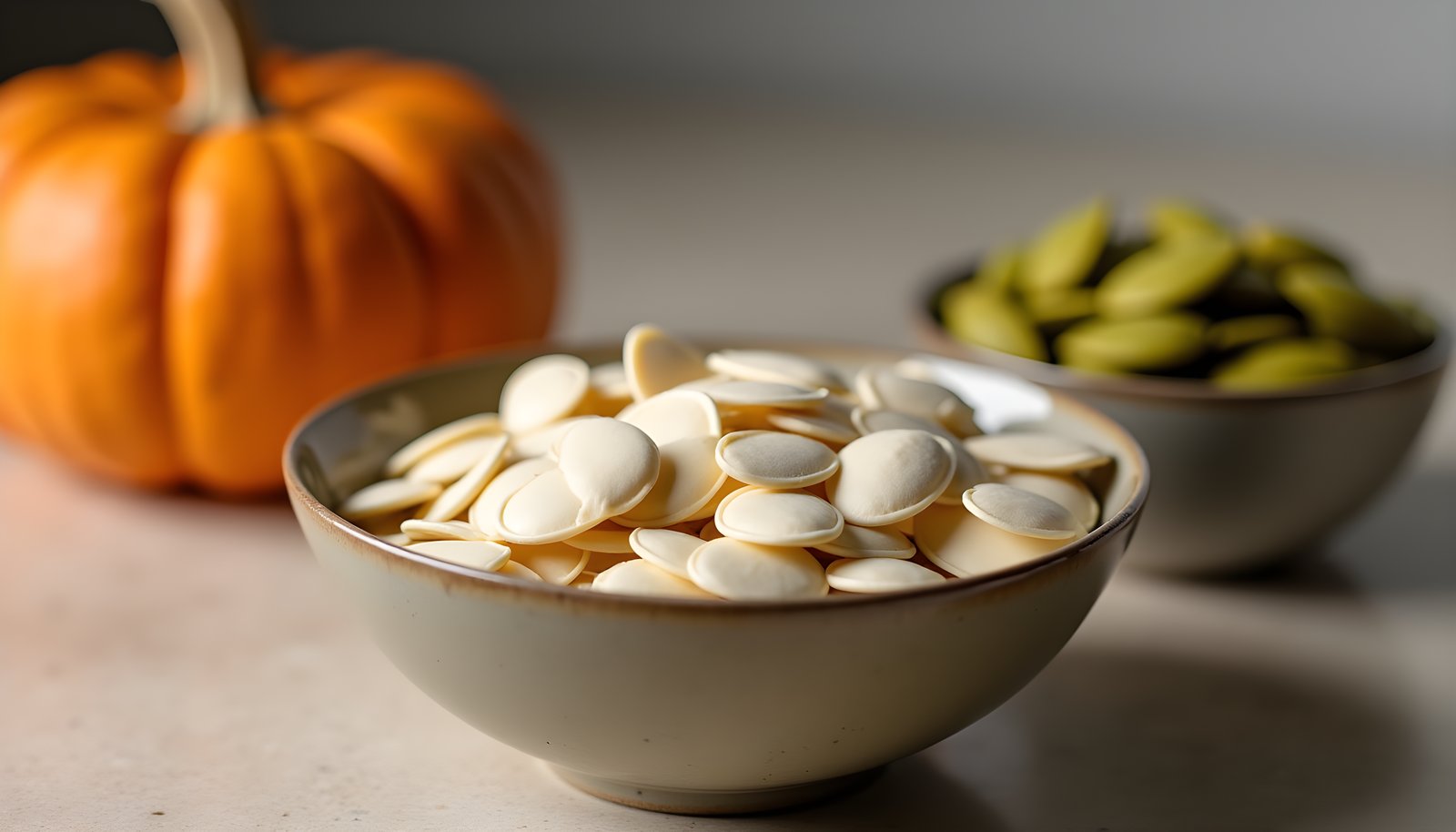
Pumpkin seeds fiber depends on the shell: an ounce of shelled pepitas has about 1.7 grams, while an ounce of whole roasted seeds has about 5.2 grams. Either way, pumpkin seeds are one of the richest food sources of magnesium and a solid source of zinc.
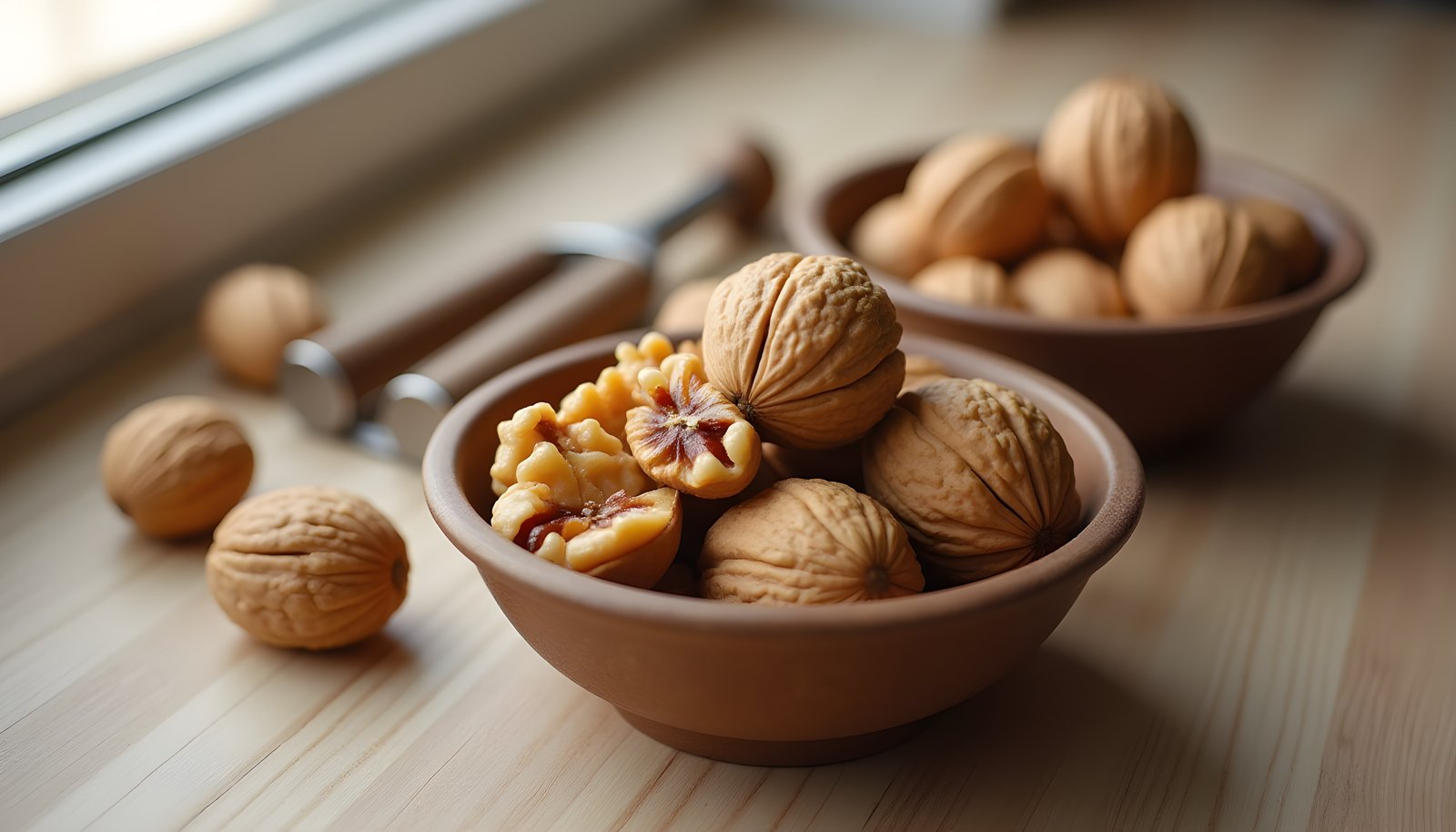
Walnuts fiber content is about 1.9 grams per ounce, less than almonds, pistachios or pecans. Walnuts earn their superfood status from plant omega-3s instead, with one ounce covering more than a full day’s ALA, while the brain health evidence is still mixed.
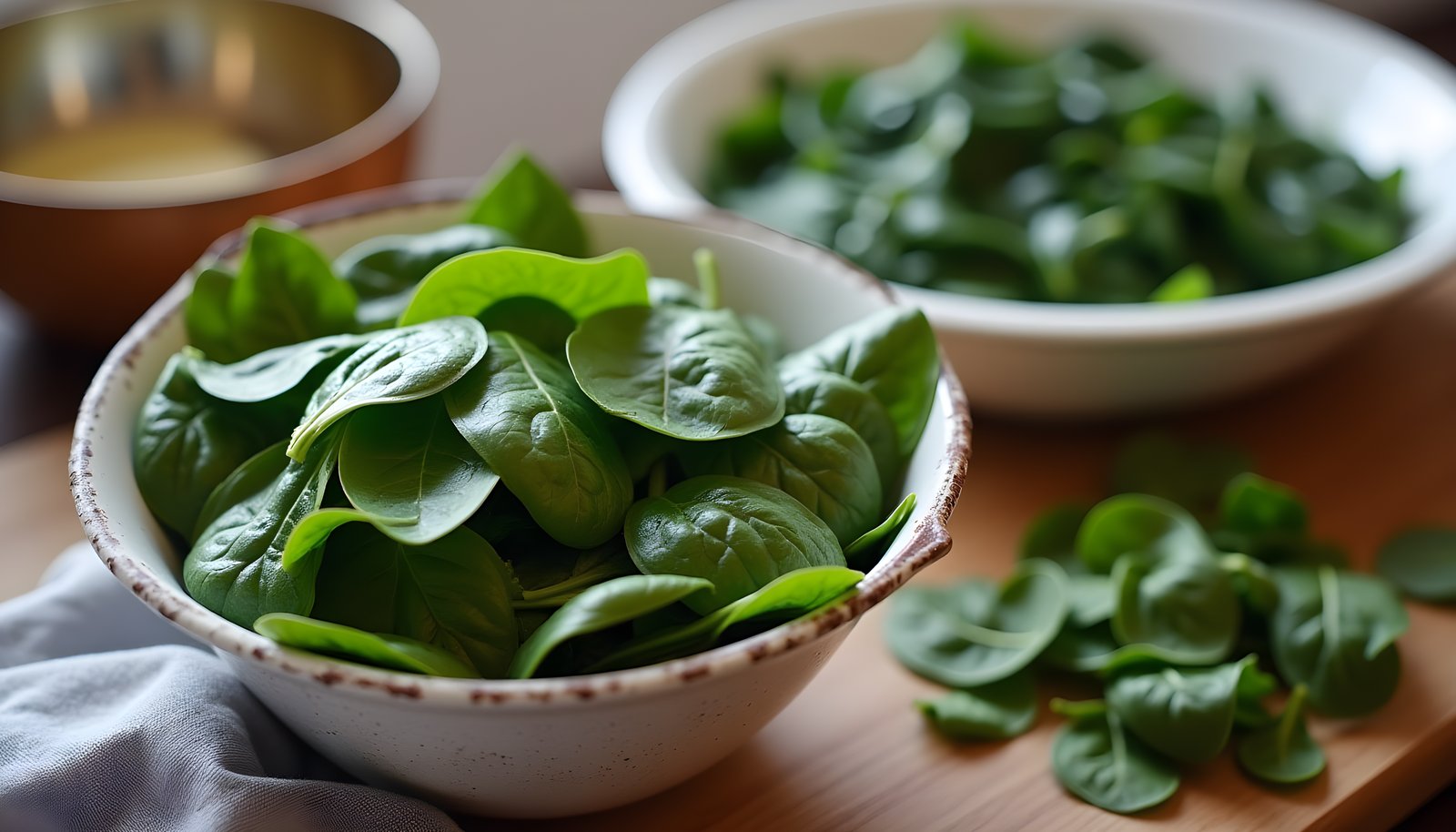
Spinach fiber adds up to about 4.3 grams in a cup of cooked spinach, along with more than a third of your daily magnesium. Spinach wraps and pastas rarely deliver the same benefits, so cooked leaves are the form worth building meals around.
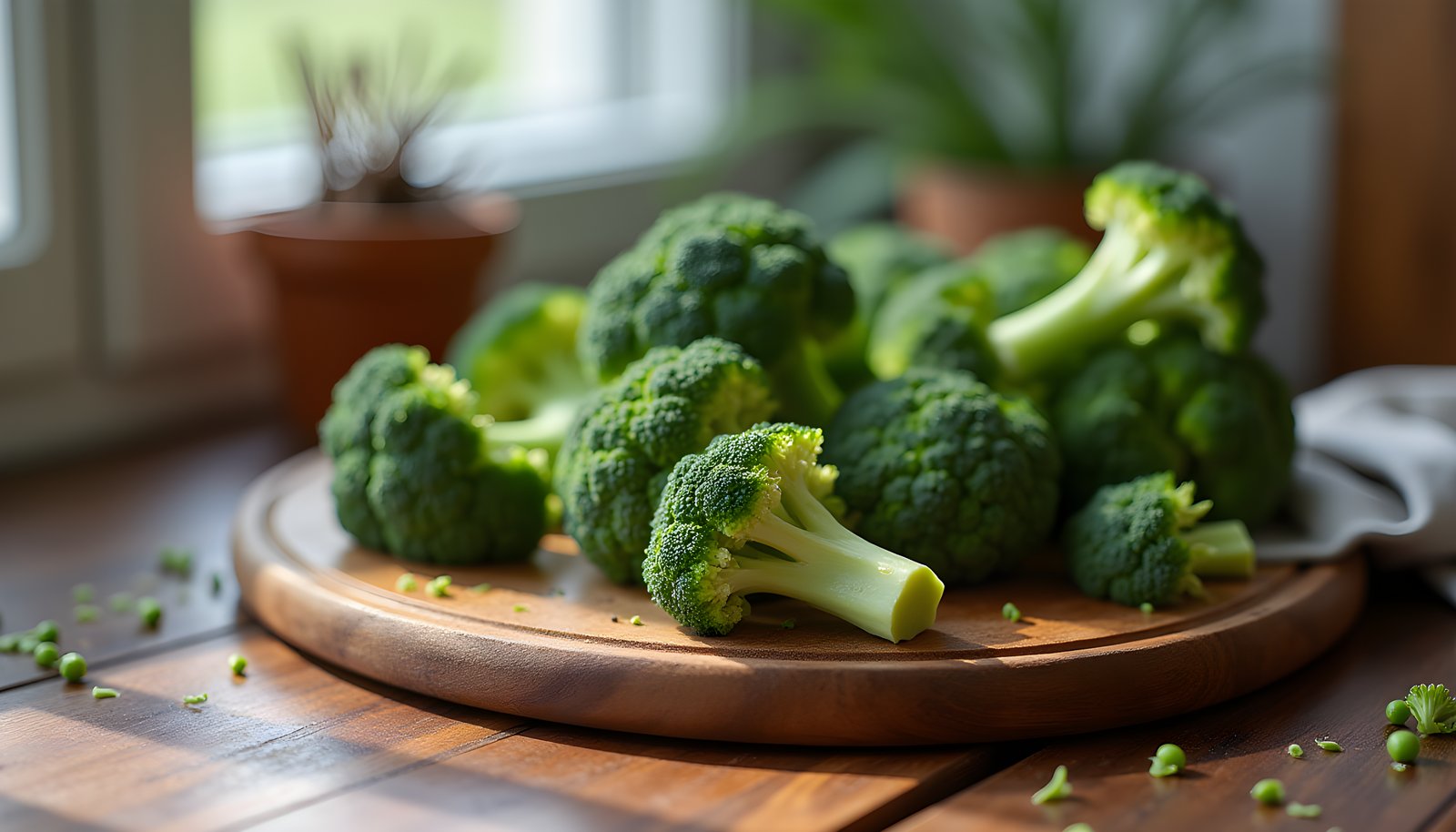
Broccoli fiber comes to about 2.6 grams in half a cup of cooked florets, for only 27 calories. The superfood label owes more to broccoli’s vitamins and plant compounds than its fiber, and its leafy cousins broccoli rabe and Chinese broccoli deliver even more fiber per calorie.
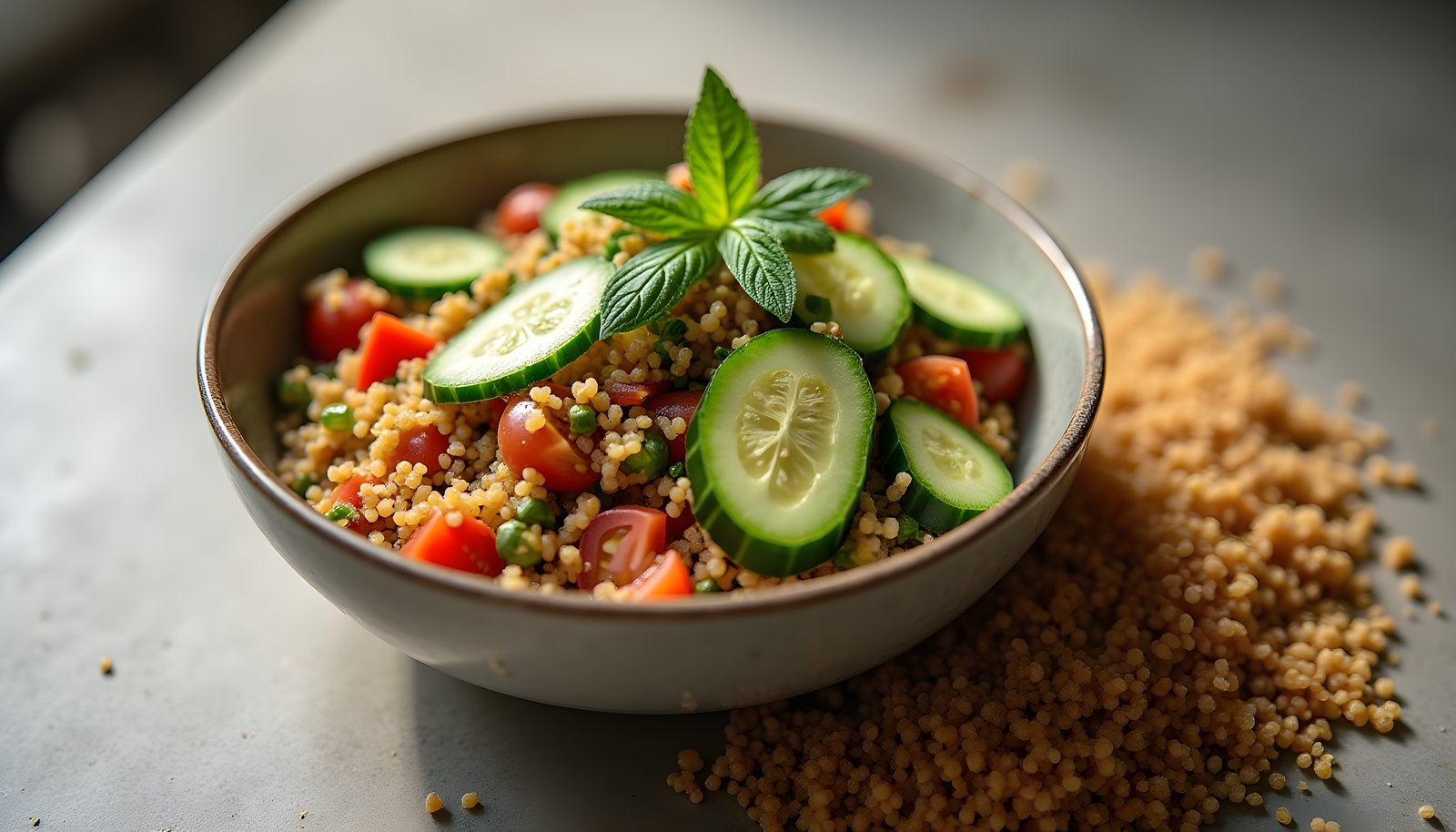
Quinoa fiber content is about 5.2 grams in a cup of cooked quinoa, a solid but not spectacular amount. Its superfood reputation rests more on being a complete protein and a gluten free whole grain, and it pairs best with beans or lentils for fiber.
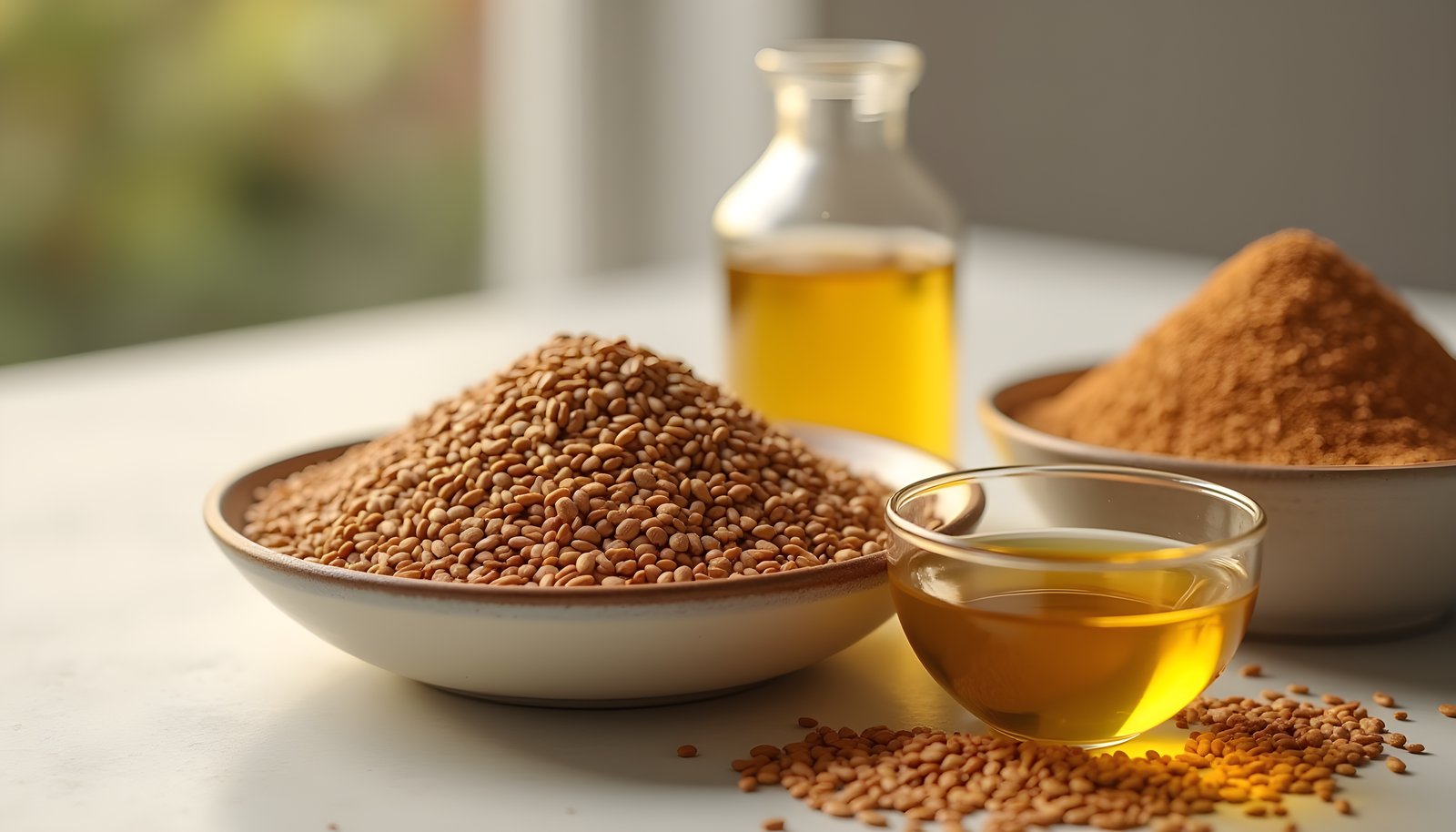
Flaxseed fiber comes to about 2 grams in a tablespoon of ground flax and 2.8 grams in a tablespoon of whole seeds. Ground flax is the form your body can actually use, while flaxseed oil keeps the omega-3 fat but none of the fiber.
Free · 7-day starter guide
Get our Gut Reset Quick-Start when you subscribe
Join 47,000 readers getting the Weekly Fiber Digest — research roundups, recipes, and discounts every Thursday.