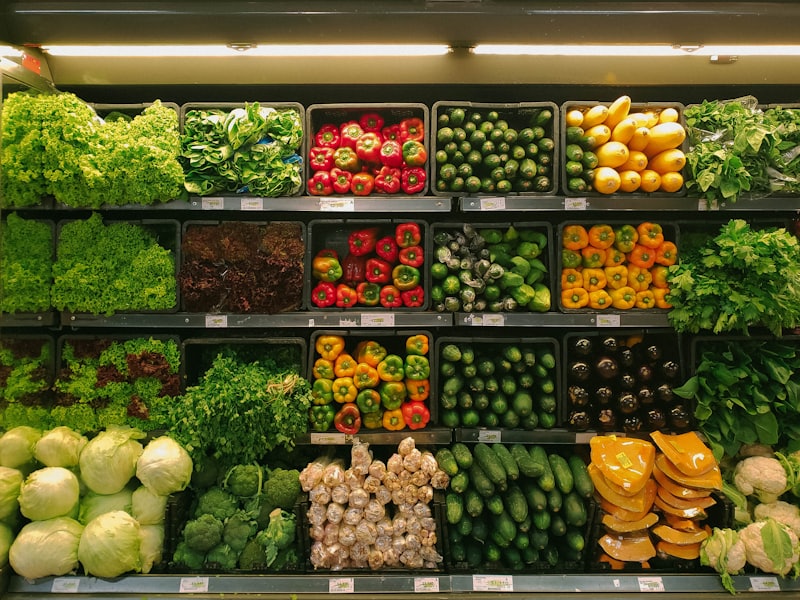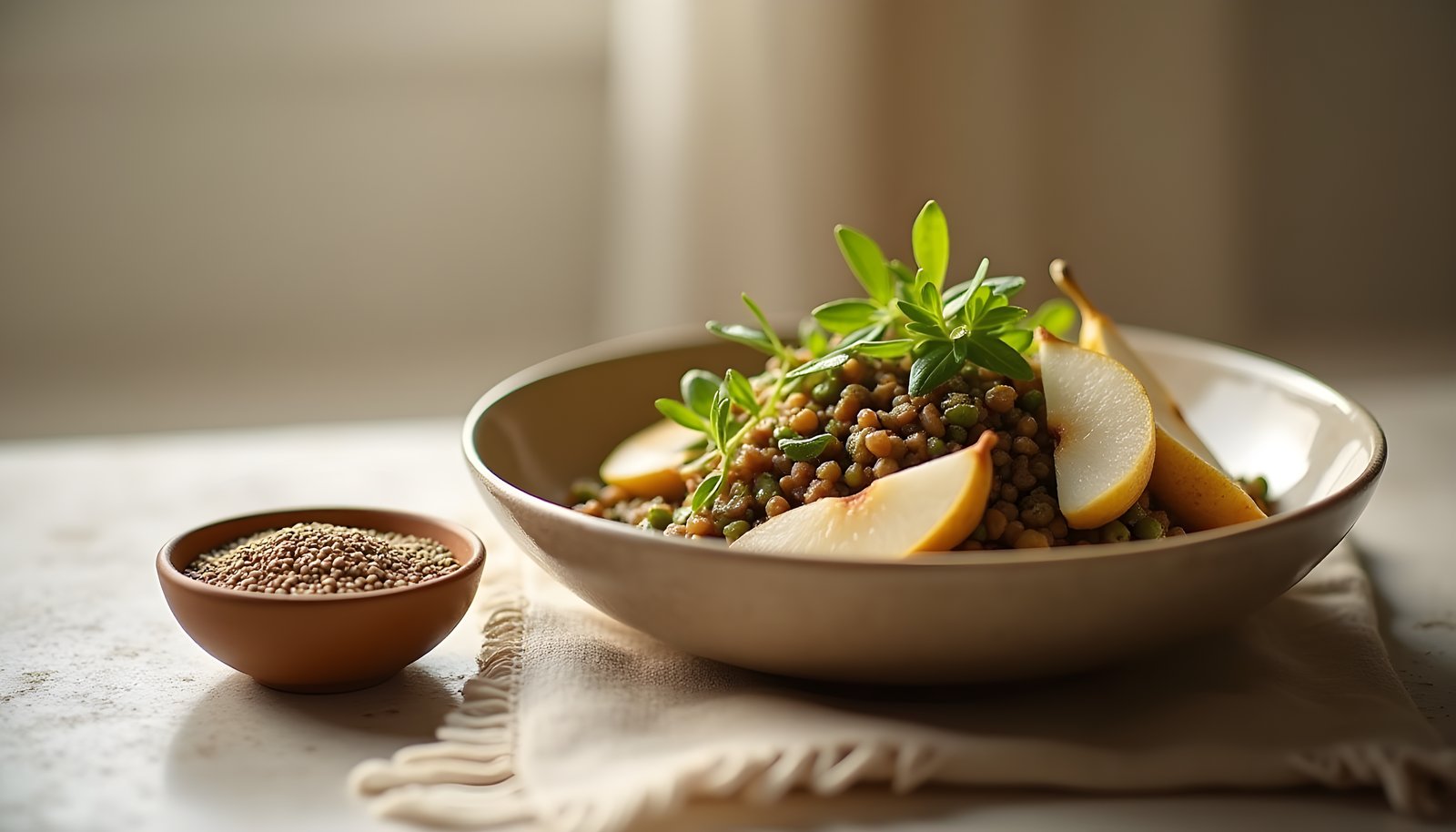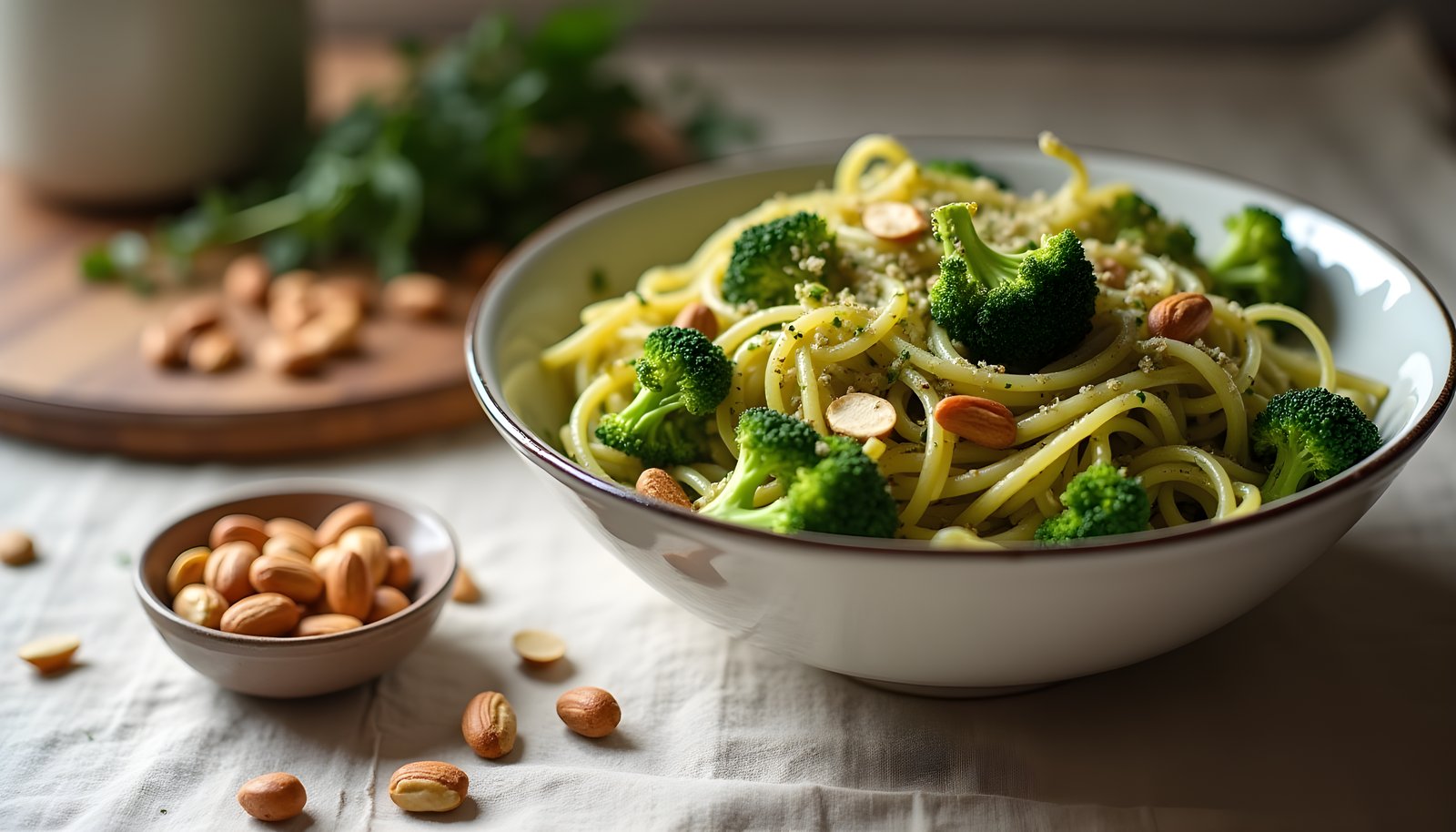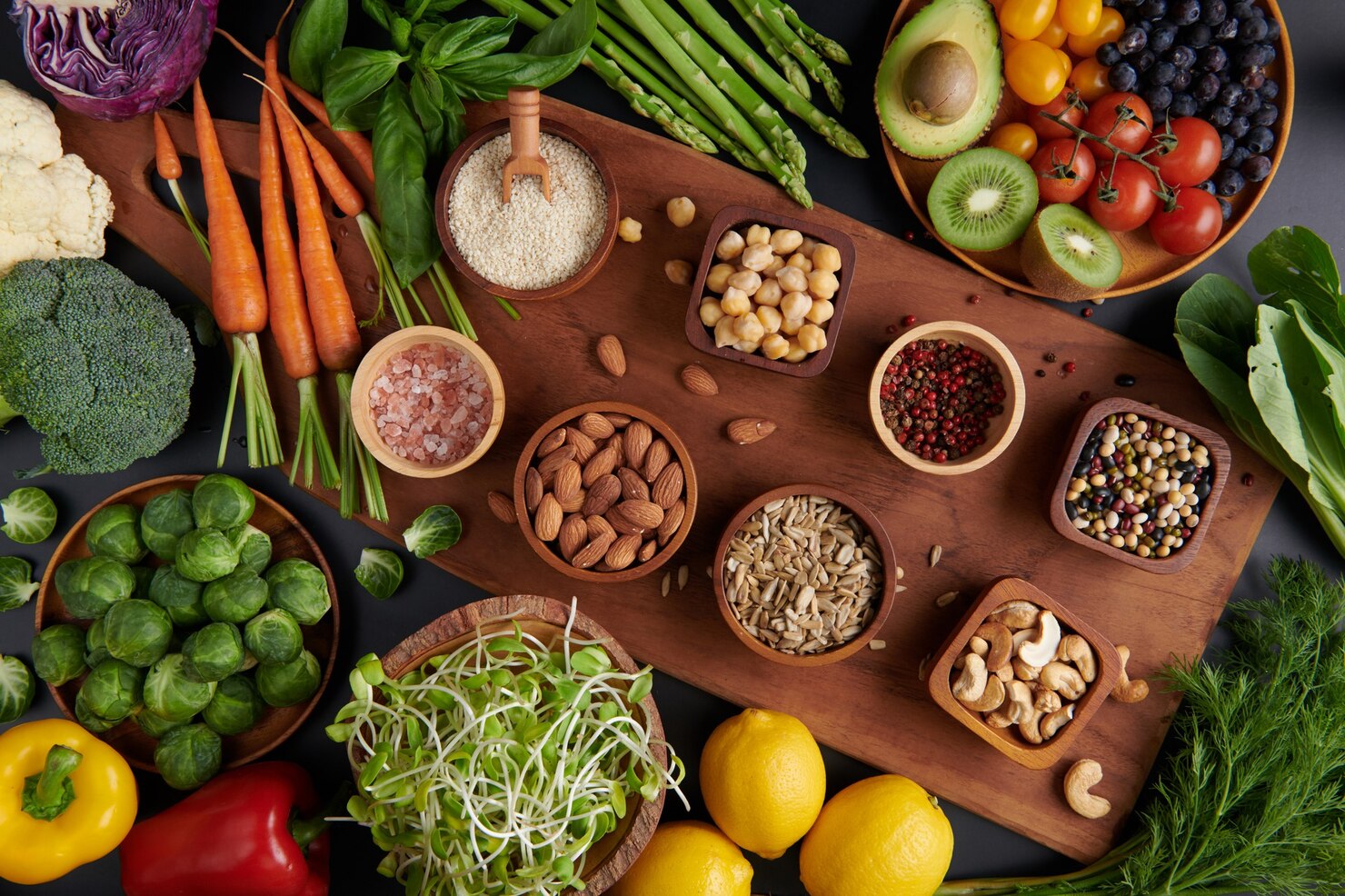
Fiber is one of the most important nutrients for digestion, gut health, blood sugar control, and long-term disease prevention. Yet most people don’t eat enough of it daily. Adding more high-fiber foods to your diet doesn’t have to be complicated—just a few smart swaps and consistent choices can make a big difference.
Below are 30 of the highest-fiber foods, ranked generally by fiber content per serving, along with practical tips to easily include them in your weekly meals.
🥇 Top High-Fiber Foods (Legumes & Beans)
1. Lentils
- Fiber: ~15g per cooked cup
Add to soups, curries, or mix into rice.
2. Split peas
- Fiber: ~16g per cooked cup
Great for thick soups and stews.
3. Black beans
- Fiber: ~15g per cooked cup
Use in burritos, salads, or rice bowls.
4. Chickpeas (Garbanzo beans)
- Fiber: ~12g per cup
Make hummus or roasted snacks.
5. Kidney beans
- Fiber: ~13g per cup
Perfect for chili and mixed curries.
6. Navy beans
- Fiber: ~19g per cup
Excellent in soups and baked dishes.
🌾 Whole Grains (Daily Staples)
7. Oats
- Fiber: ~4g per cup cooked
Start your day with oatmeal or smoothies.
8. Barley
- Fiber: ~6g per cup cooked
Add to soups or replace rice.
9. Quinoa
- Fiber: ~5g per cup cooked
Use as a base for salads and bowls.
10. Brown rice
- Fiber: ~3.5g per cup
Swap with white rice regularly.
11. Whole wheat bread
- Fiber: ~2–4g per slice
Choose 100% whole grain options.
🥦 Vegetables (Everyday Fiber Boosters)
12. Broccoli
- Fiber: ~5g per cup
Steam, stir-fry, or roast.
13. Brussels sprouts
- Fiber: ~4g per cup
Roast with olive oil and spices.
14. Carrots
- Fiber: ~3.5g per cup
Eat raw or add to curries.
15. Sweet potatoes
- Fiber: ~4g per medium potato
Bake or mash as a side dish.
16. Spinach
- Fiber: ~4g per cooked cup
Add to eggs, rice, or soups.
17. Cauliflower
- Fiber: ~3g per cup
Use as rice substitute.
18. Green peas
- Fiber: ~9g per cup
Add to rice or pasta dishes.
🍎 Fruits (Natural Sweet Fiber Sources)
19. Pears
- Fiber: ~6g per medium fruit
Eat with skin for best benefit.
20. Apples
- Fiber: ~4g per medium apple
Great as snacks or salads.
21. Bananas
- Fiber: ~3g per medium banana
Ideal pre-workout energy.
22. Raspberries
- Fiber: ~8g per cup
Add to yogurt or oats.
23. Avocados
- Fiber: ~10g per fruit
Use in toast or salads.
24. Oranges
- Fiber: ~3g per medium orange
Eat whole instead of juice.
🌰 Nuts & Seeds (Small but Powerful)
25. Chia seeds
- Fiber: ~10g per 2 tablespoons
Add to water, smoothies, or pudding.
26. Flaxseeds
- Fiber: ~6g per 2 tablespoons
Best when ground and mixed in food.
27. Almonds
- Fiber: ~3.5g per handful
Great healthy snack option.
28. Pistachios
- Fiber: ~3g per serving
Eat as a snack or salad topping.
🍠 Other High-Fiber Options
29. Popcorn (air-popped)
- Fiber: ~4g per 3 cups
Healthy snack when not butter-heavy.
30. Dark chocolate (70–85%)
- Fiber: ~3–4g per serving
Eat in moderation as a treat.
💡 Simple Tips to Increase Fiber Daily
- Add 1–2 servings of legumes per day
- Replace white rice with brown rice or quinoa
- Eat fruit with skin whenever possible
- Add chia or flax seeds to breakfast
- Include vegetables in every meal
- Drink plenty of water to support digestion
⚖️ Final Thought
You don’t need a perfect diet—just consistent improvements. Even adding 10–15g extra fiber per day can significantly improve digestion, energy levels, and long-term health.
Start small, stay consistent, and let your meals work for your health every day.