Discover the most popular fiber articles this week. From gut health to weight loss, these trending reads are backed by science and chosen by our community.
How Much Fiber Do You Actually Need?
Most people have no idea. Enter your age, gender, and activity level — get your personalized daily target in seconds.
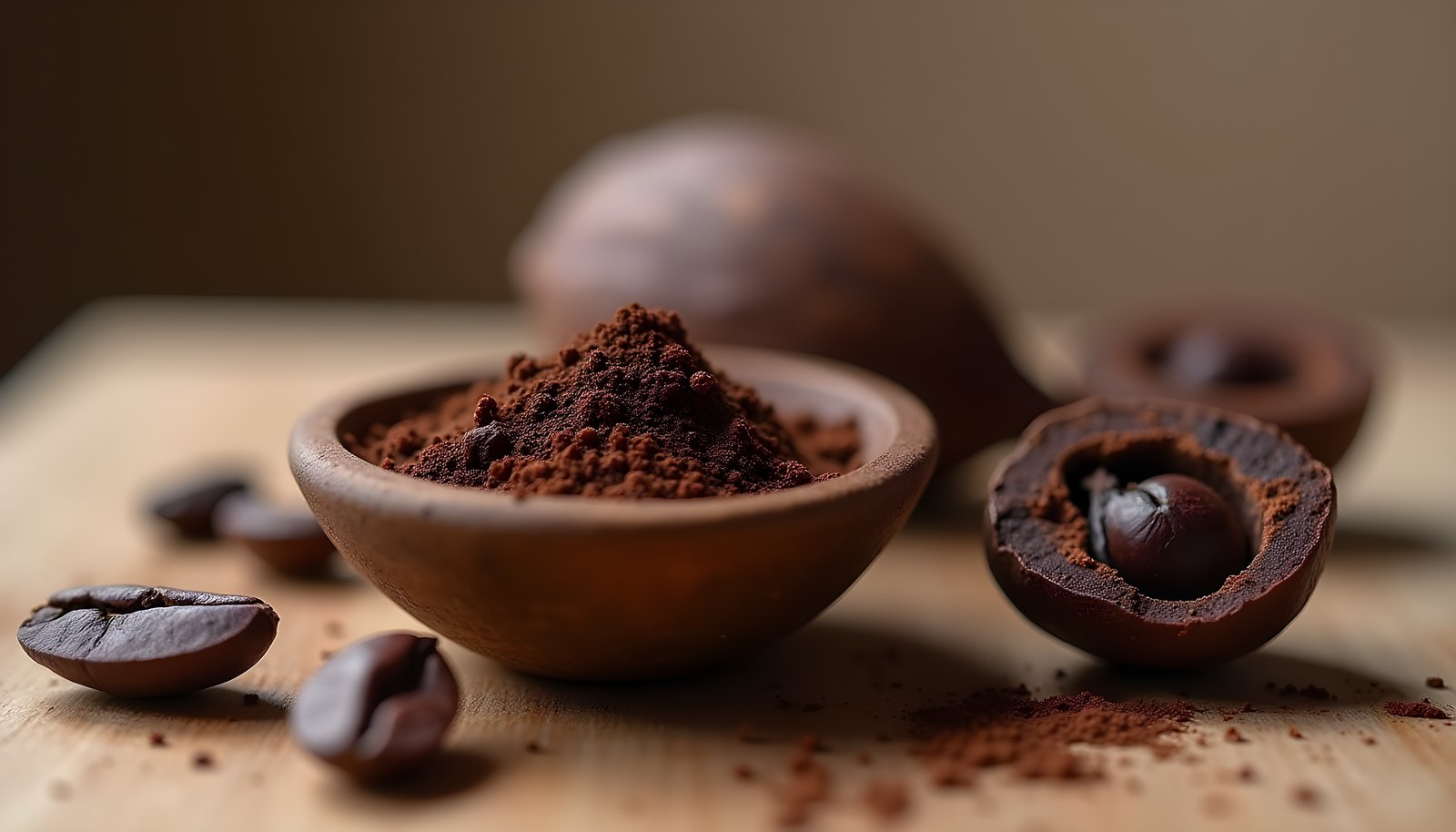
Cacao powder fiber is surprisingly high: USDA lists 37 grams per 100 grams of natural unsweetened cocoa powder, or about 4 grams in two tablespoons for roughly 25 calories. Dutch processed cocoa has a little less, and sweetened hot cocoa mixes have very little.
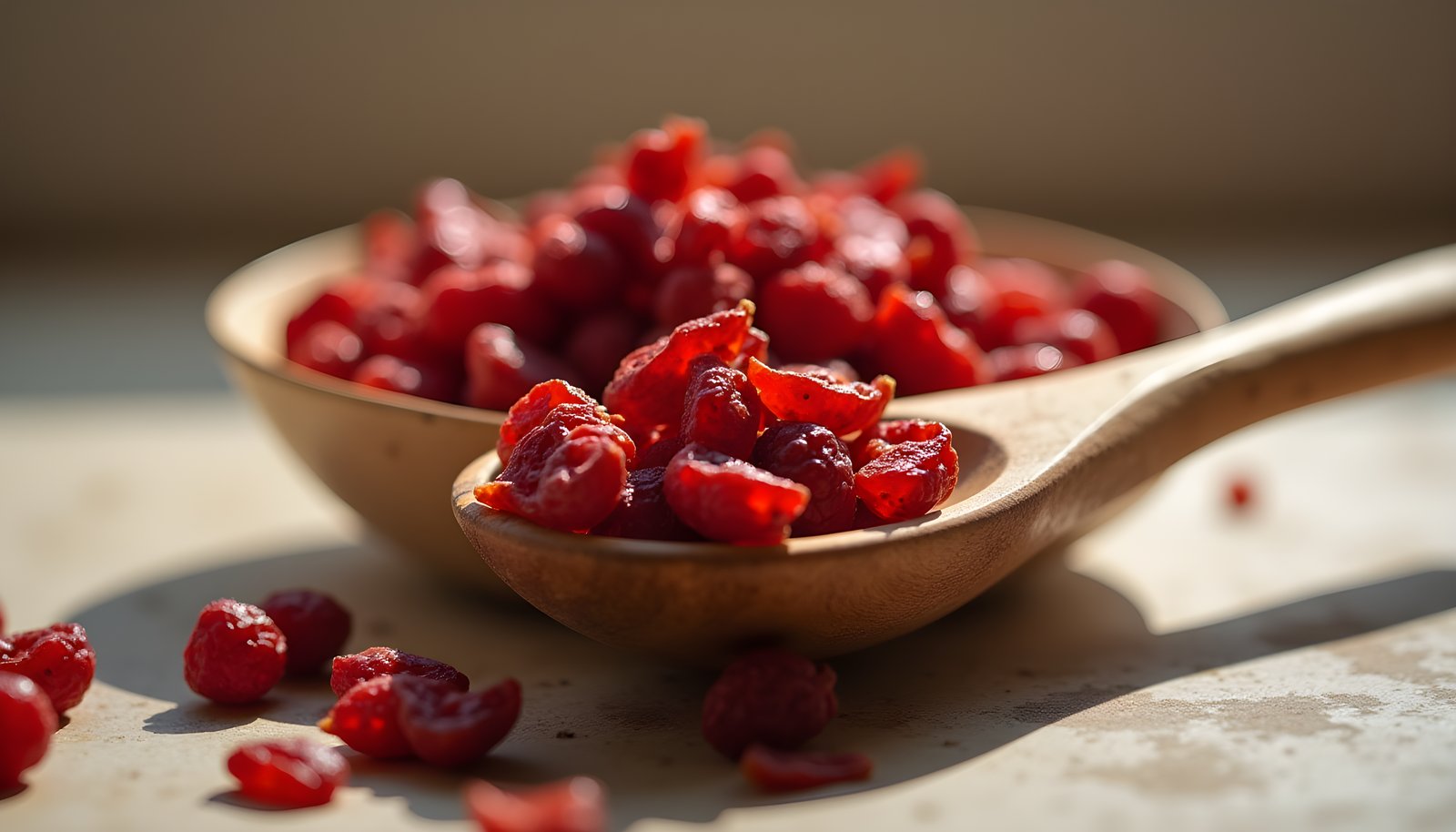
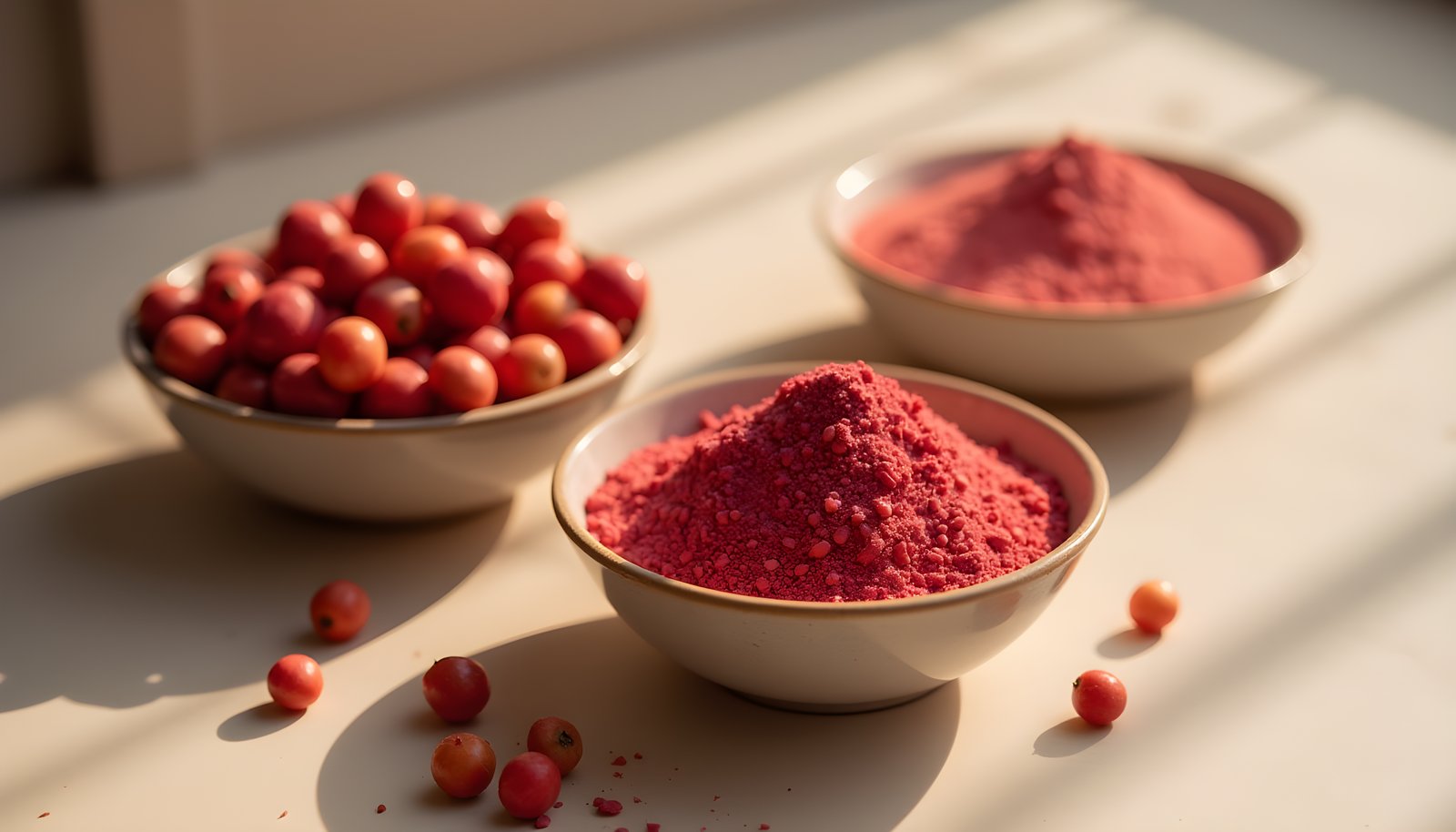
Goji berries fiber content is solid but not unusual: USDA lists 13 grams per 100 grams of dried goji, or about 3.6 grams in a 28 gram handful. That puts goji right alongside dried figs, prunes and dates.
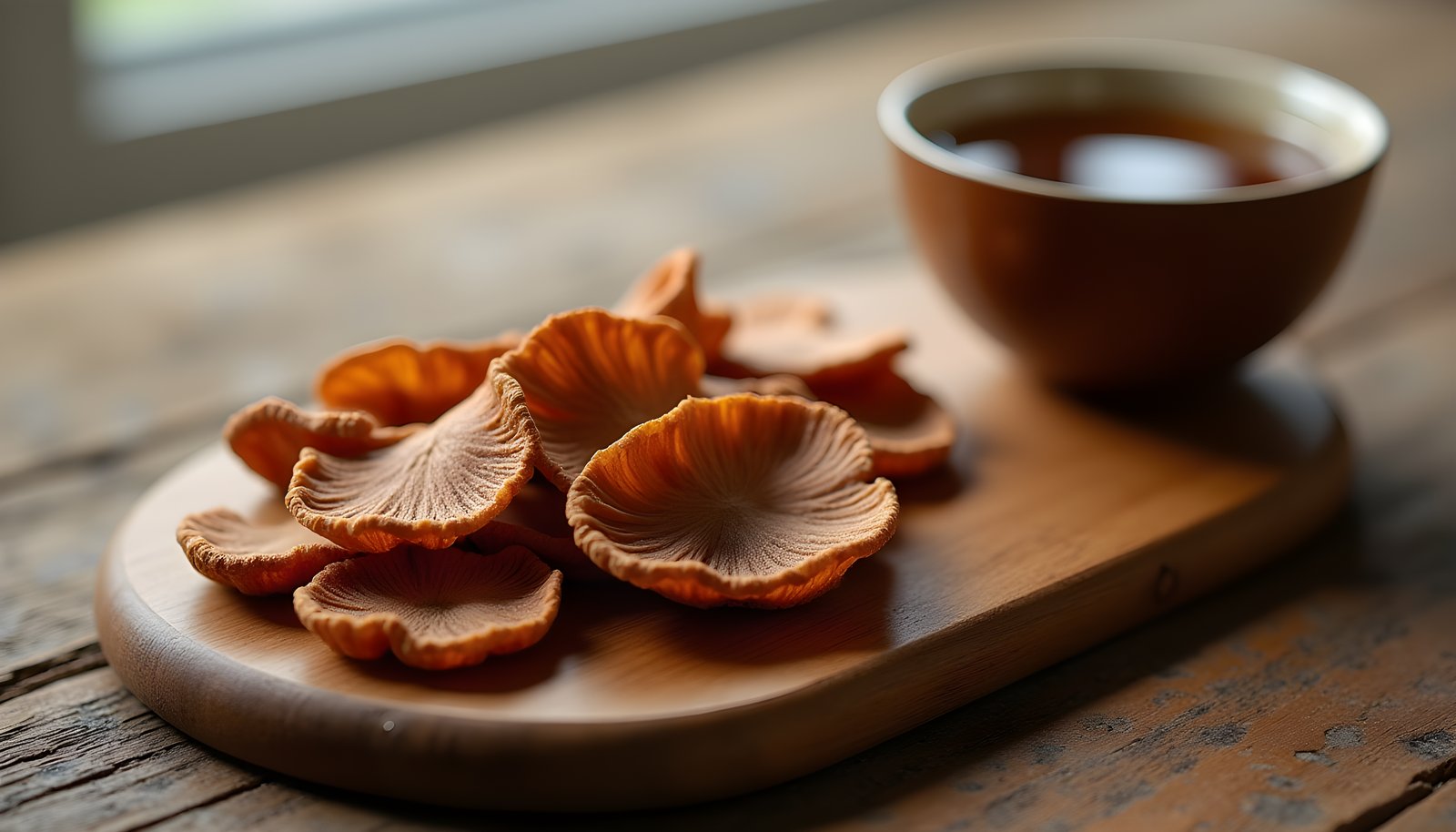
Reishi mushroom fiber is surprisingly concentrated: a 2024 analysis found dried reishi was about 64% dietary fiber. But most people take reishi as tea or extract, which leaves most of that woody fiber behind.
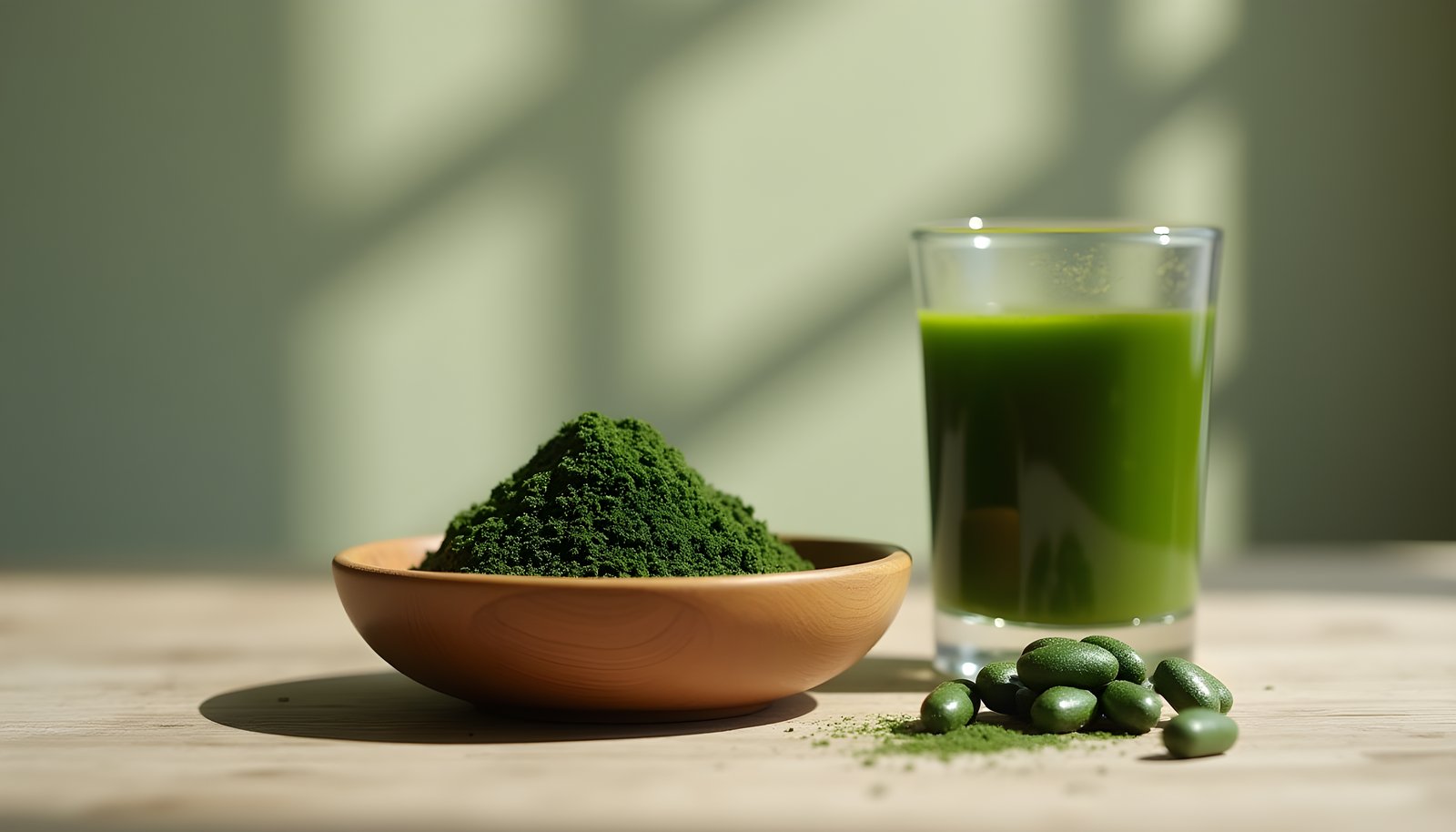
Chlorella fiber content runs about 7 to 16 grams per 100 grams of powder, which works out to well under a gram in a typical 5 gram daily dose. Most of that fiber sits in the alga’s tough cellulose cell wall.
Camu camu fiber is modest: fresh camu camu pulp has about 1.2 grams of dietary fiber per 100 grams, and a teaspoon of powder adds roughly half a gram. The fruit earns its superfood name from vitamin C, not fiber.
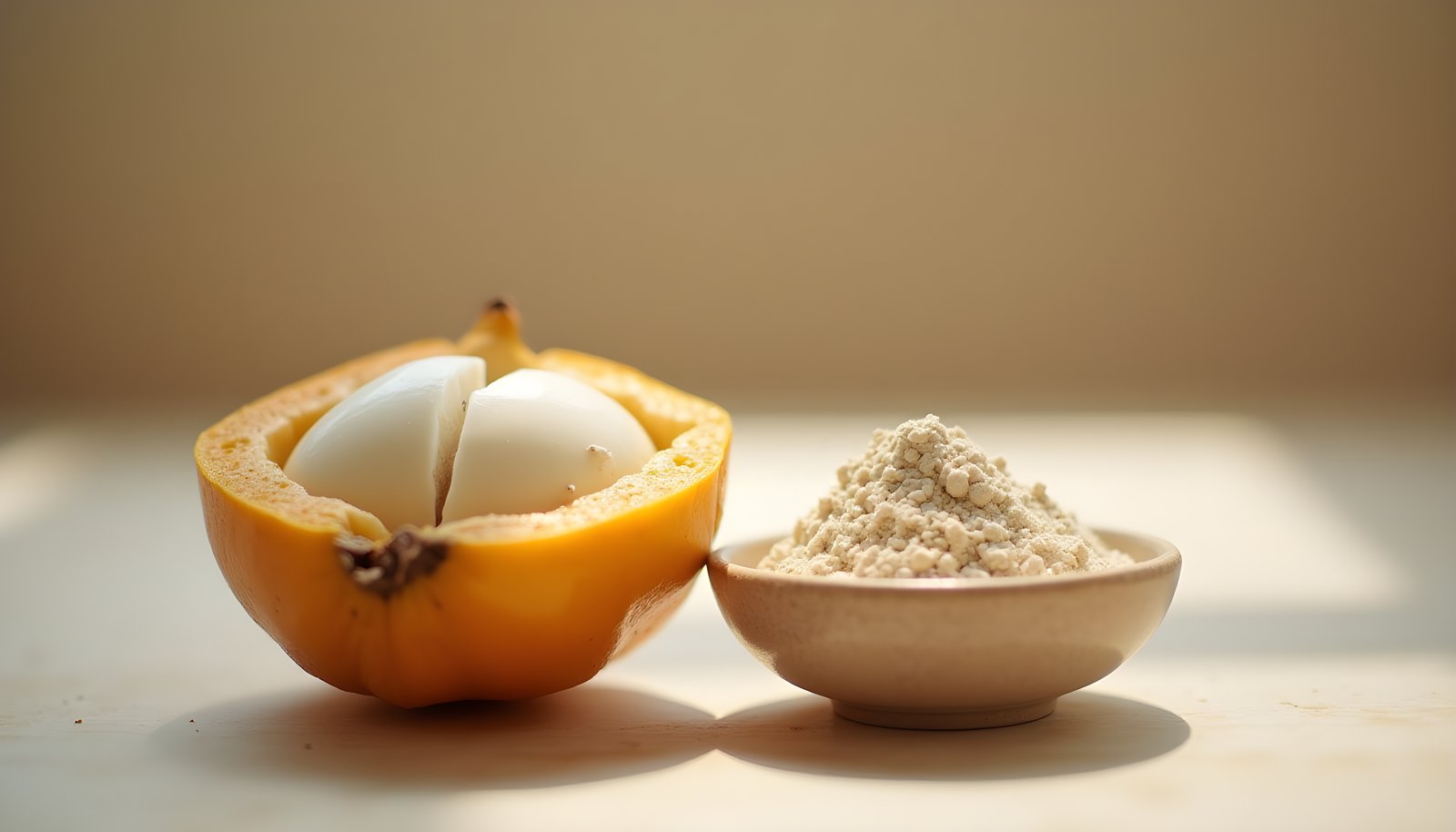
Baobab fiber content is genuinely high: USDA lists 44.5 grams of fiber per 100 grams of baobab powder, and a 10 gram serving gives about 4.5 grams. Unlike most superfood powders, much of that fiber is the soluble kind.
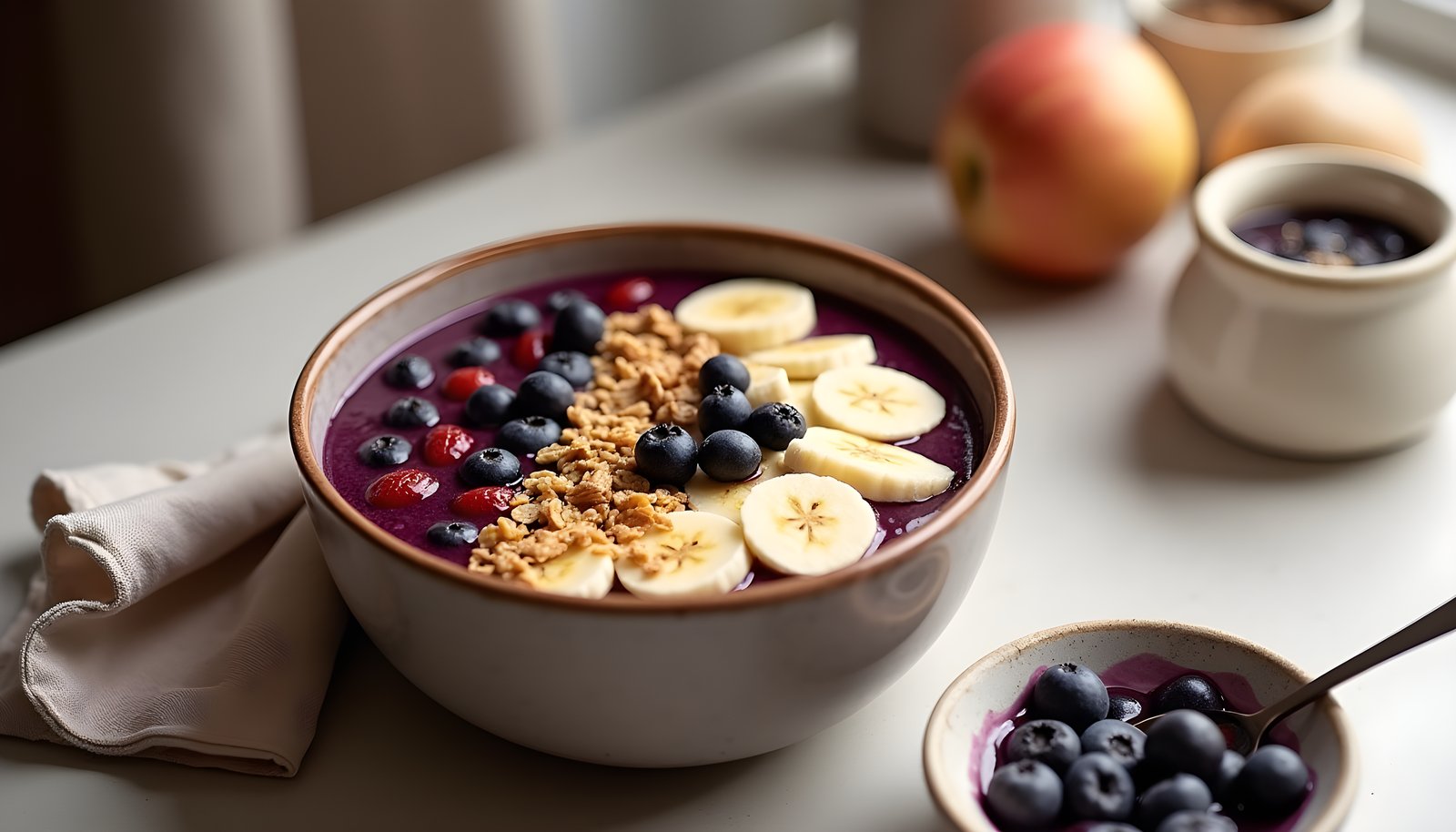
Acai fiber content is genuinely high: dried acai pulp measured about 71 grams of fiber per 100 grams in a 2011 study, almost all of it insoluble. Fresh pulp is mostly water, so 100 grams of frozen pulp likely supplies a few grams, depending on how thick it is.
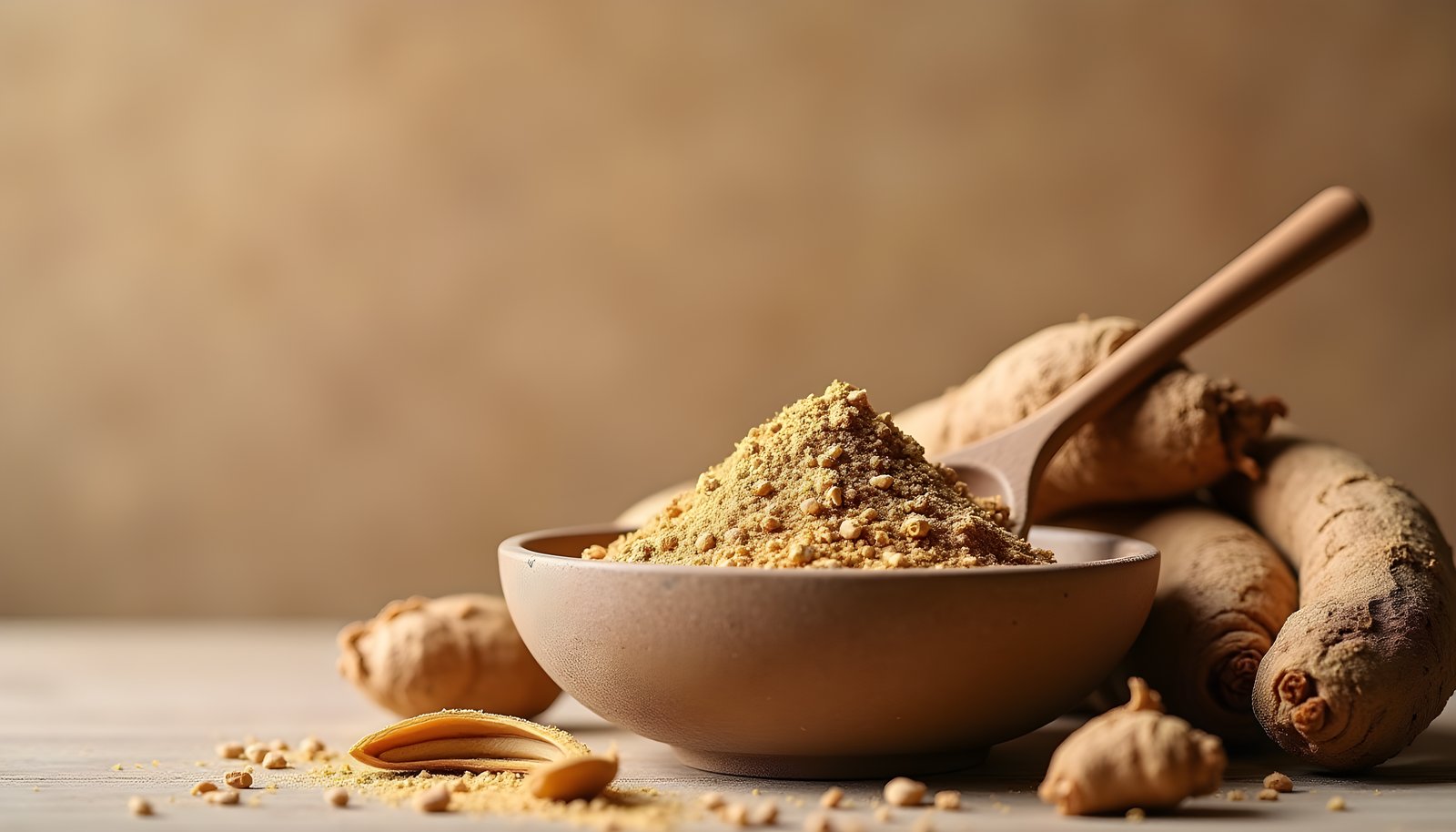
Dried maca root fiber runs about 15.6 to 26 grams per 100 grams, according to a 2019 review in Food Chemistry. A 5 gram scoop of maca powder adds roughly 1 gram of fiber, more than many superfood powders but still a small amount.
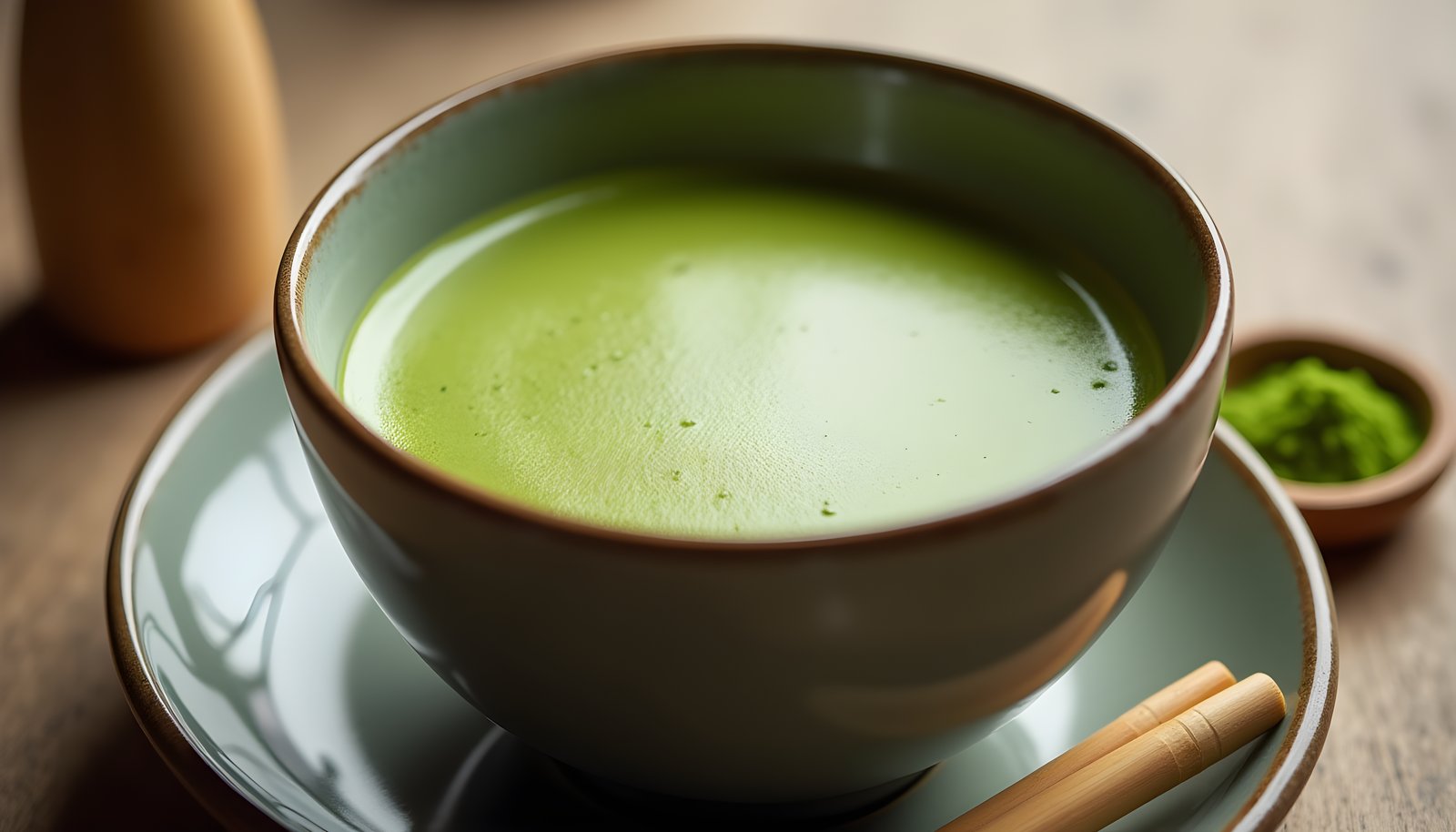
Matcha fiber content is surprisingly high by weight, about 56 grams per 100 grams of powder in a 2024 lab analysis. Because a cup uses only a gram or two, a typical matcha drink adds roughly 0.5 to 1 gram of fiber, while steeped green tea adds none.
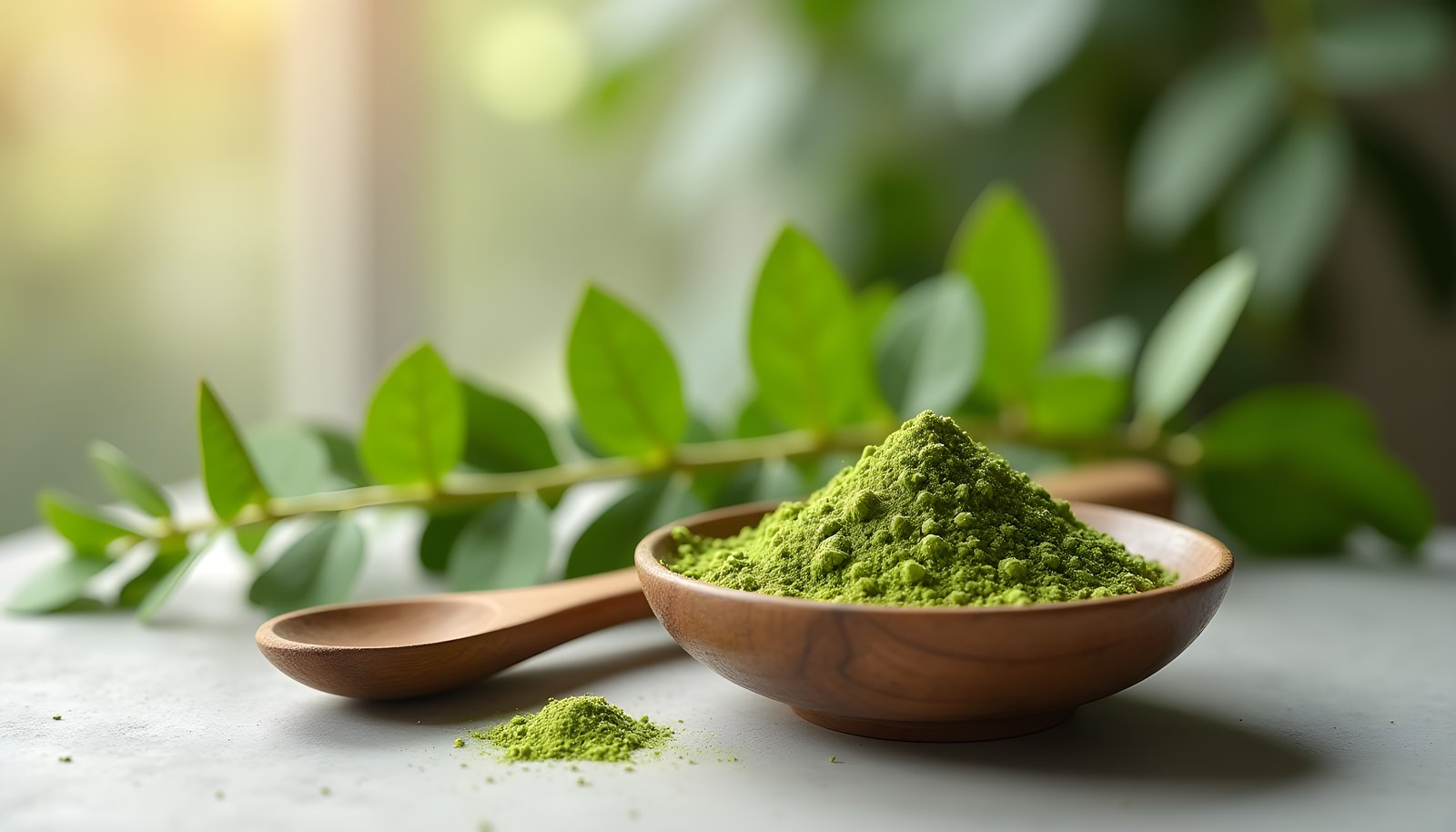
Moringa fiber content is modest: fresh leaves have about 2 grams of fiber per 100 grams, and dried moringa powder has roughly 7 to 9.5 grams per 100 grams. A 5 gram scoop of powder adds less than half a gram, so moringa earns its place through minerals and vitamins more than fiber.
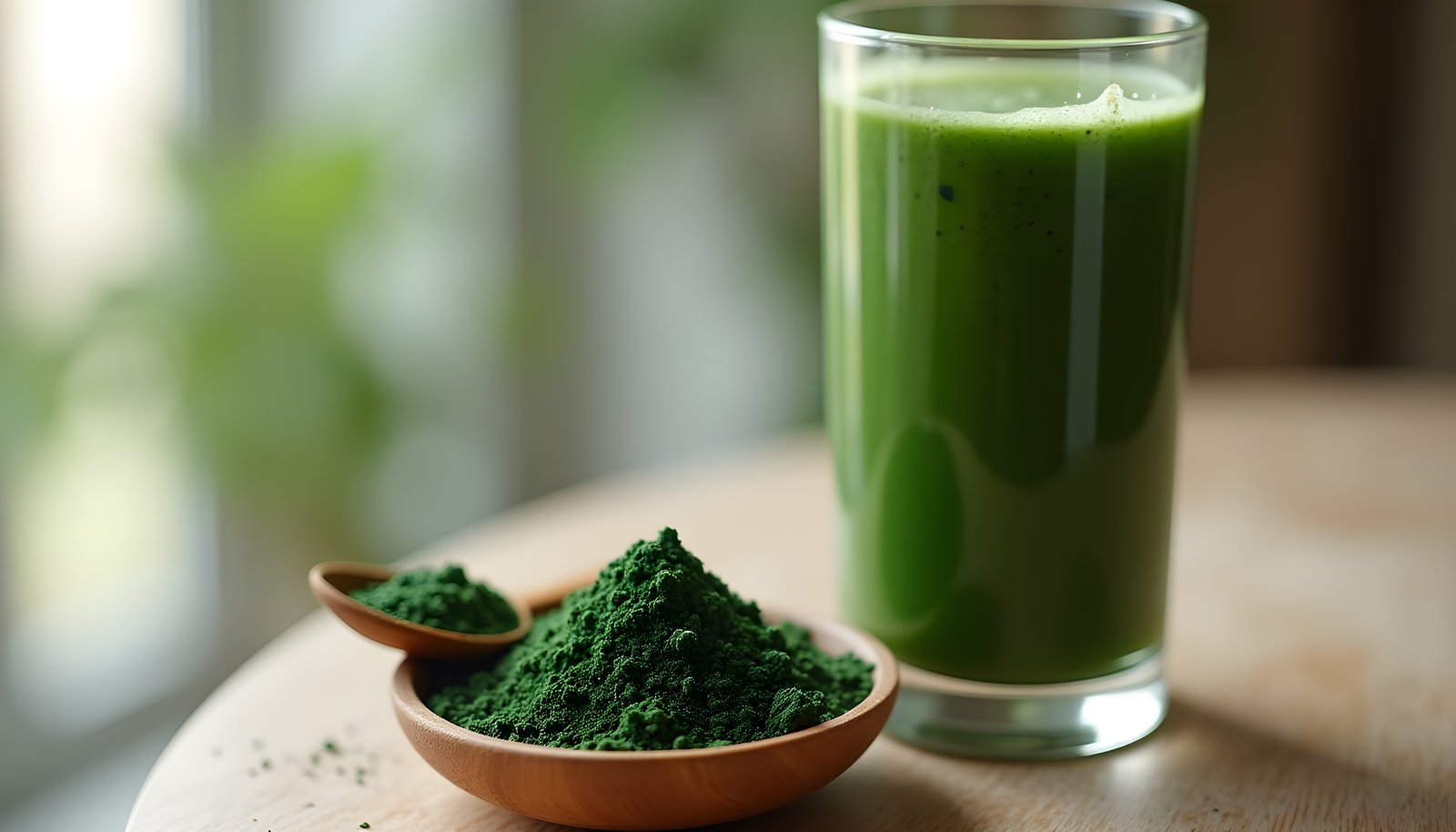
No, spirulina is not high in fiber. A tablespoon of dried spirulina has about 0.25 grams of fiber, so its spirulina fiber content is tiny even though it is rich in protein, copper and iron.
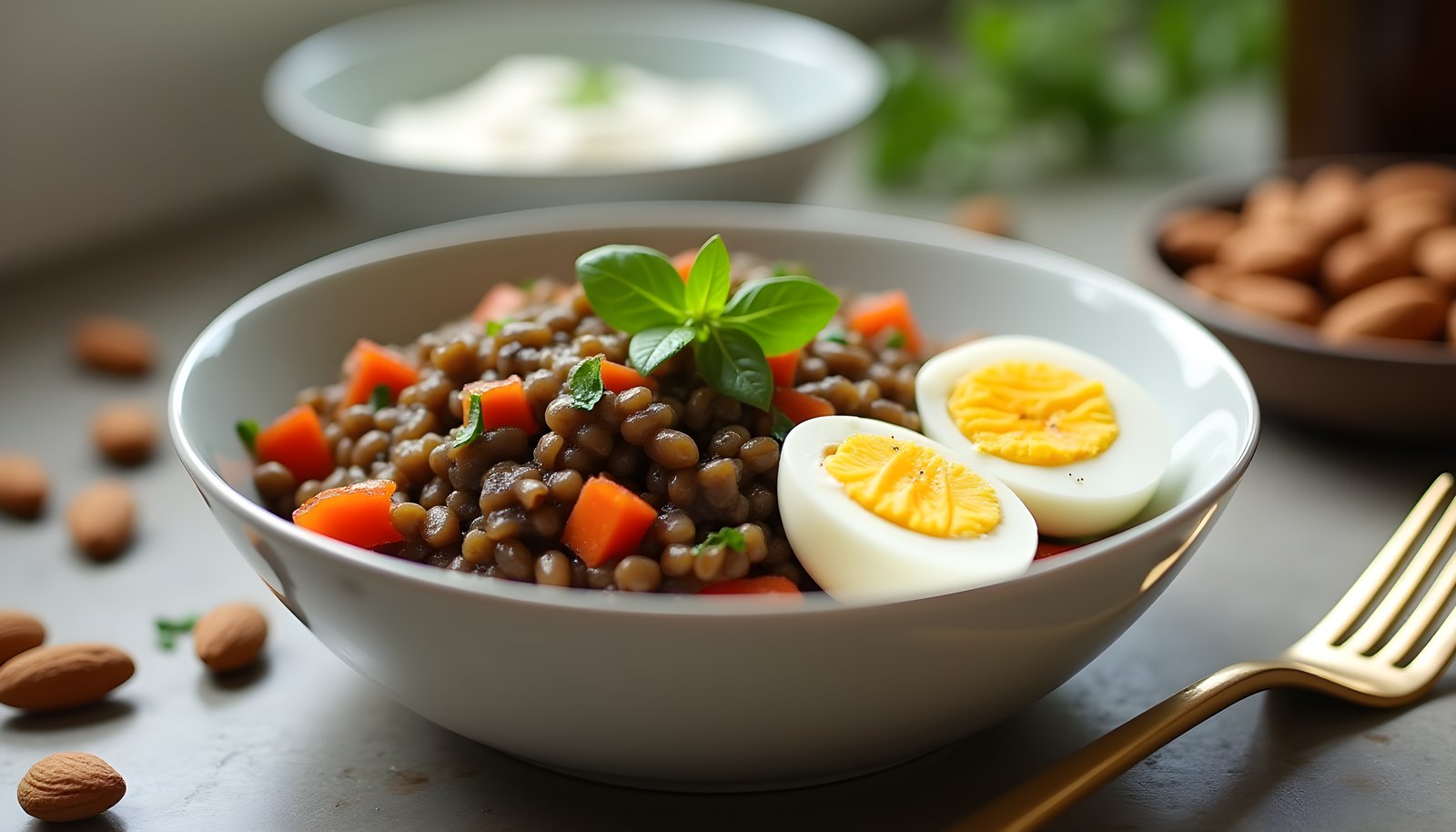
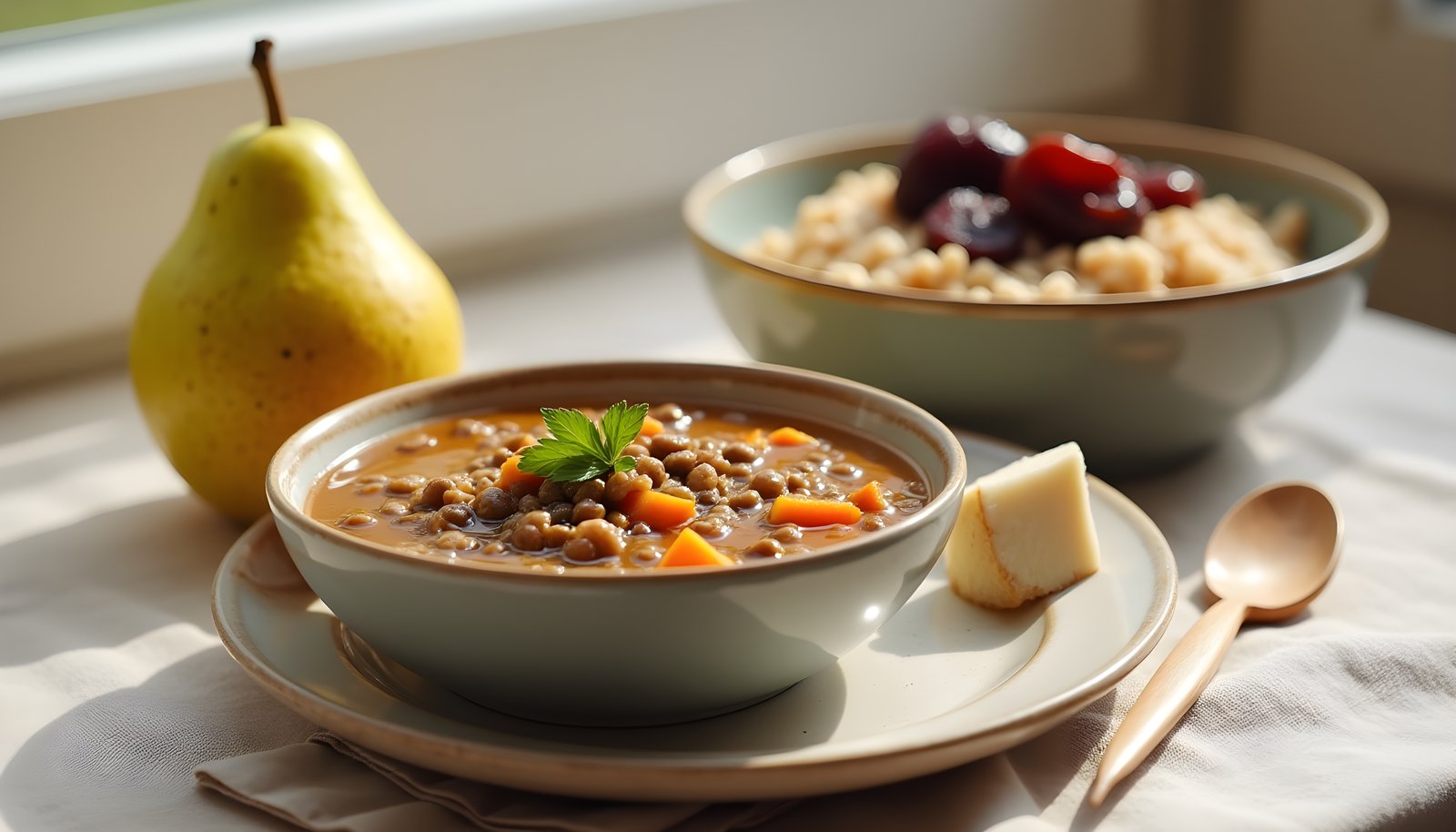
The best high fiber foods for seniors are soft, easy options like lentil and split pea soup, canned pumpkin, cooked carrots and sweet potato, ripe pears, raspberries, avocado and bran cereal. They pack a lot of fiber into small, easy to chew portions.
Free · 7-day starter guide
Get our Gut Reset Quick-Start when you subscribe
Join 47,000 readers getting the Weekly Fiber Digest — research roundups, recipes, and discounts every Thursday.