Fruits, vegetables, grains, legumes, nuts and more – discover which everyday foods pack the most fiber, how much they deliver, and simple ways to eat more of them every day.
A here’s no supplement that beats a plate of real food. Whole foods deliver fiber alongside vitamins, minerals, antioxidants, and water — a package no powder can match. The good news is that hitting your daily target is easier than it sounds once you know where fiber actually hides.
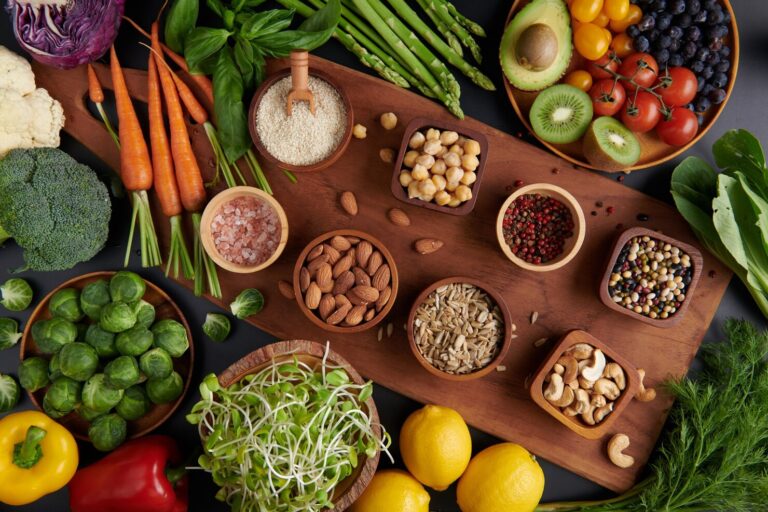
Beans and legumes are fiber powerhouses; a single cup can cover more than half your day. Whole
grains, fruit eaten with the skin, vegetables, nuts, and seeds all stack up quickly. Variety matters too
— different foods carry different types of fiber, so a mixed plate feeds a wider range of gut bacteria
than any single food or supplement could.
“You don’t need exotic superfoods to hit your fiber goal — beans, oats,
berries, and a handful of nuts will get most people there.”
That’s why we organize everything by food group. Browse fruits, vegetables, grains, legumes, nuts and seeds, dairy and alternatives, or proteins to see exactly how much fiber each delivers — with the standout picks in every category called out for you.
Not sure where to start? Begin with the highest-fiber foods, then explore the food group you eat most — small, consistent swaps are what move your daily total.
Walnuts fiber content is about 1.9 grams per ounce, less than almonds, pistachios or pecans. Walnuts earn their superfood status from plant omega-3s instead, with one ounce covering more than a full day’s ALA, while the brain health evidence is still mixed.
Spinach fiber adds up to about 4.3 grams in a cup of cooked spinach, along with more than a third of your daily magnesium. Spinach wraps and pastas rarely deliver the same benefits, so cooked leaves are the form worth building meals around.
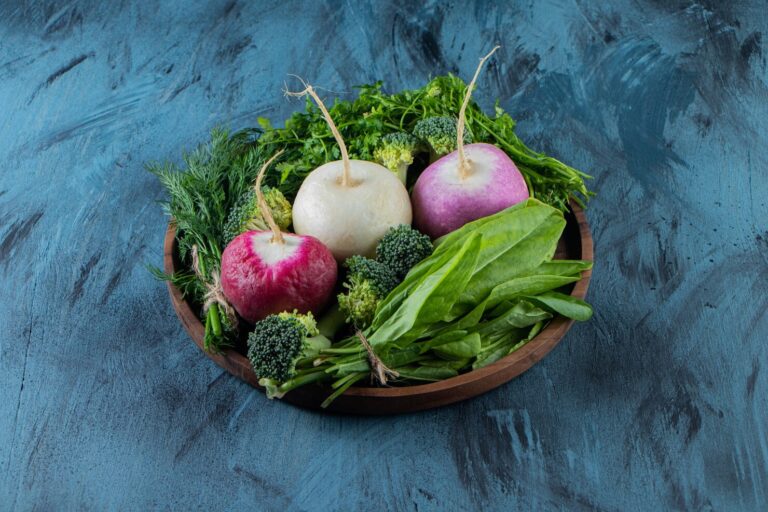
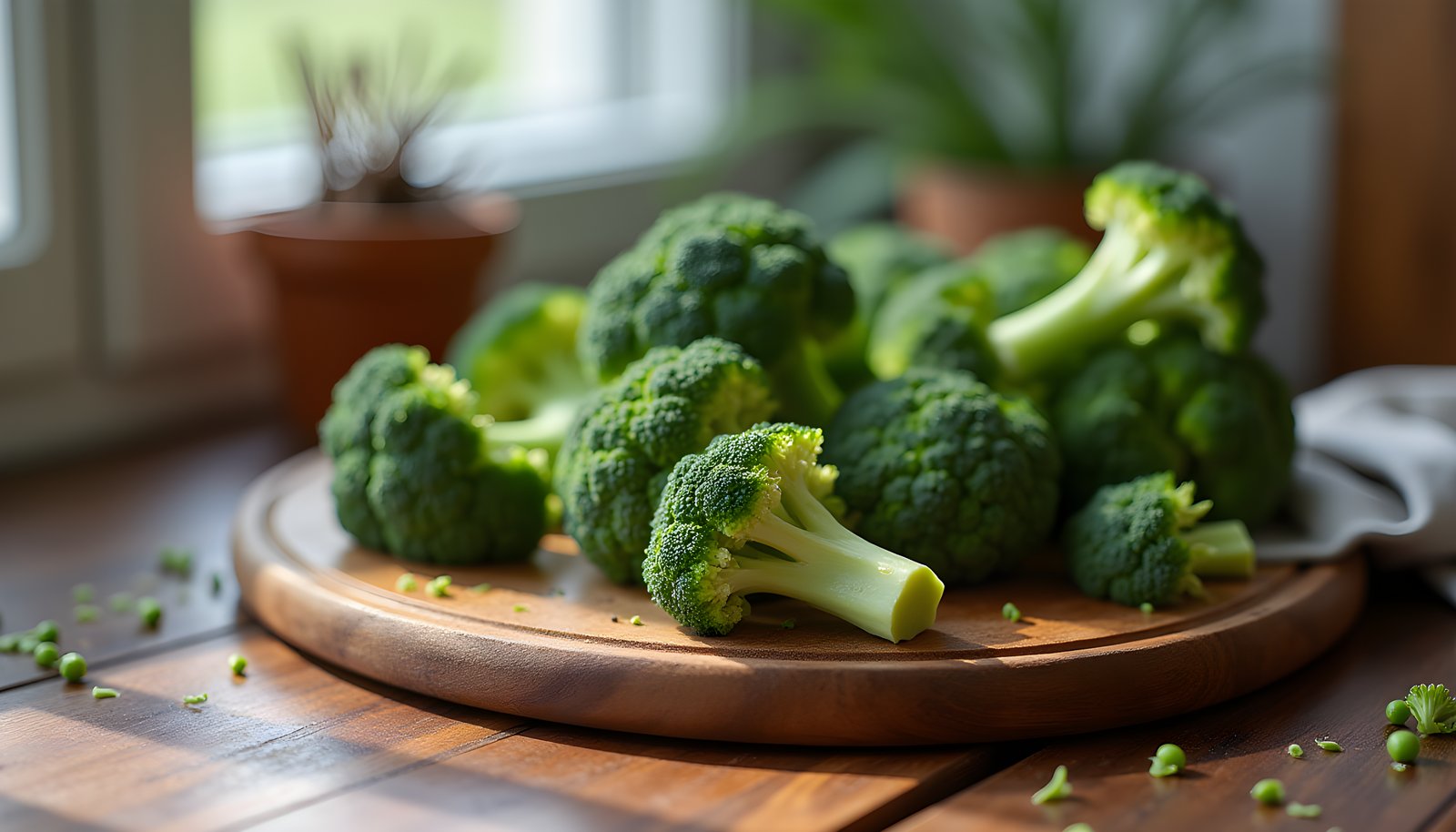
Broccoli fiber comes to about 2.6 grams in half a cup of cooked florets, for only 27 calories. The superfood label owes more to broccoli’s vitamins and plant compounds than its fiber, and its leafy cousins broccoli rabe and Chinese broccoli deliver even more fiber per calorie.
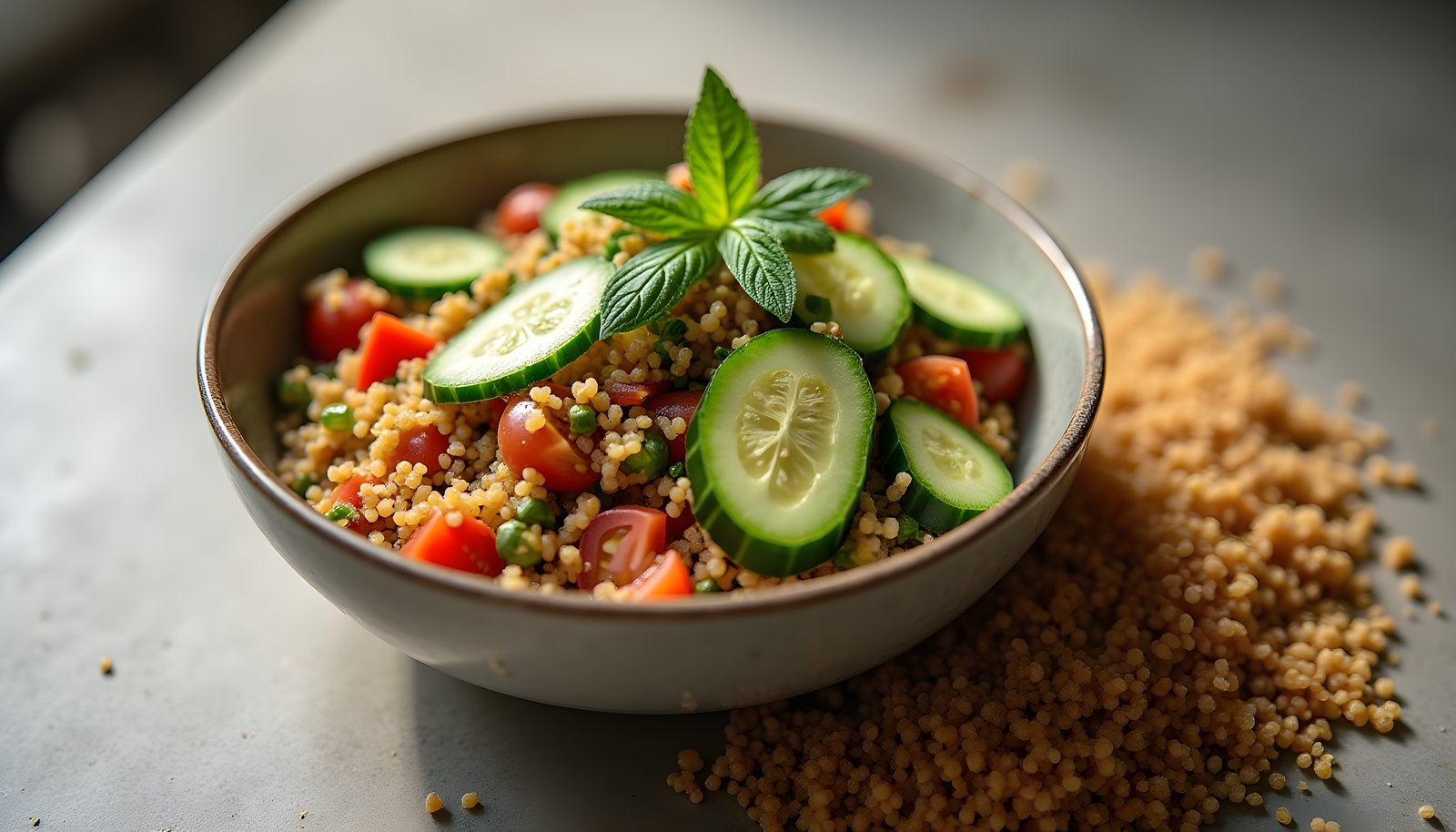
Quinoa fiber content is about 5.2 grams in a cup of cooked quinoa, a solid but not spectacular amount. Its superfood reputation rests more on being a complete protein and a gluten free whole grain, and it pairs best with beans or lentils for fiber.
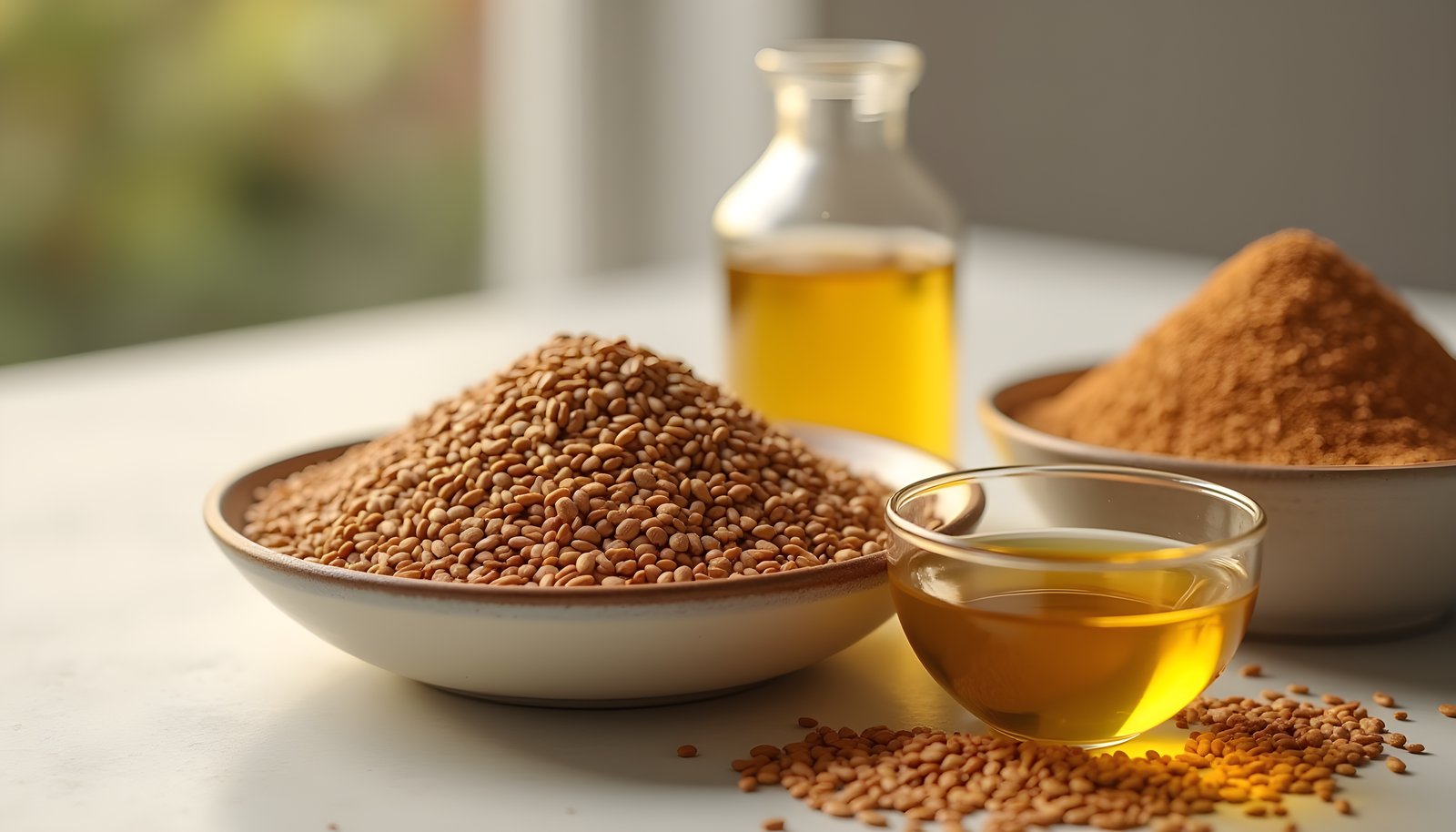
Flaxseed fiber comes to about 2 grams in a tablespoon of ground flax and 2.8 grams in a tablespoon of whole seeds. Ground flax is the form your body can actually use, while flaxseed oil keeps the omega-3 fat but none of the fiber.
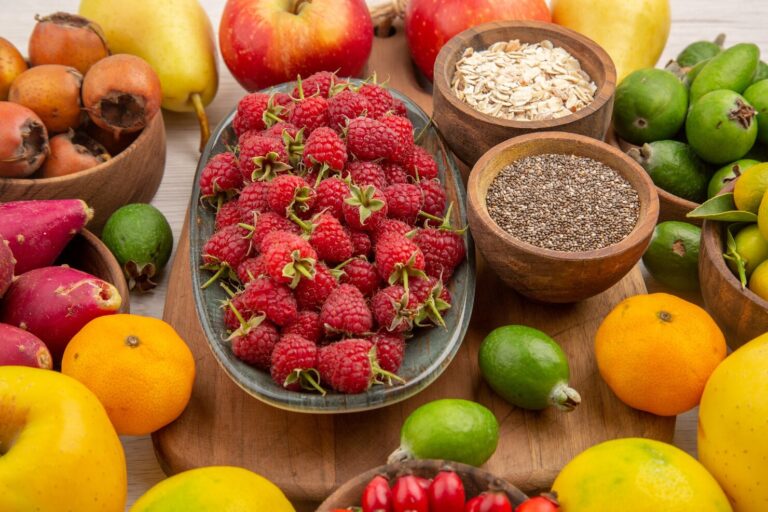
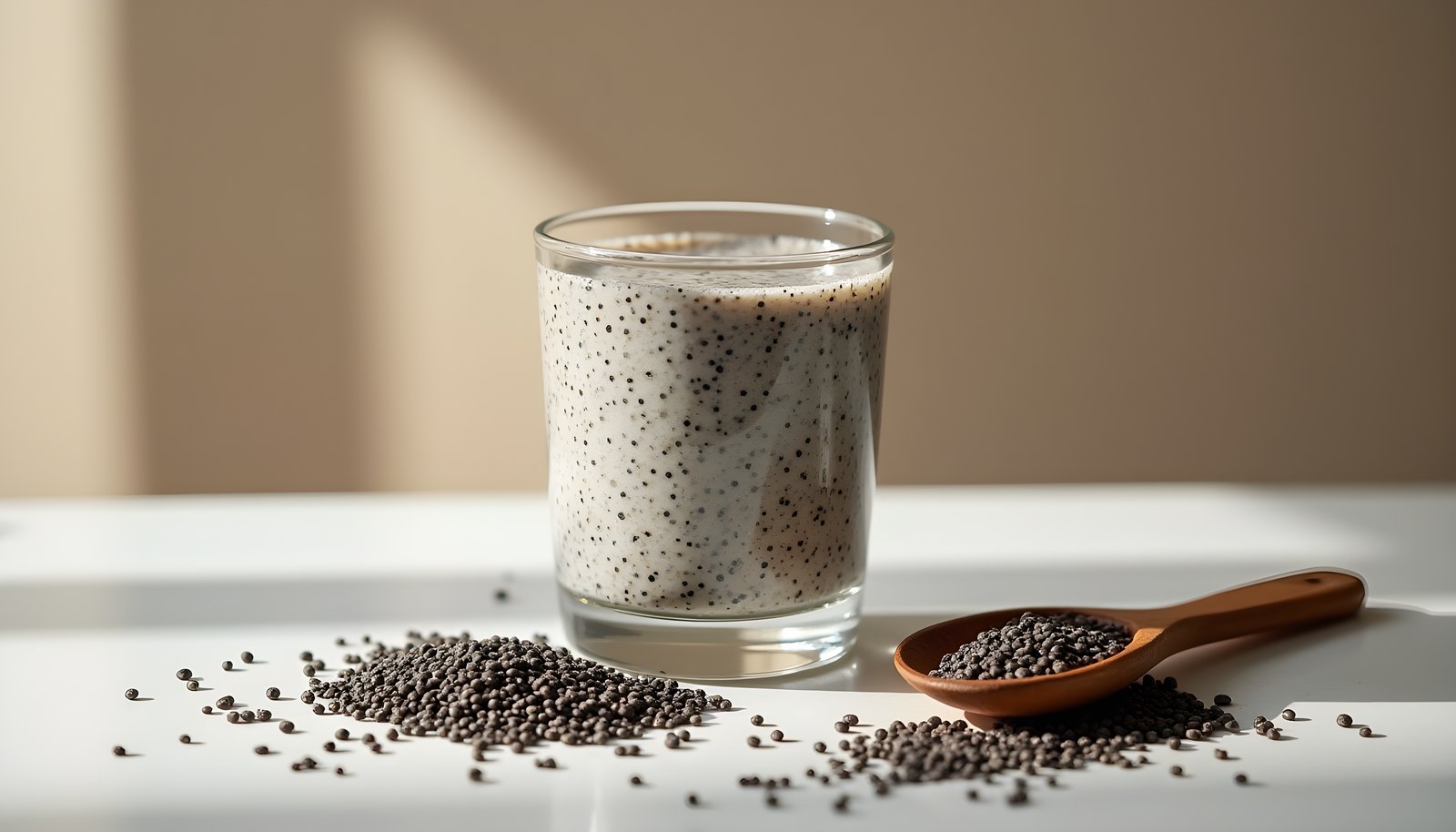
Chia seeds fiber makes up about a third of the seed by weight, 34.4 grams per 100 grams, which beats every other popular superfood on density. Per calorie, raspberries still win, and packaged chia drinks keep most of the fiber but add sugar.
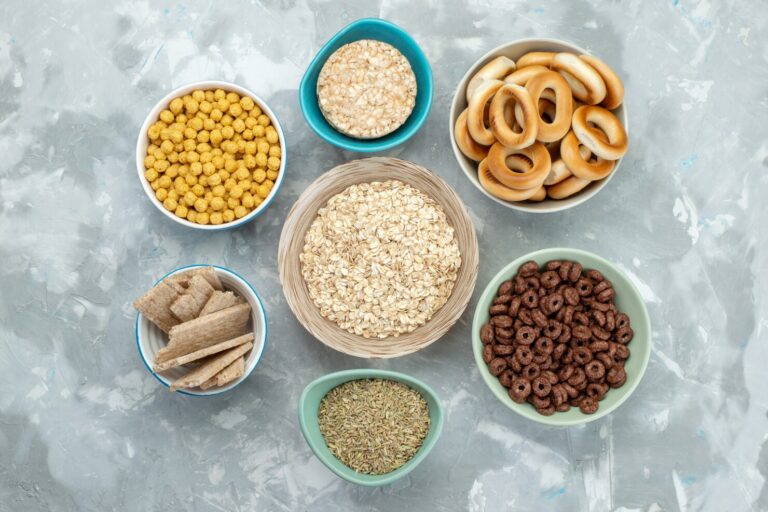
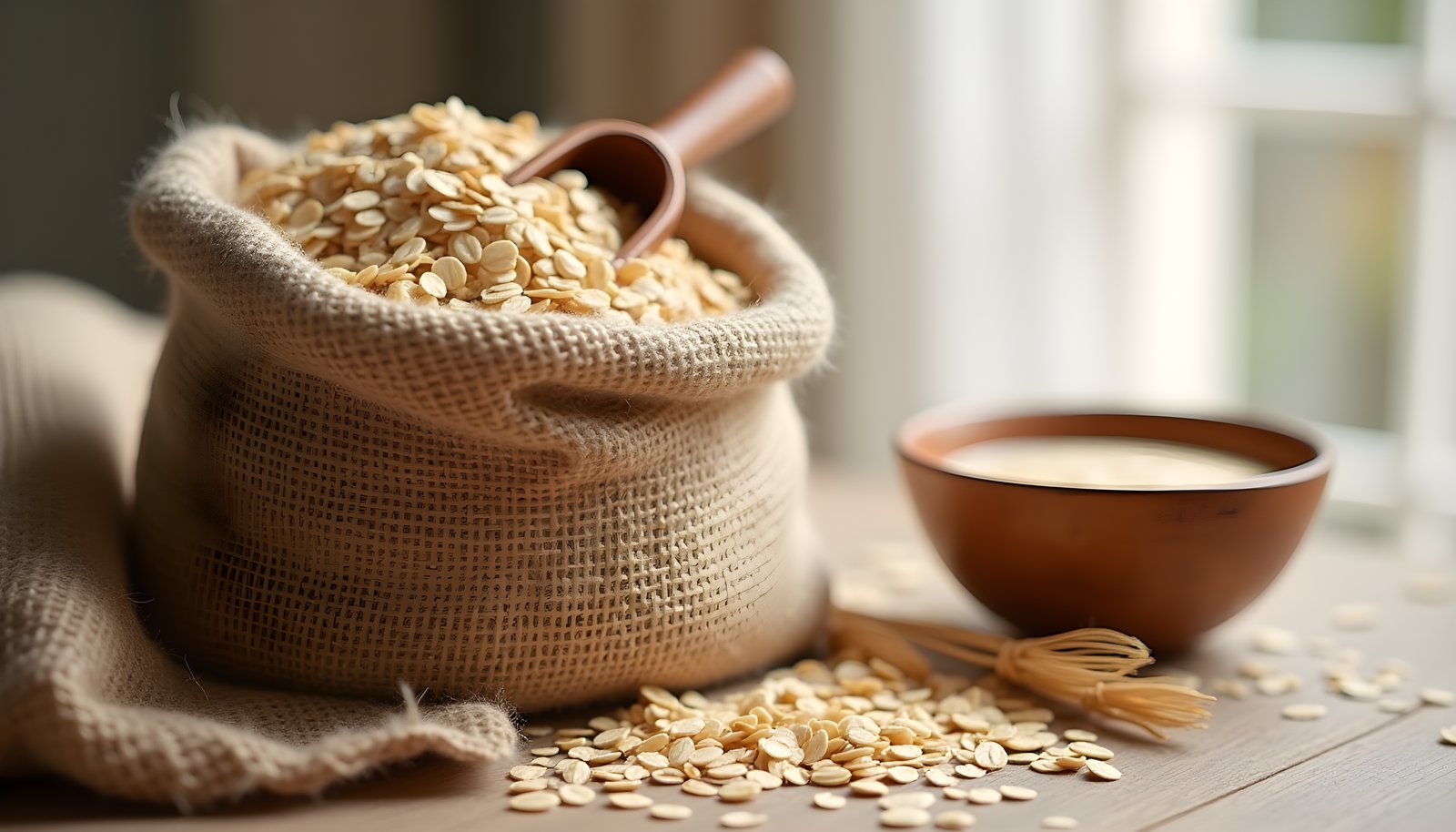
Oats fiber content is about 4 grams in half a cup of dry rolled oats, which is modest next to chia or oat bran. What sets oats apart is an FDA heart health claim built on 3 grams of beta-glucan a day, and you can hit it with one measured bowl.
Sweet potato fiber comes to about 3.8 grams in a medium baked sweet potato, with only 103 calories. Fries and chips pack more fiber per gram once the water cooks out, but far less per calorie, so the baked potato stays the best fiber value.
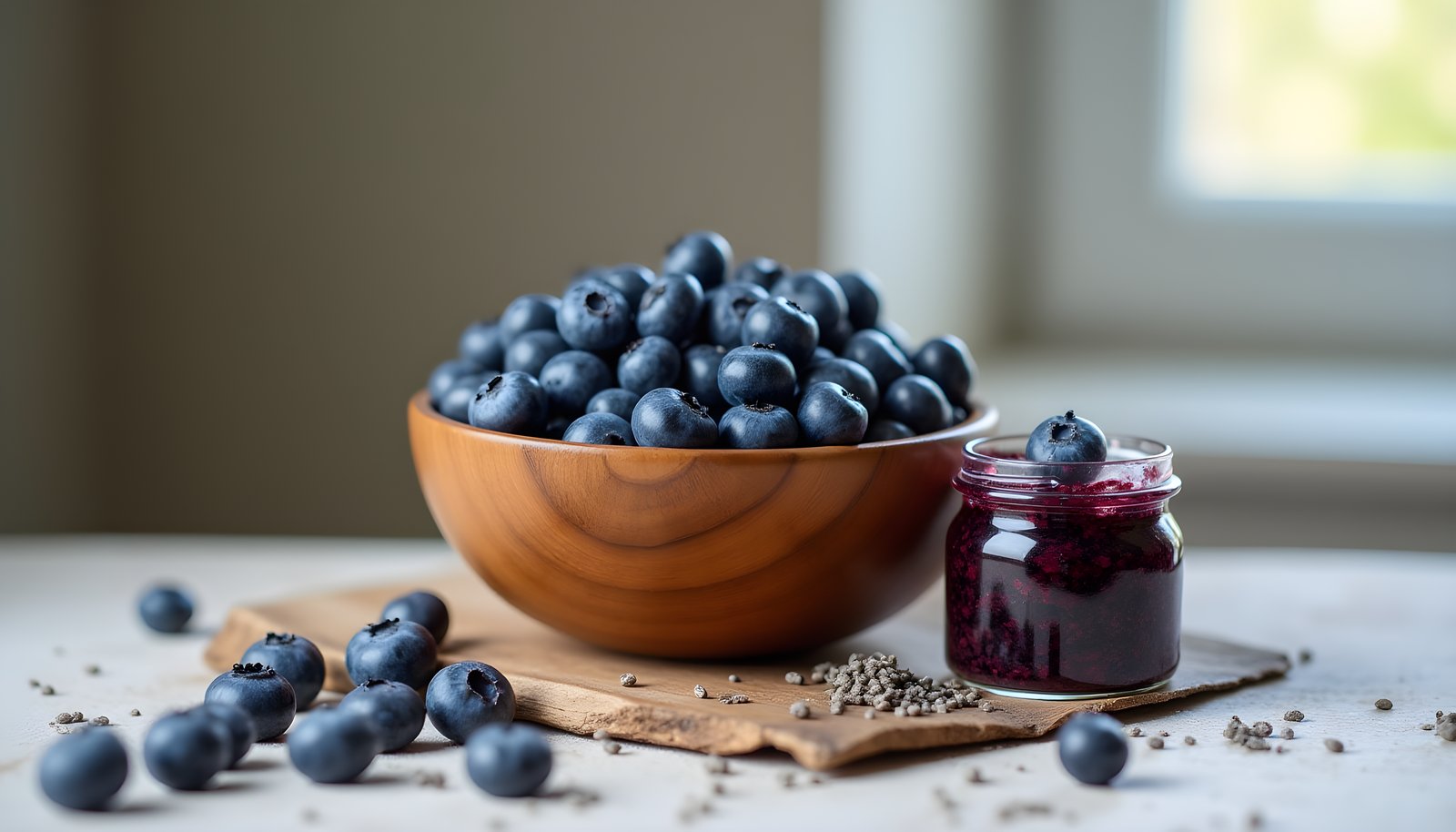
Blueberries fiber comes to about 3.6 grams in a cup of fresh berries and 4.2 grams in a cup of frozen ones. Blueberry muffins, jam and fruit yogurt keep the name but little of that fiber, so the whole berry is where the superfood value lives.
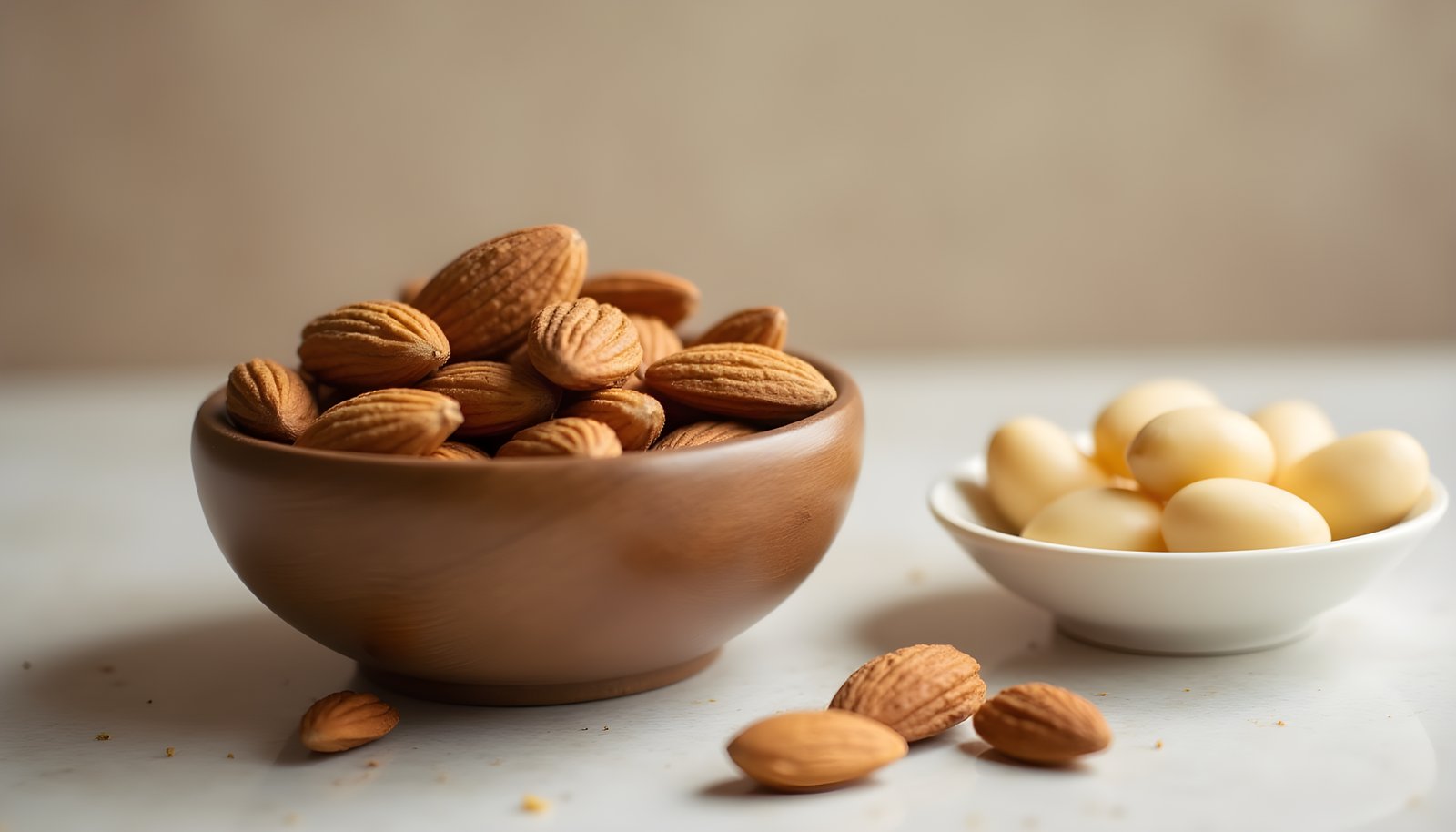
Almonds fiber content is about 3.5 grams per ounce with the skin on, but blanched almonds drop to about 2.8 grams. Here’s what that ounce delivers for your heart, your snacks and your baking, and where almonds beat or trail popcorn, chips and flour.