
In this article
- Lupini bean pasta fiber: three boxes, three answers
- Why lupini pastas spread so far apart
- Myth vs fact: lupini pasta and gluten
- Low carb pasta fiber: how lupini compares
- Lupini pasta nutrition beyond fiber
- Lupini vs other plant protein pasta
- Lupini pasta vs a jar of lupini beans
- A note for anyone with a peanut allergy
- Before you buy a box
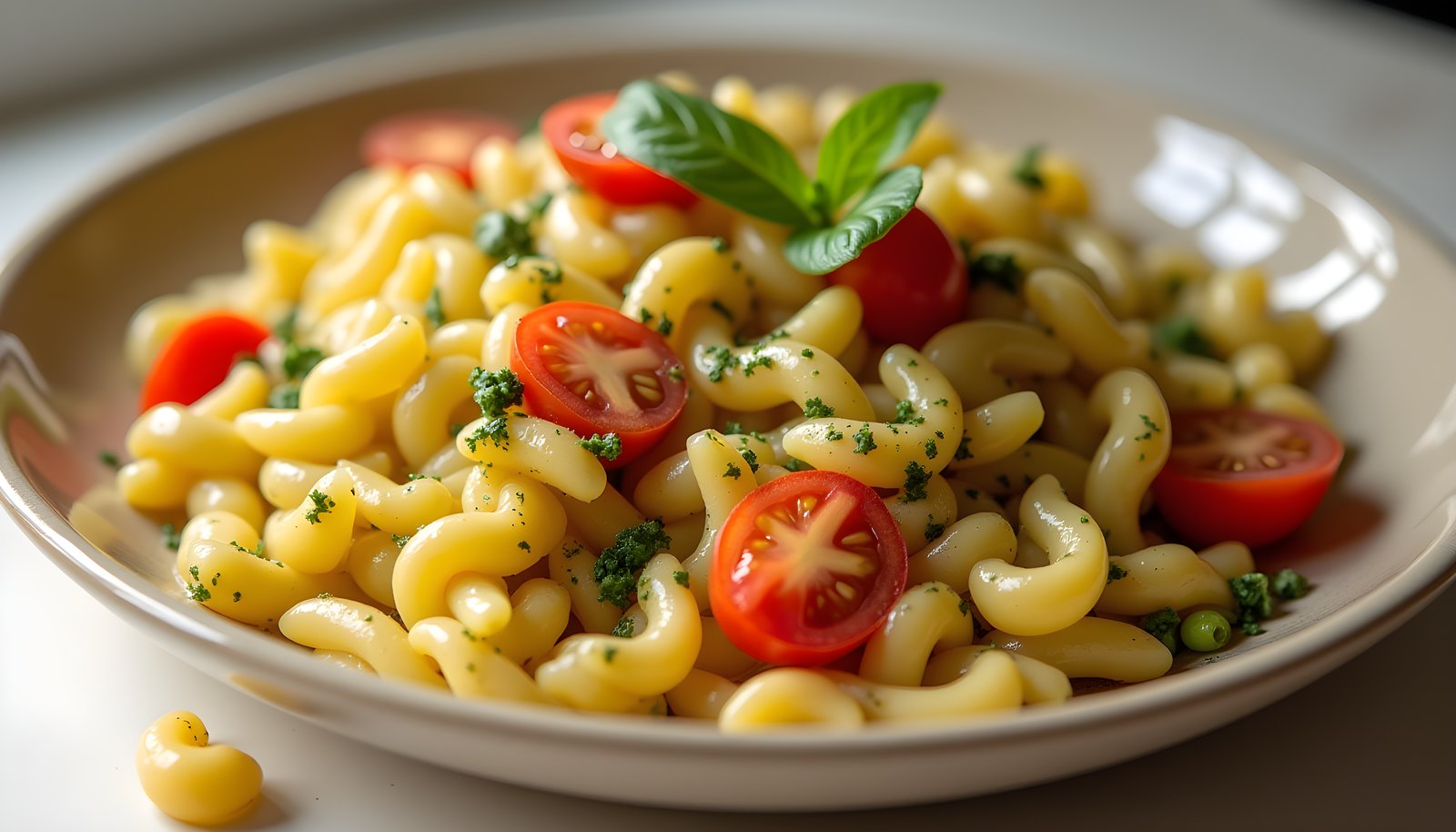
- Putting lupini pasta on the plate
- Read one ingredient line this week
- Lupini pasta questions
- Sources
Twelve grams, six grams or two grams. That’s the spread in lupini bean pasta fiber per 2 ounce dry serving across three boxes in USDA FoodData Central, and the gap comes down to how much lupini each one actually contains.
The best of them rival edamame pasta. The weakest has less fiber than classic spaghetti, so the word “lupini” on the front tells you very little until you read the ingredient line.
Lupini bean pasta fiber: three boxes, three answers
Here’s what each manufacturer reported to USDA, per 56 gram dry serving:
| Pasta | Ingredients, in order | Calories | Fiber | Protein | Carbs |
|---|---|---|---|---|---|
| Lupii Mighty Lupini Bean Penne | Sweet lupini flour, chickpea flour, tapioca, xanthan gum | 160 | 12 g | 14 g | 29 g |
| Brami Classic Italian Penne | Semolina durum wheat, lupini beans | 200 | 6 g | 12 g | 35 g |
| Biaglut Gluten Free Spaghetti | Corn and potato starch, lupin flour, mono and diglycerides | 200 | 2 g | 3 g | 43 g |
| Barilla Classic Spaghetti (for comparison) | Semolina | 200 | 3 g | 8 g | 41 g |
Lupii’s 12 grams covers about 43% of the FDA’s 28 gram Daily Value in one serving, and its elbows and rotini records list the same 160 calories. Brami lands at 21%, the same as a whole grain wheat box.
Biaglut’s 2 grams is about 7%. That’s below the 3 grams in plain semolina spaghetti, even with lupin flour on the label.
Why lupini pastas spread so far apart
Ingredients are listed by weight, heaviest first, so the order on the box tells the story. Lupii leads with sweet lupini flour and backs it with chickpea flour, two legumes that both bring fiber and protein.
Brami leads with semolina and adds lupini second. The lupini roughly doubles the fiber of plain wheat pasta, but it’s still a wheat pasta at heart.
Biaglut is built mainly on corn and potato starch, with lupin flour in a supporting role. Starch brings calories and carbohydrate but very little fiber, which is why the total stays so low.
The FDA notes that lupin flour is turning up more often in pasta and gluten free products. As more brands use it, expect the same range: some boxes will be mostly lupini, others will use it as a minor ingredient.
Myth vs fact: lupini pasta and gluten
Myth: Any pasta made with lupini beans is gluten free.
Fact: Brami’s penne lists semolina durum wheat as its first ingredient, so it contains gluten. Wheat is one of the nine major food allergens the FDA requires on labels, so it will be declared.
Myth: A gluten free lupin pasta must be a high fiber pasta.
Fact: Biaglut’s gluten free spaghetti lists 2 grams of fiber. Lupii’s lupini and chickpea penne is the one in this group that’s both wheat free and high in fiber.
Low carb pasta fiber: how lupini compares
For people watching carbohydrates, total carbs only tell half the story. Subtracting fiber shows how much starch and sugar are left per serving:
- Lupii lupini penne: 29 g total, 12 g fiber, about 17 g left
- Brami penne: 35 g total, 6 g fiber, about 29 g left
- Biaglut spaghetti: 43 g total, 2 g fiber, about 41 g left
- Barilla Classic Spaghetti: 41 g total, 3 g fiber, about 38 g left
Lupii cuts the remaining carbohydrate by more than half compared with classic spaghetti. Brami trims some, and Biaglut is actually a little higher than regular pasta.
If low carb is your main goal, soy based pastas go further still. Explore Cuisine’s edamame spaghetti lists 20 grams of total carbs with 13 grams of fiber, leaving about 7.
Lupini pasta nutrition beyond fiber
Protein follows the same pattern as fiber. Lupii lists 14 grams per serving, Brami 12 grams and Biaglut just 3.
Lupii is also the lightest of the group at 160 calories, compared with 200 for the others. Its record lists 590 milligrams of potassium, about 13% of the Daily Value, and 2 milligrams of iron.
Brami lists 260 milligrams of potassium and 1 milligram of iron. Sodium is low across all three, at 5 to 20 milligrams per serving.
Fat stays at 1 to 3 grams per serving and saturated fat at zero in all three records. The real differences between these boxes are fiber, protein and calories, not fat or salt.
Choosing between lupini, edamame and chickpea boxes? Our comparison charts line up the main contenders on one page.
Lupini vs other plant protein pasta
Lupini pasta is part of a growing shelf of legume pastas. Here’s how the strongest lupini box compares with other styles, using USDA branded records:
| Pasta | Fiber | Protein | Fiber per 100 calories |
|---|---|---|---|
| Explore Cuisine Edamame Spaghetti | 13 g | 24 g | 7.2 g |
| Lupii Mighty Lupini Bean Penne | 12 g | 14 g | 7.5 g |
| Barilla Chickpea Spaghetti | 8 g | 12 g | 4.2 g |
| Barilla Red Lentil Penne | 6 g | 14 g | 3.2 g |
| Brami Classic Italian Penne | 6 g | 12 g | 3.0 g |
| Barilla Whole Grain Spaghetti | 6 g | 8 g | 3.3 g |
| Barilla Classic Spaghetti | 3 g | 8 g | 1.5 g |
Per calorie, Lupii’s penne edges past edamame pasta on fiber, thanks to its lower calorie count. Edamame keeps a clear lead on protein.
Mayo Clinic’s fiber chart lists a cup of cooked whole wheat spaghetti at 6 grams. Lupii doubles that, while Brami matches it.
Lupini pasta vs a jar of lupini beans
Whole lupini beans are a different kind of fiber food, and the official numbers don’t fully agree. The Dietary Guidelines list a half cup of cooked lupini at 7.8 grams of fiber for 115 calories, while USDA’s own food composition record lists only 4.7 grams in a full cup.
Either way, a serving of Lupii’s penne lands in the same range or higher, at 12 grams for 160 calories.
The calorie gap is worth noticing too. Two ounces of dry Lupii pasta at 160 calories is a standard pasta portion, and it delivers 12 grams of fiber for 40 fewer calories than a serving of classic spaghetti.
The jarred beans make a good snack or salad topping, while the pasta lets you eat lupini as a main course. Neither one replaces the other.
A note for anyone with a peanut allergy
The FDA explains that lupin belongs to the same plant family as peanuts, and people allergic to peanuts may also react to lupin. Reactions can be serious.
Lupin isn’t one of the nine major allergens that must be declared on U.S. labels, so the only way to know is to read the ingredient list for “lupin” or “lupini.” If anyone in your household has a peanut allergy, treat a lupini pasta the way you would a new peanut product and read every label, every time.
Lupii’s penne also contains chickpea flour, which matters for people who react to chickpeas. The full ingredient line is the only reliable guide, since front of box names highlight just one legume.
Before you buy a box
A quick checklist for the pasta aisle:
- First ingredient: lupini or lupin flour, not semolina or starch
- Fiber line: 10 grams or more per 2 ounce serving puts it in the top tier
- Gluten: check for wheat or semolina if you need a gluten free pasta
- Serving size: compare at 56 grams so the numbers line up
- Allergies: look for lupin if anyone at your table is allergic to peanuts
Mayo Clinic suggests increasing fiber gradually over a few weeks and drinking plenty of fluids. Going from a 3 gram pasta to a 12 gram one is a big jump, so a smaller portion the first time makes sense.
Putting lupini pasta on the plate
Like other legume pastas, lupini pasta can turn soft if it sits in the cooking water too long. A few simple habits help it keep its bite:
- Bring a large pot of water to a full boil before the pasta goes in
- Stir once or twice in the first minute so pieces don’t stick together
- Taste a couple of minutes before the package time
- Save a splash of cooking water to loosen the sauce
Lupini pasta has a mild, slightly nutty flavor and a firm bite. Bold, simple sauces suit it well:
- Tomato, olive and caper sauce
- Roasted red pepper and garlic
- Lemon, olive oil and parsley with white beans
- Mushroom and thyme with a little parmesan
Adding vegetables raises the fiber further. The Dietary Guidelines list a cup of cooked broccoli at 5.2 grams, so Lupii’s penne with a cup of broccoli comes to about 17 grams.
Need fresh ideas for bean based pasta nights? Our recipe eBooks are stocked with easy high-fiber dinners.
Read one ingredient line this week
Next time you’re in the pasta aisle, pick up any box that says lupini and read just the first ingredient. If it’s lupini flour, you’re likely holding one of the highest fiber pastas on the shelf.
If it’s semolina or starch, compare the fiber line before it goes in your cart. That five second check is the difference between 12 grams and 2.
Lupini pasta questions
How much fiber is in lupini bean pasta?
It depends on the brand. Lupii’s lupini penne lists 12 grams per 2 ounce serving, Brami lists 6 grams and Biaglut’s lupin blend lists 2 grams.
Is lupini pasta gluten free?
Not always. Brami’s penne is made with semolina durum wheat, while Lupii’s penne uses lupini, chickpea flour and tapioca with no wheat.
Is lupini pasta low carb?
Some is lower in carbs than wheat pasta. Lupii’s penne has 29 grams of total carbohydrate with 12 grams of fiber, compared with 41 grams in classic spaghetti.
How much protein is in lupini pasta?
Lupii’s penne lists 14 grams of protein per serving and Brami lists 12 grams. Classic wheat spaghetti has 8 grams.
Can you eat lupini pasta with a peanut allergy?
Be cautious. The FDA notes that people allergic to peanuts may also react to lupin, and lupin isn’t a required allergen label in the U.S.
Is lupini pasta healthier than chickpea pasta?
The best lupini pasta has more fiber. Lupii’s penne lists 12 grams per serving, while Barilla Chickpea Spaghetti lists 8, though protein is similar at 12 to 14 grams.
What does lupini pasta taste like?
It tastes mild and slightly nutty, with a firm bite. It pairs well with tomato, garlic, lemon and mushroom sauces.
Sources
- U.S. Department of Agriculture, Agricultural Research Service. “Branded Foods: Lupii Mighty Lupini Bean Penne Pasta (2612379), Elbows (2612380) and Rotini (2612381); Brami Classic Italian Pasta Penne (2554655); Biaglut Gluten Free Pasta Made with Corn, Potato and Lupin, Spaghetti (2210152); Explore Cuisine Organic Edamame Pasta Spaghetti (2609055); Barilla Chickpea Spaghetti (2598847); Barilla Red Lentil Penne (2598839); Barilla Whole Grain Spaghetti (2549623); Barilla Classic Spaghetti; and Lupins, mature seeds, cooked, boiled.” FoodData Central. 2020 to 2023. fdc.nal.usda.gov
- U.S. Food and Drug Administration. “Dietary Fiber.” Interactive Nutrition Facts Label. 2021. accessdata.fda.gov
- U.S. Food and Drug Administration. “Consumer Advice on Lupin.” 2018. fda.gov
- U.S. Food and Drug Administration. “Food Allergies: What You Need to Know.” 2023. fda.gov
- U.S. Department of Agriculture and U.S. Department of Health and Human Services. “Food Sources of Dietary Fiber.” Dietary Guidelines for Americans, 2020 to 2025. 2020. dietaryguidelines.gov
- Mayo Clinic Staff. “Chart of high-fiber foods.” Mayo Clinic. 2025. mayoclinic.org