Discover the most popular fiber articles this week. From gut health to weight loss, these trending reads are backed by science and chosen by our community.
How Much Fiber Do You Actually Need?
Most people have no idea. Enter your age, gender, and activity level — get your personalized daily target in seconds.
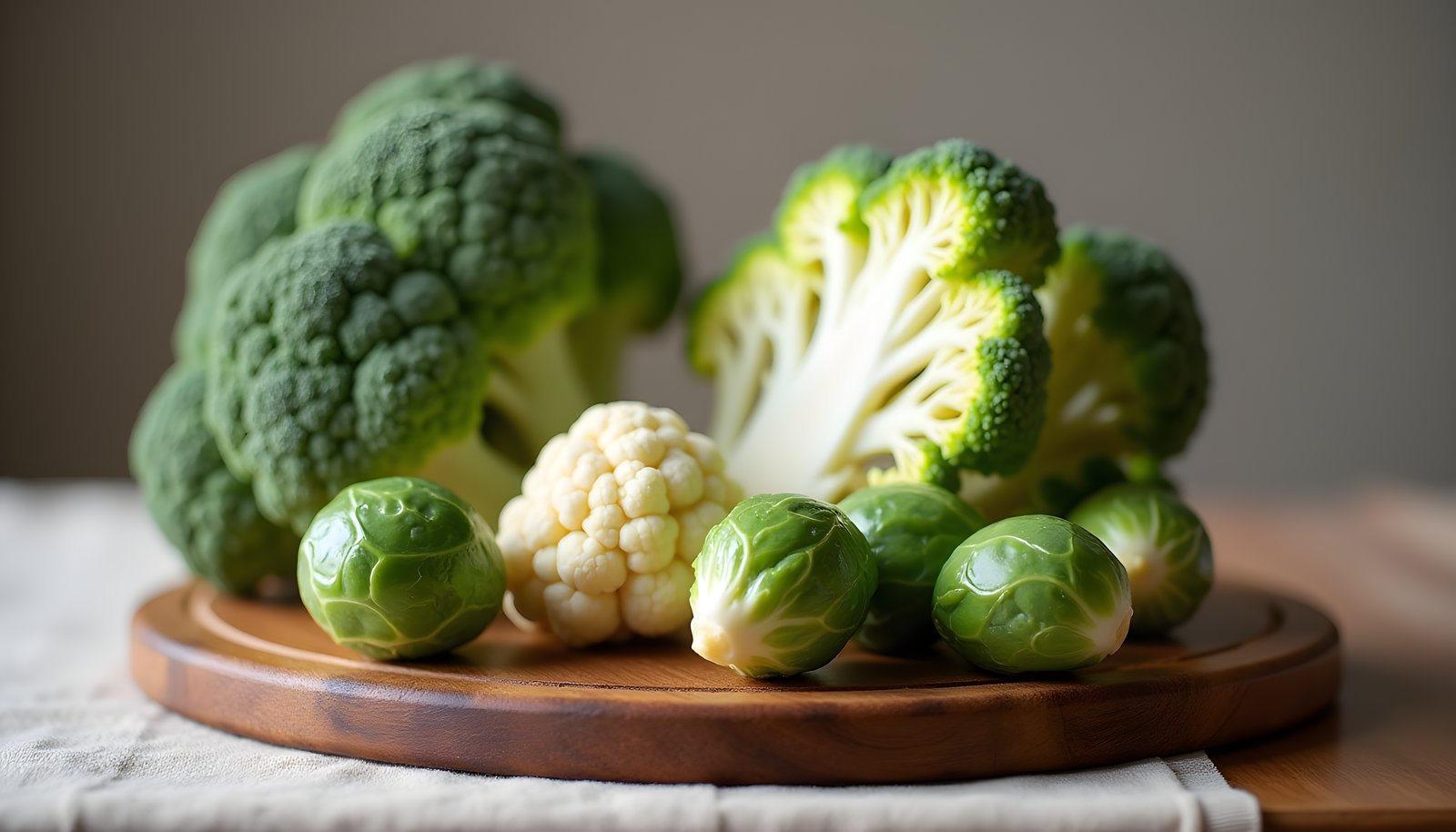
Cruciferous vegetables fiber ranges widely: a cooked cup of Brussels sprouts has 6.4 grams, broccoli 5.2 and cauliflower 4.9, while a cup of raw bok choy has under 1 gram. Here’s every common crucifer ranked, plus how cooking and portion size change the numbers.
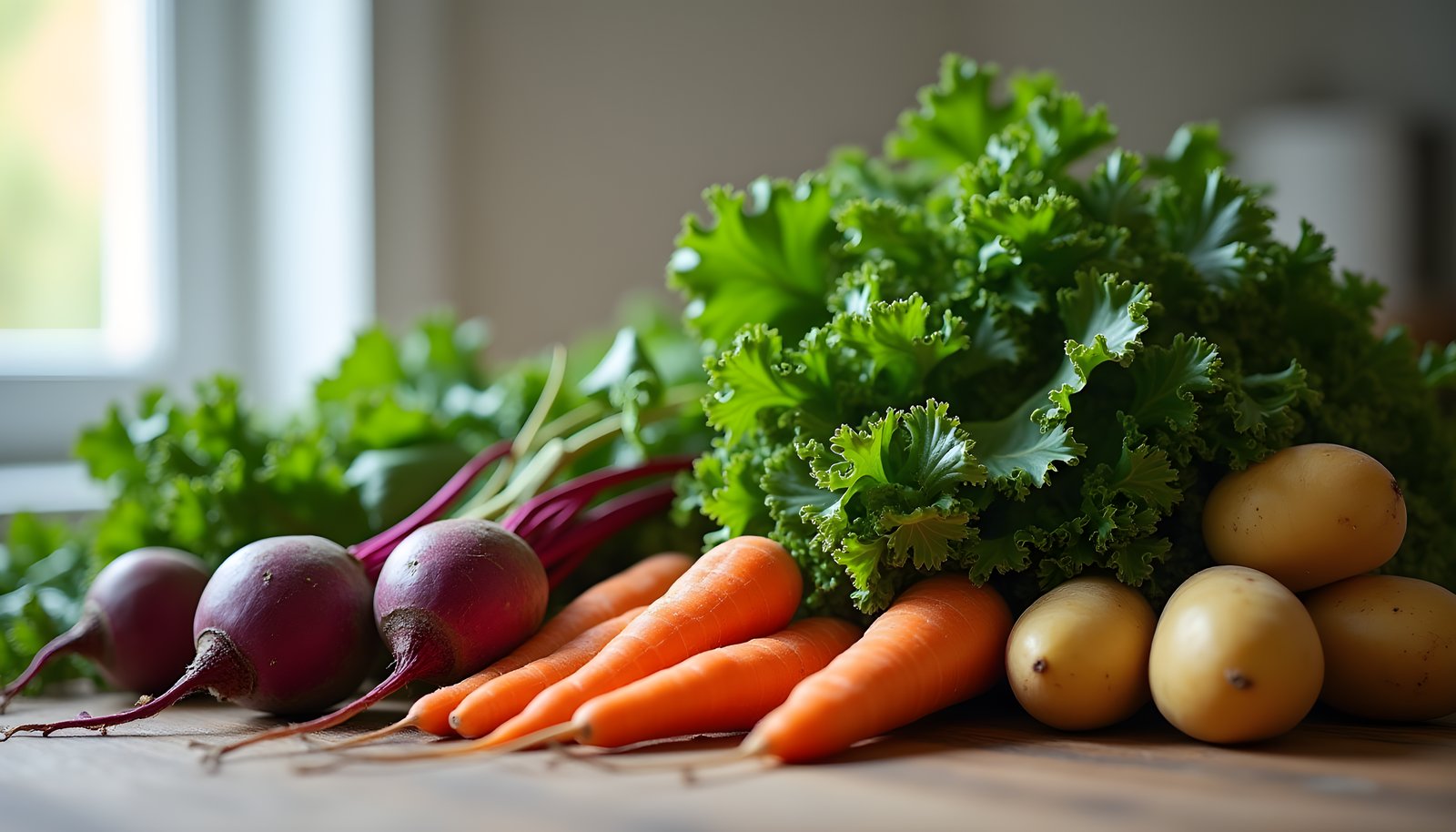
On leafy greens vs root vegetables fiber, the answer flips depending on how you measure: cup for cup, roots like parsnips and sweet potatoes win with over 6 grams, but per calorie, cooked greens like turnip greens deliver more than five times the fiber. Here’s how they compare and when each makes sense.
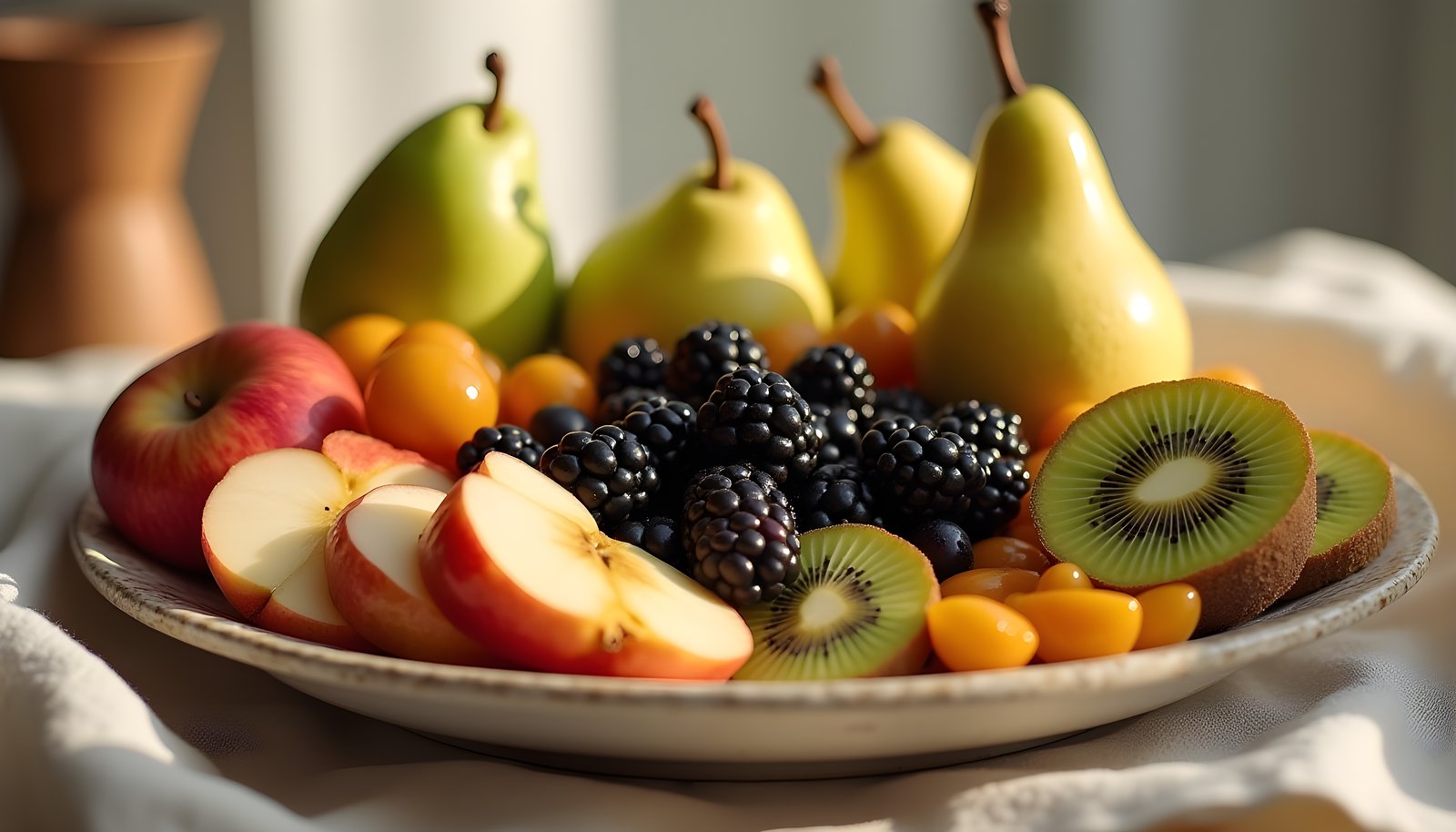
A seasonal fruits high fiber plan works all year, not just in berry season: summer raspberries lead with 8 grams per cup, while winter pears, kiwifruit and grapefruit each bring around 5 grams. Here’s the best fiber fruit in every season, and how to fill the gaps.
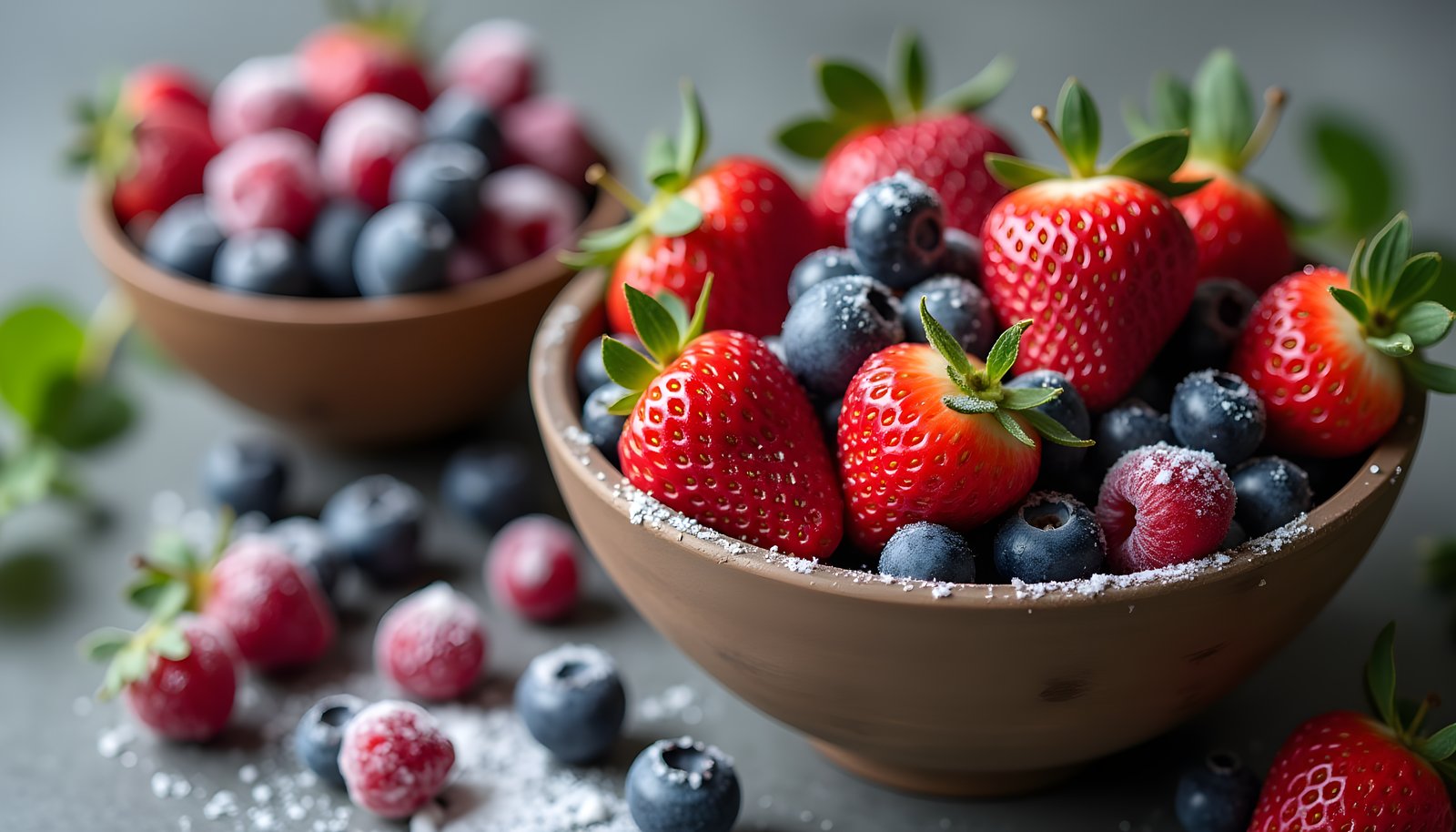
On frozen vs fresh fruit fiber, freezing leaves fiber largely intact: a cup of frozen blackberries has 7.6 grams, the same as fresh. Small differences come from cup weight and sampling, and unsweetened frozen fruit is a reliable, budget friendly fiber source.
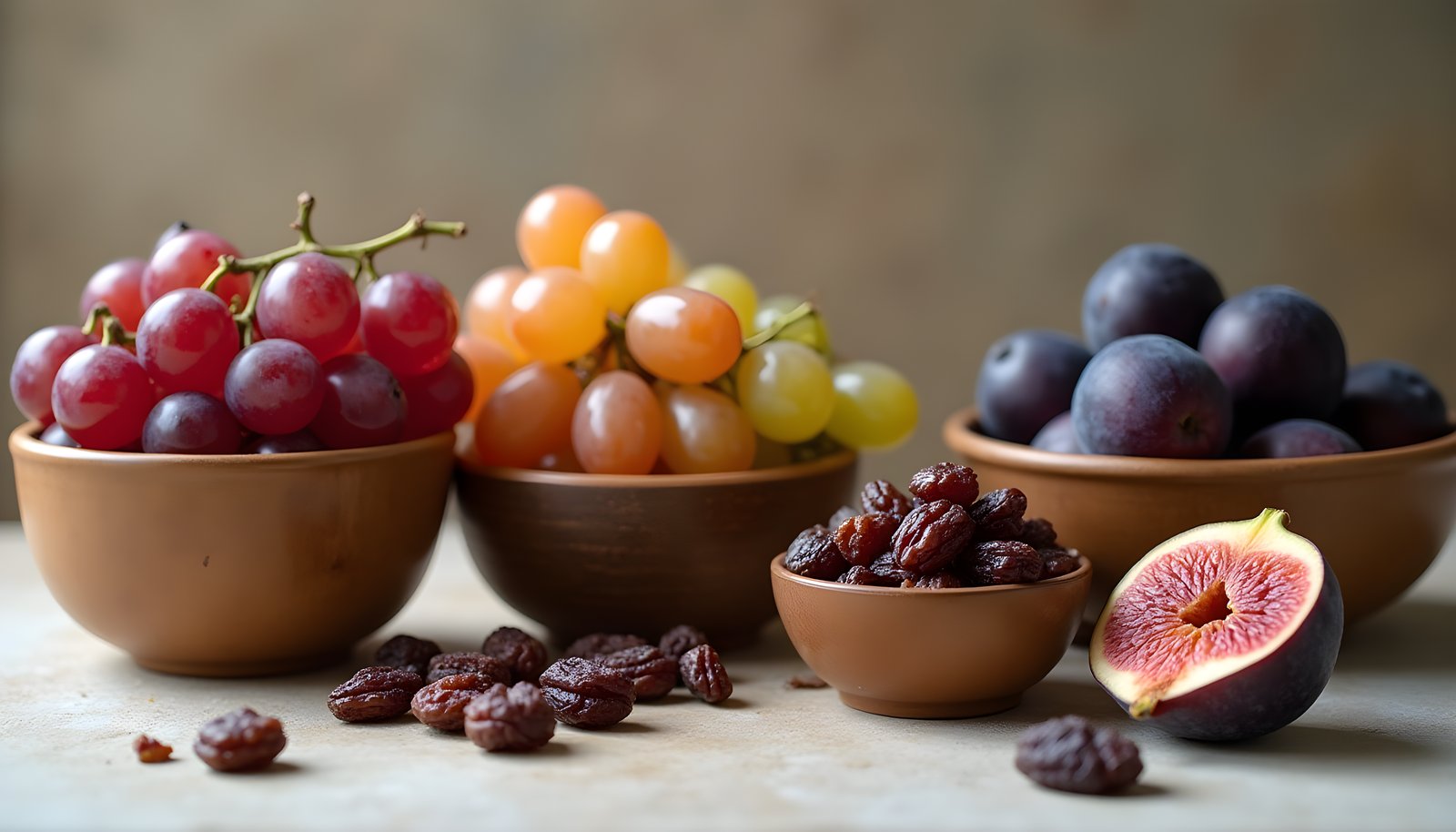
On fresh vs dried fruit fiber, drying doesn’t add or destroy fiber, it removes water, so dried fruit has two to six times more fiber per gram. Per calorie, most unsweetened dried fruits stay close to fresh, while sweetened ones like dried mango and cherries fall far behind.
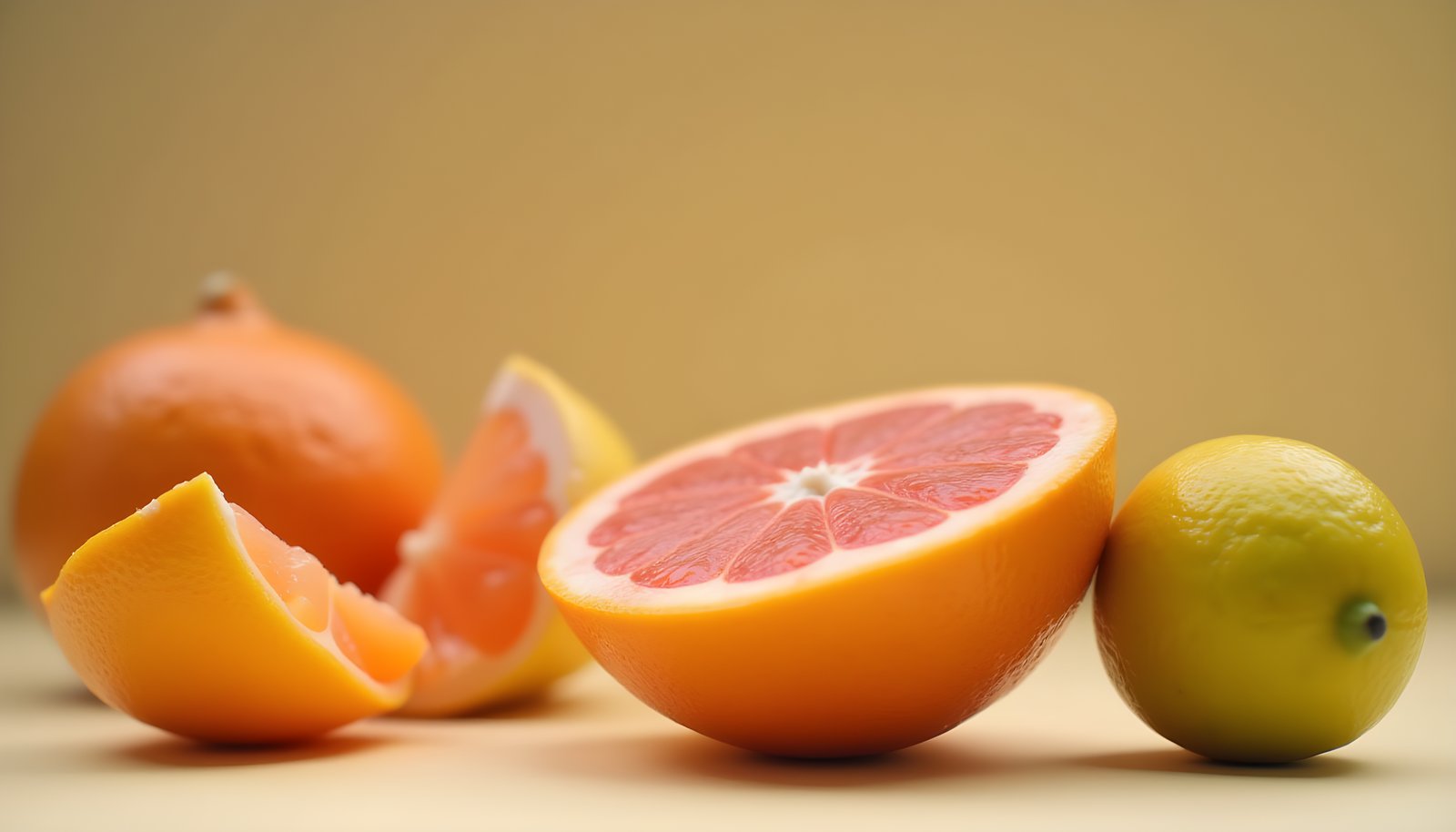
In a citrus fruits fiber comparison, a whole orange leads everyday picks with about 3 grams, but kumquats win per bite at 6.5 grams per 100 grams because you eat the peel. Lemons and limes are surprisingly fiber dense, while their juice keeps almost none.
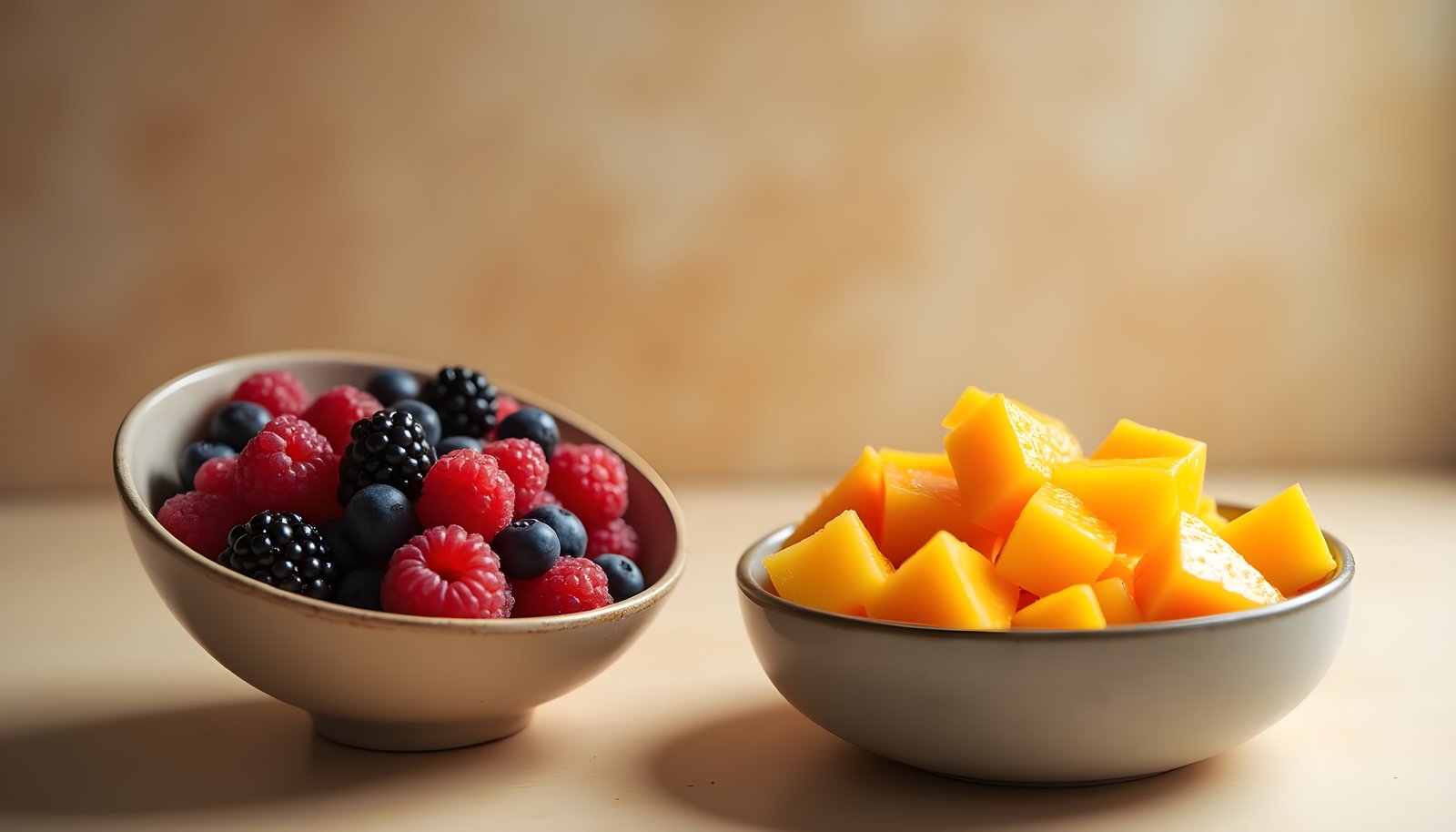
On berries vs tropical fruits fiber, raspberries and blackberries win per calorie with about 8 grams a cup for roughly 60 calories. Guava and passion fruit match or beat them per serving, while mango and pineapple trail with under 3 grams a cup.
Chicory coffee fiber starts strong: dried chicory root is about 80% inulin, a prebiotic fiber. Roasting breaks much of that inulin down, and USDA lists brewed chicory drinks at 0 grams, so the benefits depend on how your chicory is made.
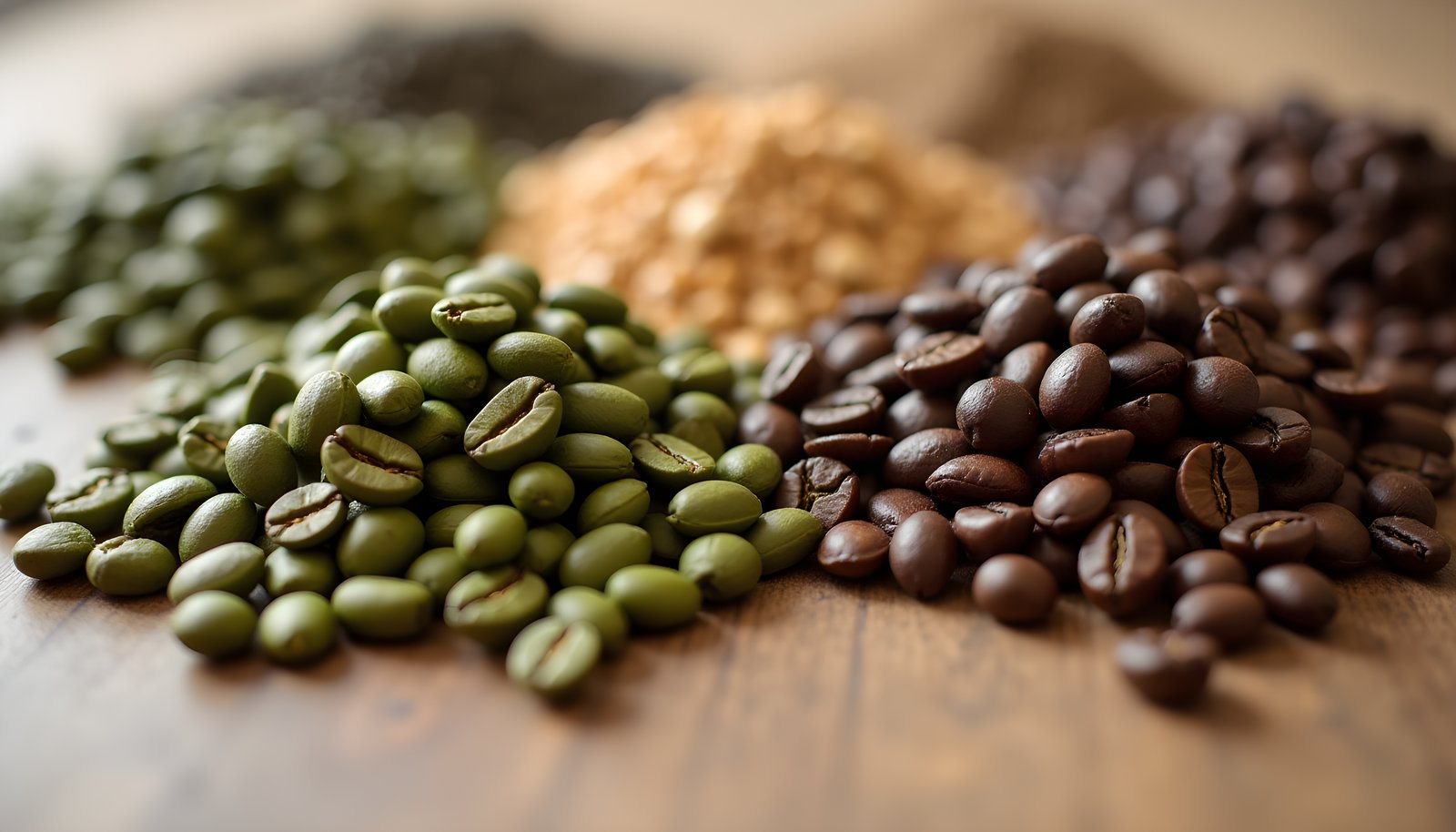
Arabica beans give the most fiber to your cup, but coffee beans fiber content peaks in the parts you throw away. Spent grounds hold 43 to 58% fiber and the papery silverskin up to 80%, while a brewed cup keeps only a small soluble share.
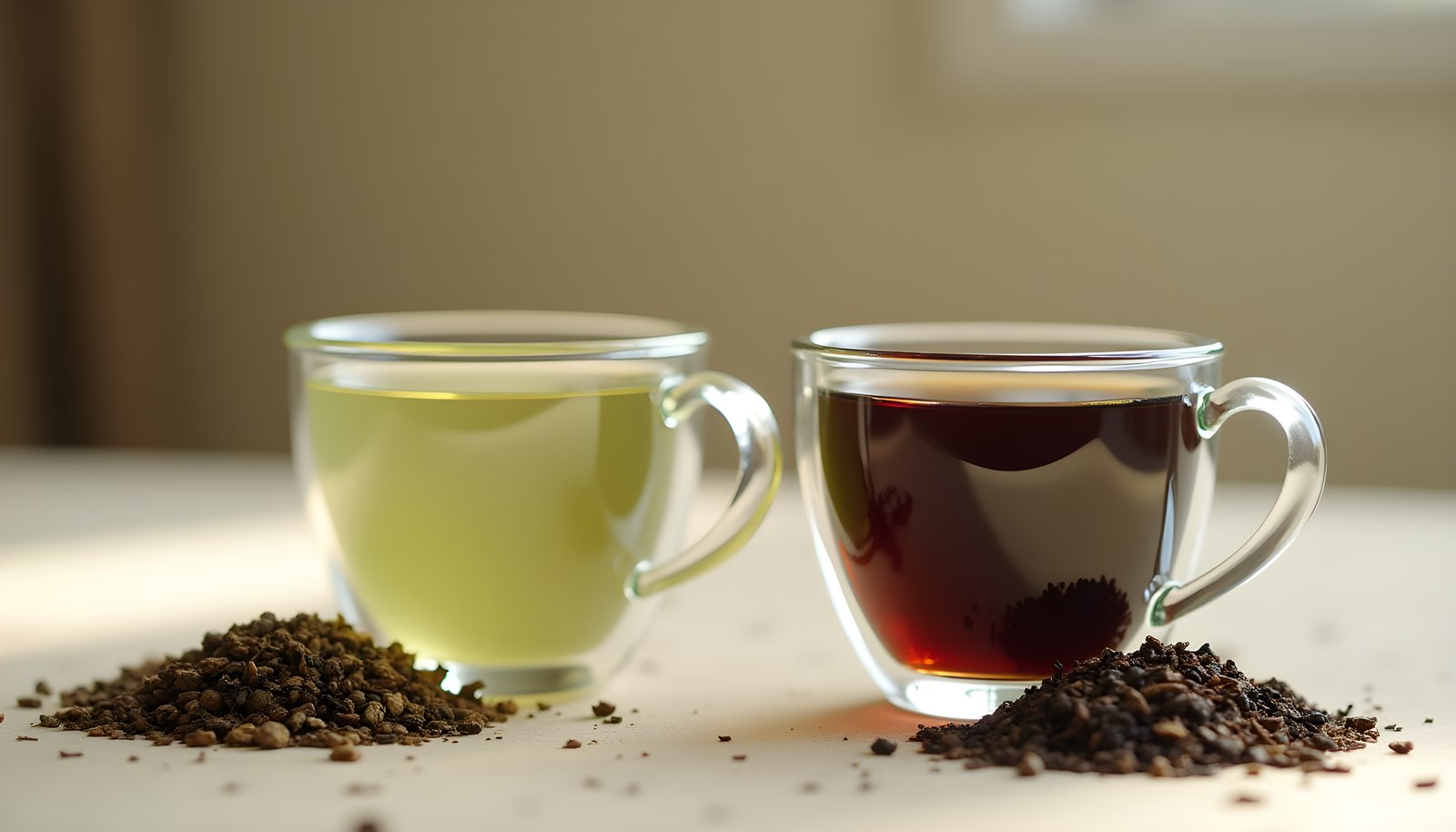
On green tea vs black tea fiber, it’s a tie in the cup: USDA lists 0 grams for both brewed teas. The difference lives in the dry leaf, where black tea carried more cell wall fiber and green tea more polyphenols, and only matcha brings leaf fiber into your mug.
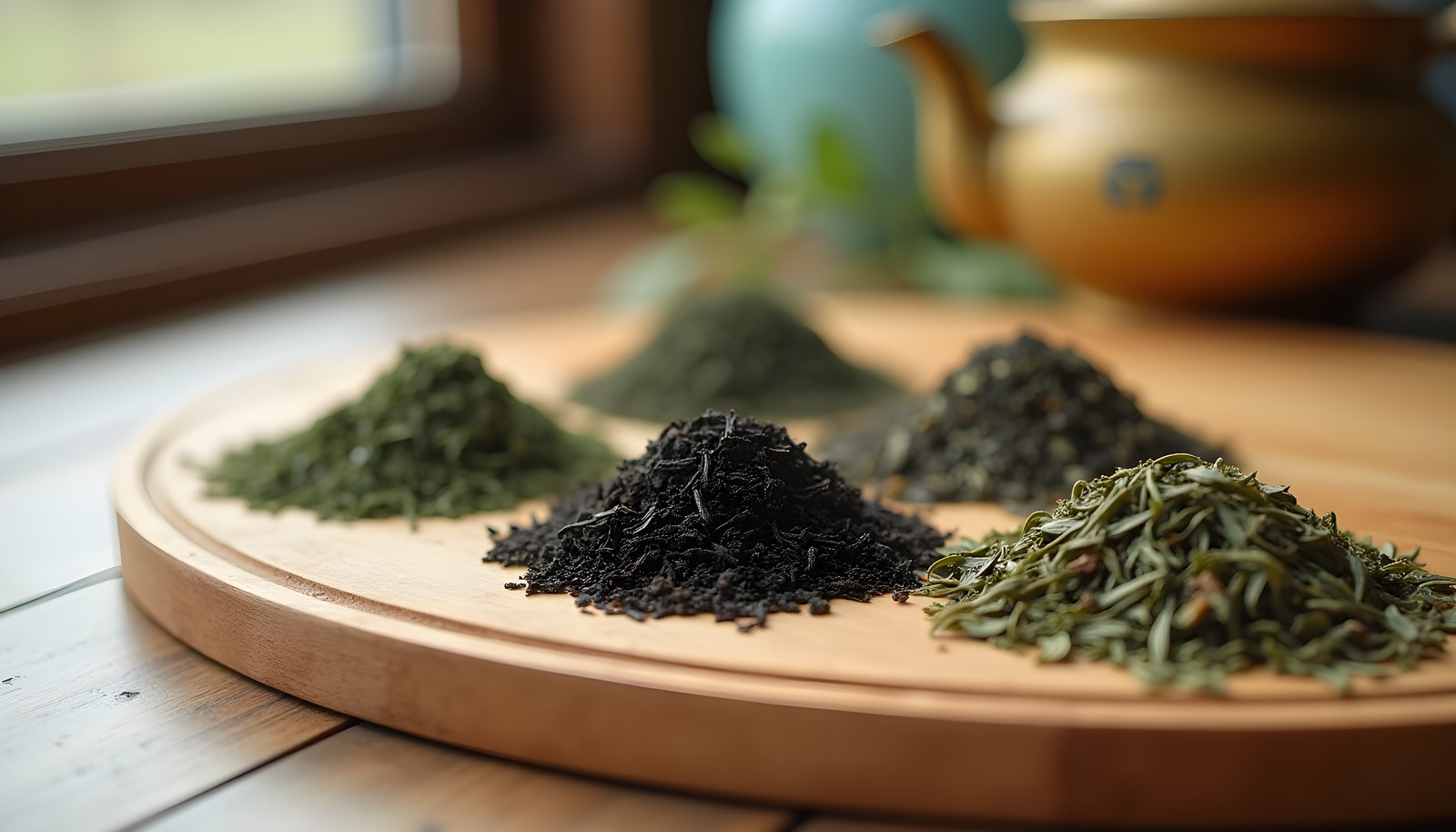
Matcha tops the list for tea leaves fiber content at about 56 grams per 100 grams, with black tea leaves close behind at roughly 50 to 54 grams. Every tea leaf is about half fiber when dry, but you only get it when you eat the leaf, as with matcha or Thai fermented tea.
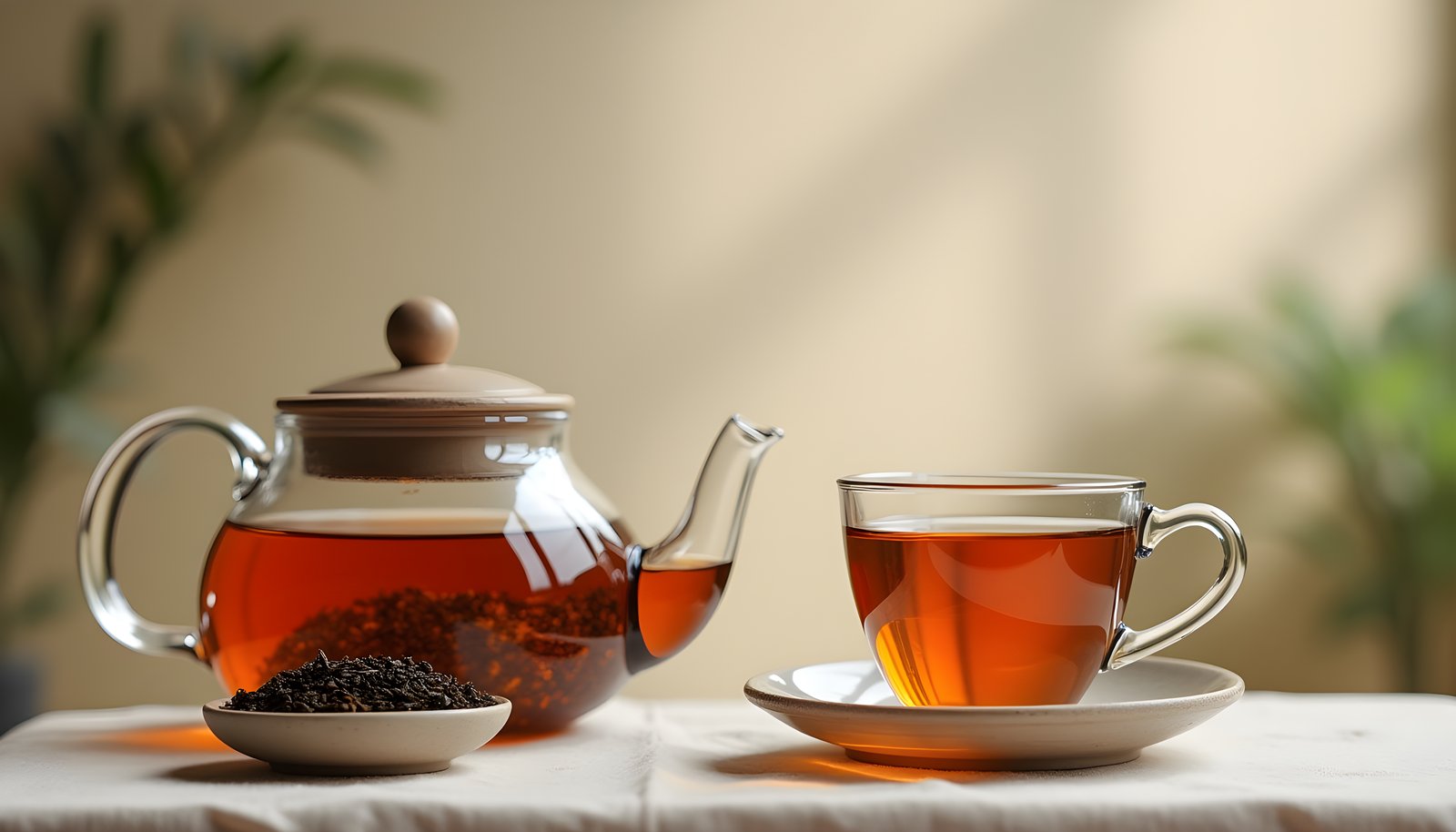
Brewed tea has no measurable fiber: USDA lists 0 grams per cup for black, green, oolong and herbal teas alike. The tea fiber content stays in the leaf, which is about half fiber by weight, so only teas where you consume the leaf itself, like matcha, carry any grams.
Free · 7-day starter guide
Get our Gut Reset Quick-Start when you subscribe
Join 47,000 readers getting the Weekly Fiber Digest — research roundups, recipes, and discounts every Thursday.