Discover the most popular fiber articles this week. From gut health to weight loss, these trending reads are backed by science and chosen by our community.
How Much Fiber Do You Actually Need?
Most people have no idea. Enter your age, gender, and activity level — get your personalized daily target in seconds.
The plant milk with most fiber is oat milk, with the best cartons listing about 2 grams per cup, and soy milk is close behind. Almond, rice, coconut, cashew and flax milks mostly sit under 1 gram.
Plant based creamer fiber is 0 grams per tablespoon in most bottles, even ones made from oats, almonds or cashews. The few that reach 1 gram get it from an added fiber such as chicory inulin, not from the plant on the front of the label.
Hemp milk fiber is under 1 gram per cup in most cartons, because it’s made from shelled hemp seeds that start with only about 1 gram per 3 tablespoons. One brand reaches 2 grams by adding oats, and the real draw of hemp seed is its omega 3 fat.
Rice milk fiber is under 1 gram per cup, with USDA listing about 0.7 grams and most Rice Dream cartons listing 0. Even brown rice versions lose the grain’s fiber, while many keep 11 to 13 grams of sugar per cup without any added sweetener.
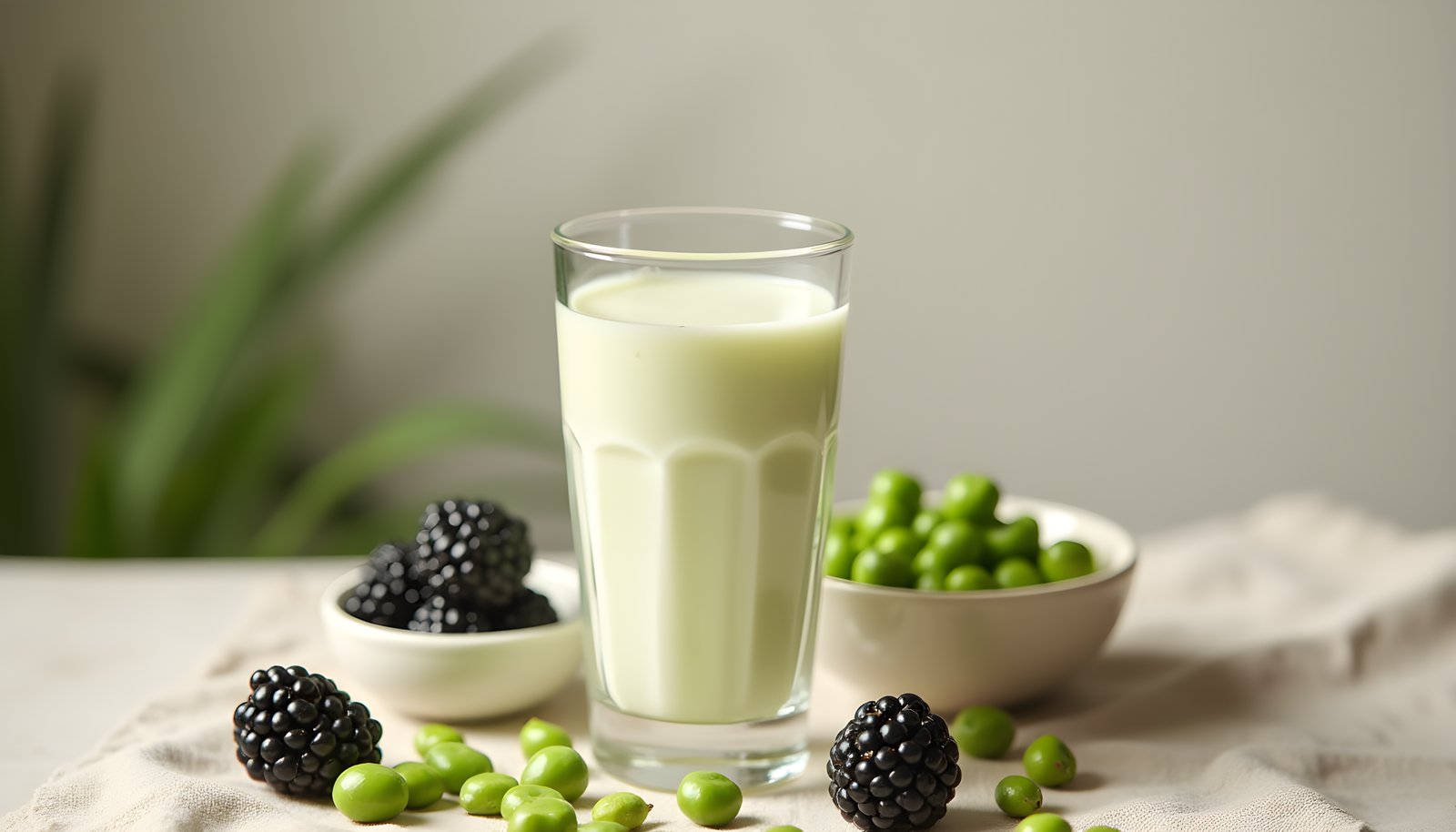
Pea milk fiber is under 1 gram per cup in Ripple’s main cartons, far below the 4.4 grams in half a cup of green peas. Its real benefit is protein: 8 grams per cup, plus high levels of added calcium and vitamin D.
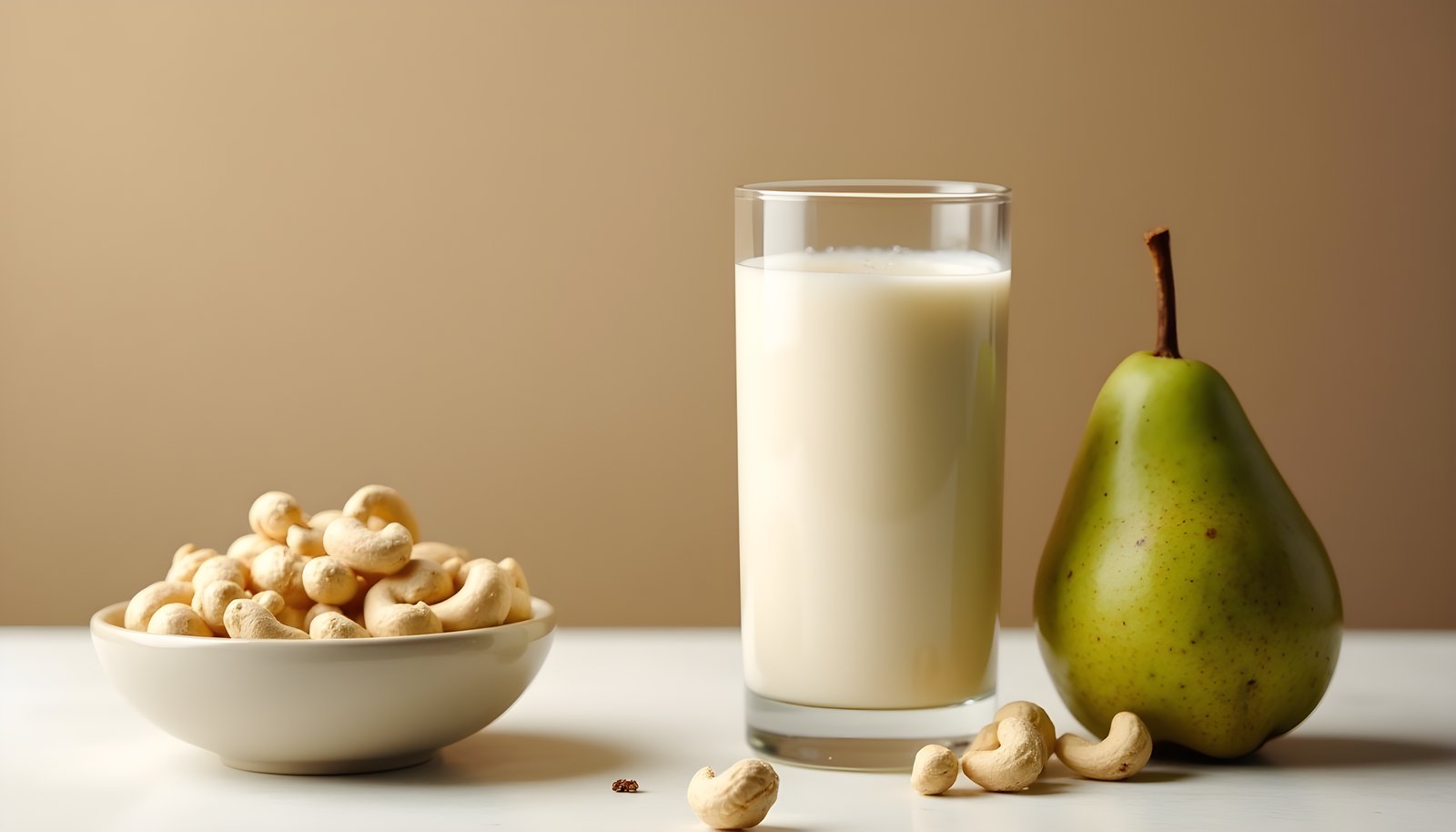
Cashew milk fiber is 0 grams per cup in every brand we checked, from light 25 calorie cartons to a rich barista version made from just cashews and water. That makes sense once you know whole cashews have under 1 gram per ounce to begin with.
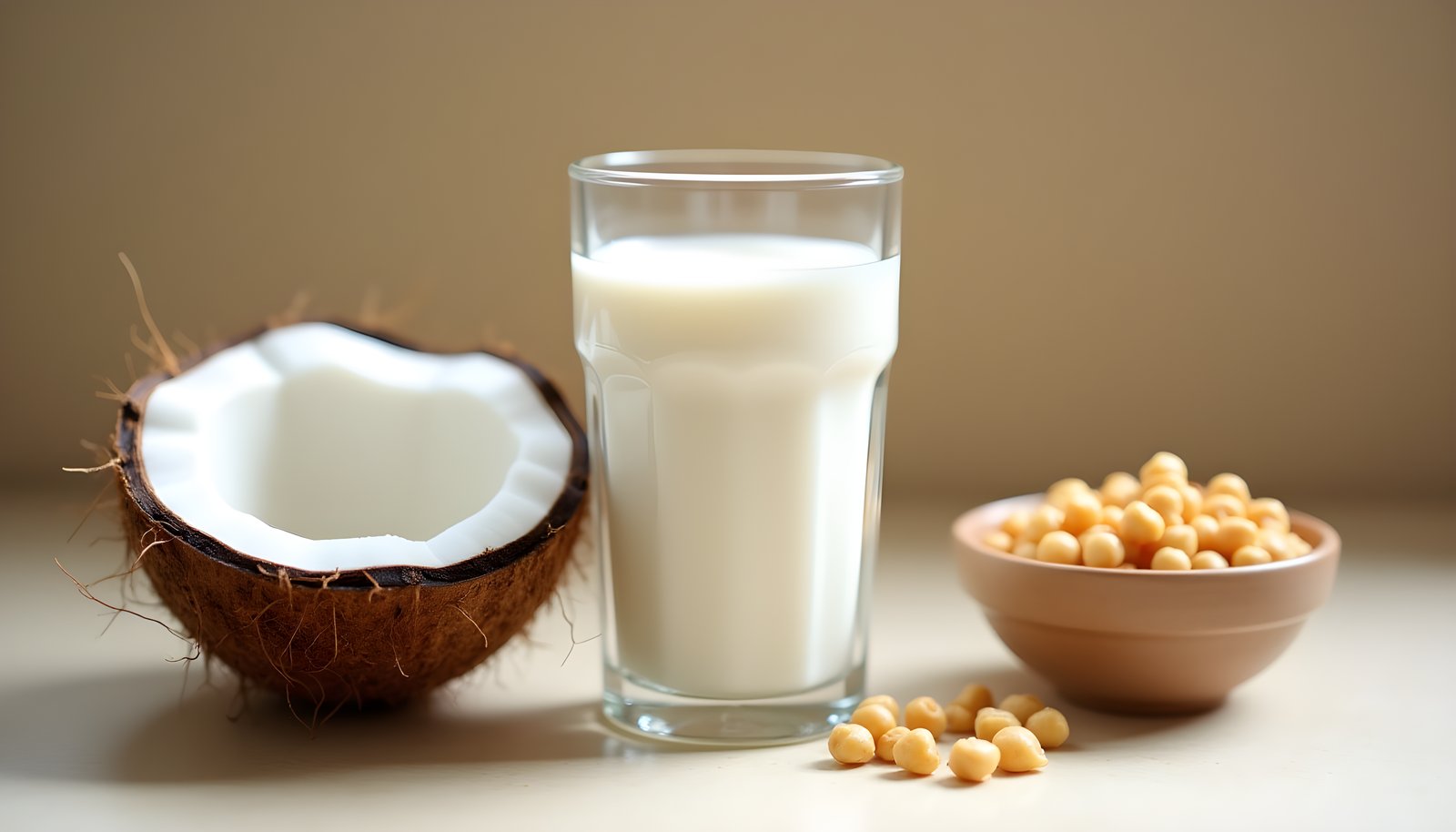
Coconut milk fiber is close to zero in the cartons and cans most people buy, with USDA listing 0 grams per cup for the fortified beverage. Only homemade style coconut milk pressed from grated coconut keeps a little, about 2.2 grams per 100 grams.
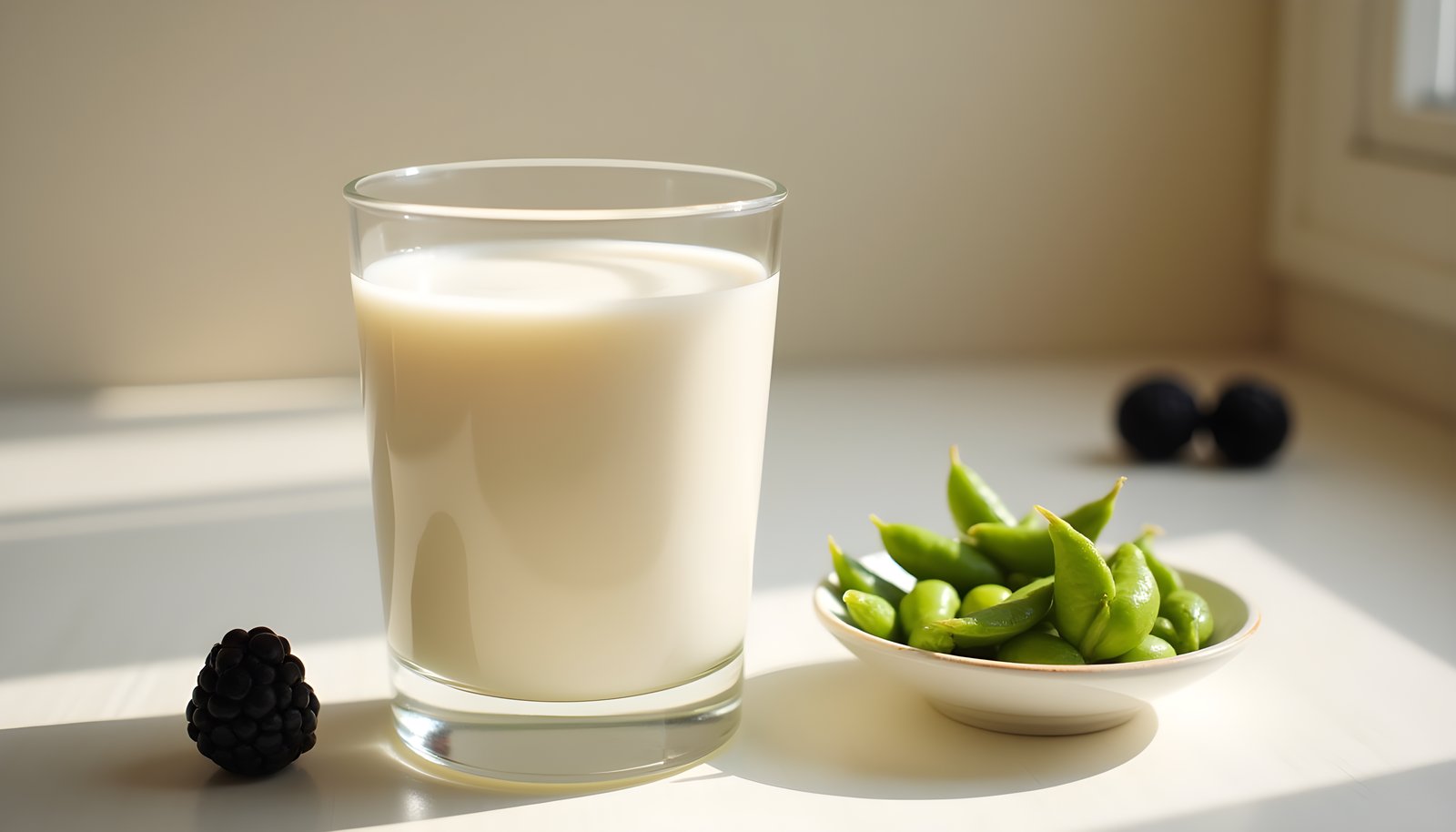
Soy milk fiber ranges from 0 to about 2 grams per cup, depending on the brand and on who measured it. Its real strength is protein, with 7 to 9 grams per cup, which puts it level with dairy milk and well ahead of other plant drinks.
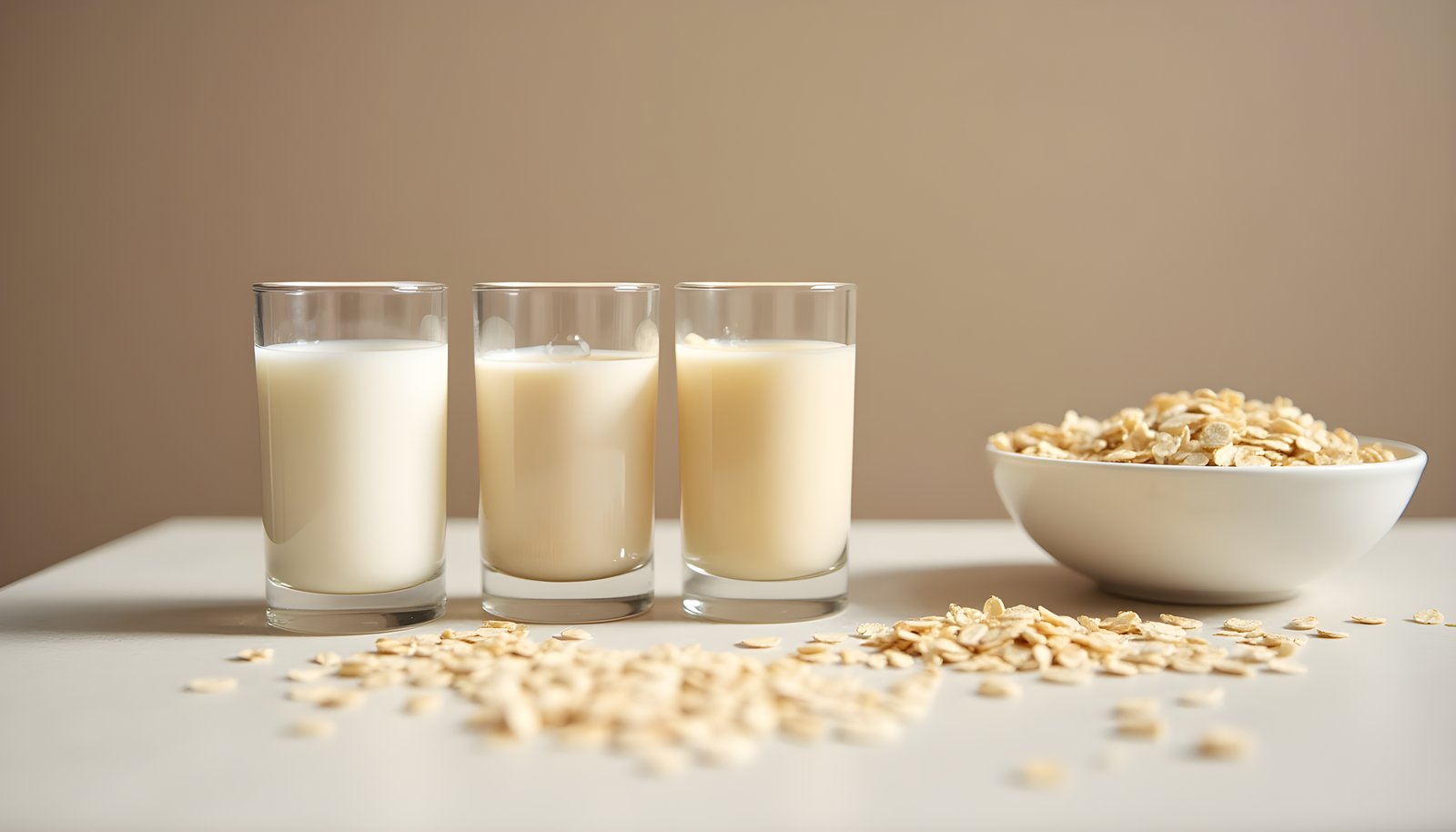
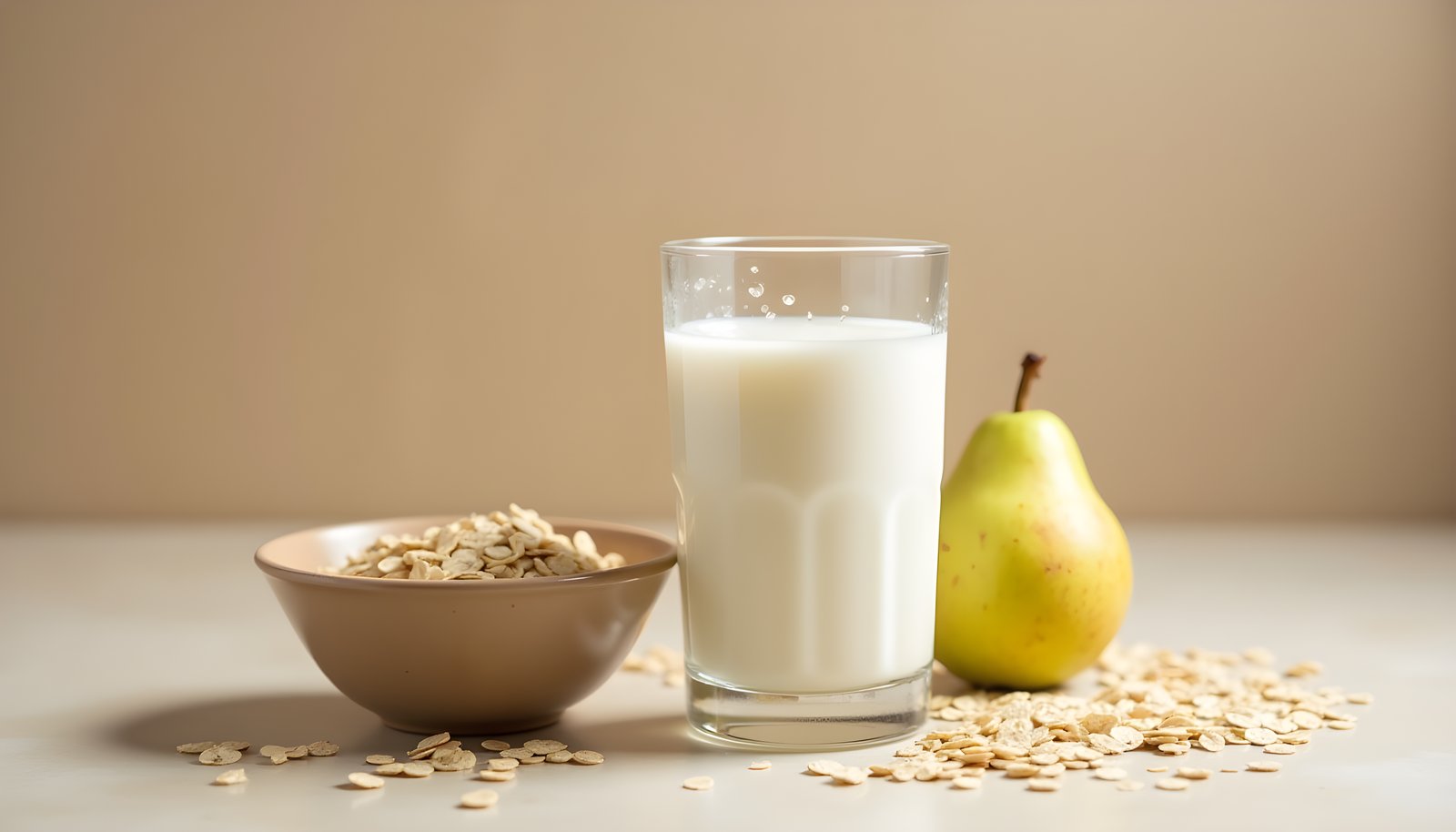
Oat milk fiber runs about 1 to 2 grams per cup, so it does carry a little of the grain’s fiber, unlike dairy milk. The twist is that the carton with the most fiber in our comparison also had added cane sugar, so the label matters more than the oat on the front.
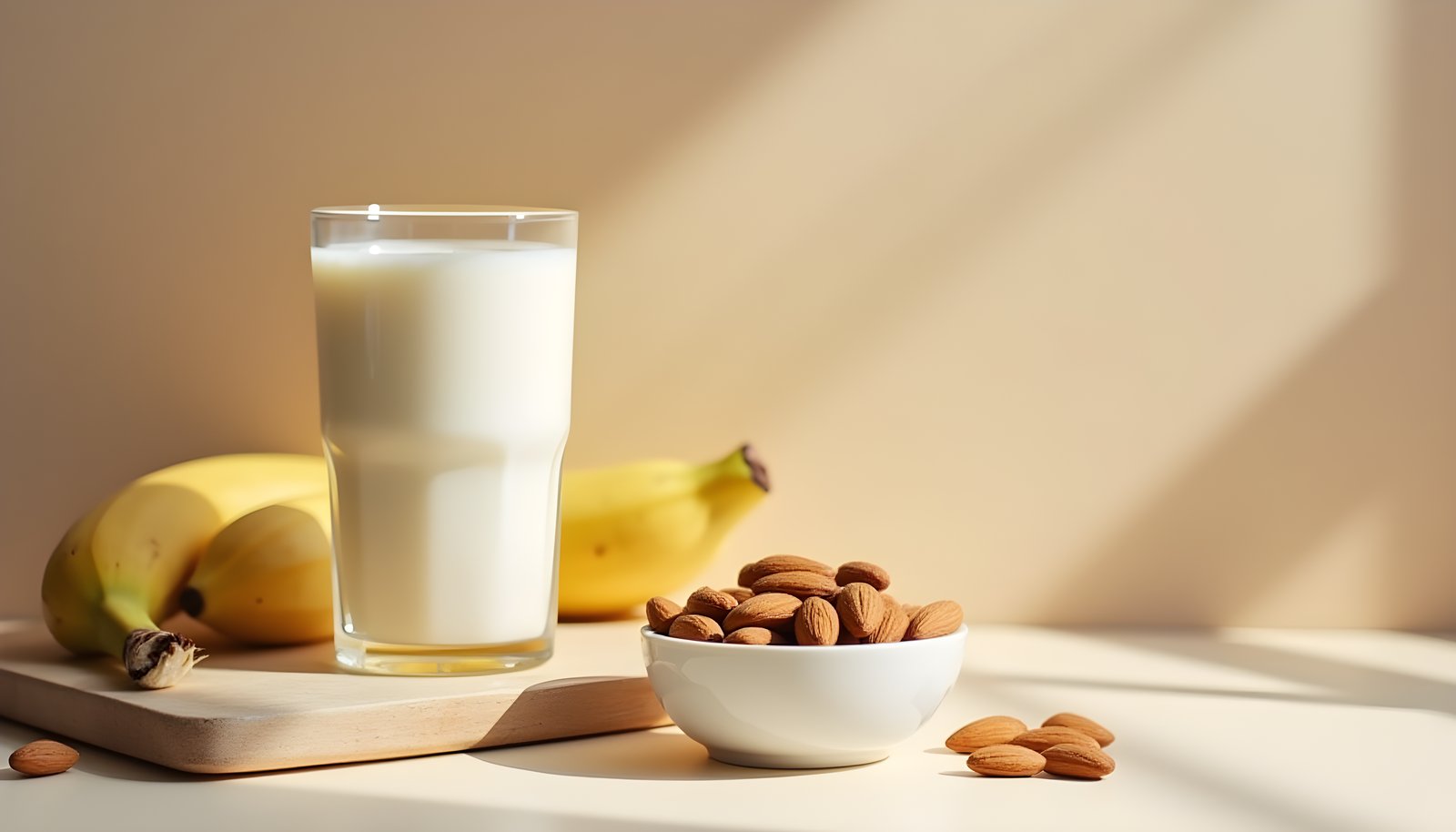
Barely. A cup of unsweetened almond milk has about 0.5 grams of fiber, and many brands list 0 grams, compared with 3.5 grams in an ounce of whole almonds. Almond milk fiber stays low because so little of the nut ends up in the carton, so it’s a calcium and vitamin E drink rather than a fiber source.
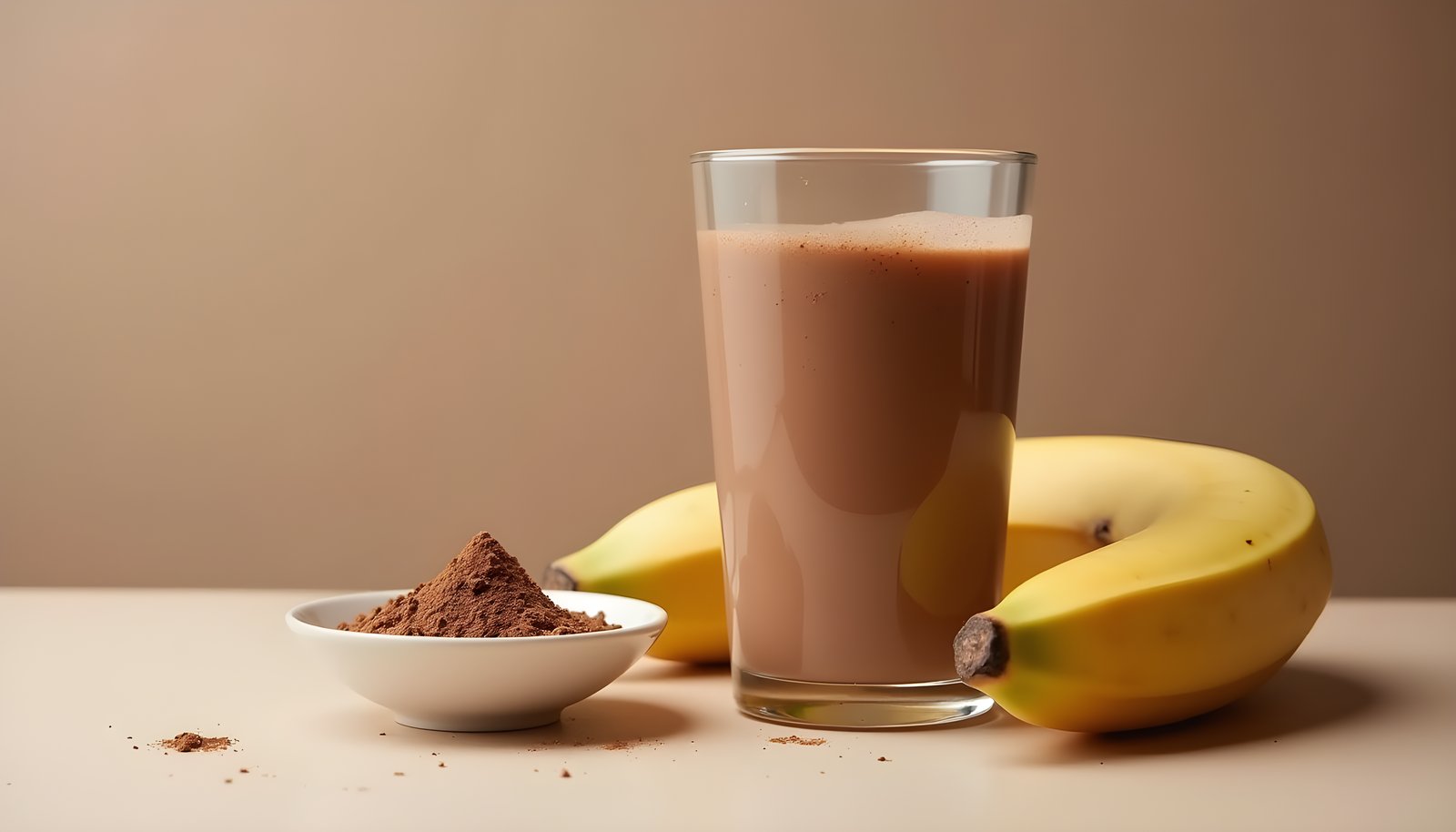
Chocolate milk has a little fiber, about 1.75 to 2 grams per cup, all of it from the cocoa, while plain milk has none. Chocolate milk fiber can reach 3 grams in a chocolate oat milk, but most bottles also carry about 12 grams more sugar than plain milk, so it works best as a treat rather than a fiber source.
No. Whipped cream has 0 grams of fiber, whether it comes from a can, a tub of nondairy topping or a carton of heavy cream you whip yourself. Whipped cream fiber stays at zero even in coconut versions, but the berries, pumpkin or oats underneath it can bring 3 to 8 grams or more.
Free · 7-day starter guide
Get our Gut Reset Quick-Start when you subscribe
Join 47,000 readers getting the Weekly Fiber Digest — research roundups, recipes, and discounts every Thursday.