
In this article
- Lupini bean snacks fiber by brand
- Why the fiber numbers disagree so much
- Brined lupini beans fiber vs other bean snacks
- Lupini among high protein snacks
- Lupini as a Mediterranean snack
- A desk snack swap, counted
- How to eat lupini snacks
- Lupini for low carb snacking
- Ways to use lupini beyond the pouch
- Sodium in brined lupini
- Reading a lupini snack label
- A note on lupin and peanut allergy
- Lupini snacks and your gut
- Try one pack this week
- Lupini snack questions
- Sources
Seven grams of fiber and seven grams of protein for 60 calories. That’s what a 50 gram pack of Brami Sea Salt lupini lists, which makes it one of the leanest high fiber snacks in USDA’s branded database.
Lupini bean snacks fiber isn’t that consistent, though. A ready to eat jar from Cento lists just 1 gram in a similar serving, so the brand you grab matters more than with almost any other bean.
Lupini bean snacks fiber by brand
Here’s what USDA FoodData Central lists for three ready to eat lupini products:
| Lupini snack (serving) | Calories | Fiber | Protein | Fat | Sodium |
|---|---|---|---|---|---|
| Brami Sea Salt snack pack (50 g, 25 beans) | 60 | 7 g | 7 g | 1 g | 320 mg |
| Brami Garlic & Rosemary (65 g, 33 beans) | 80 | 7 g | 9 g | 2 g | 520 mg |
| Cento Ready To Eat (1/4 cup, 40 g) | 40 | 1 g | 5 g | 1 g | 190 mg |
| Lupins, boiled, USDA generic (100 g) | 119 | 2.8 g | 15.6 g | 2.9 g | Not salted |
The two Brami packs list 7 grams, a quarter of the FDA’s 28 gram Daily Value. Cento’s jar and USDA’s own generic record for boiled lupins come in far lower per gram.
Protein holds steadier across the records. Every version lands somewhere between about 12 and 16 grams of protein per 100 grams, which is high for any bean.
Why the fiber numbers disagree so much
USDA doesn’t explain the gap, but two likely factors stand out. Lupini beans have a thick, chewy skin, and many people pop the bean out and discard it, while others eat it whole.
A brand that analyzes the whole bean with its skin may show more fiber than one working from a peeled bean or an older lab method. Cento also sells peeled lupini, a reminder that not every jar is the same product.
You can’t settle which number is right from the label alone. What you can do is compare brands by their own labels and eat the skins if you want the higher end of the range.
Brined lupini beans fiber vs other bean snacks
Lupini snacks sit next to roasted chickpeas, edamame and chips in many stores. Here’s how they compare per 100 calories:
| Snack | Fiber per 100 kcal | Protein per 100 kcal |
|---|---|---|
| Brami Sea Salt lupini | 11.7 g | 11.7 g |
| Cento Ready To Eat lupini | 2.5 g | 12.5 g |
| Pulse roasted chickpeas | 4.5 g | 4.5 g |
| Edamame, prepared (USDA) | 4.3 g | 9.8 g |
| Plain potato chips (USDA) | 0.6 g | 1.2 g |
On Brami’s numbers, lupini beat every other snack here on both fiber and protein per calorie. Even on Cento’s lower fiber figure, lupini still lead on protein.
That’s the main reason lupini have caught on as a high protein snack. You get a filling, savory bite with very few calories and almost no fat.
Comparing lupini packs, roasted chickpeas and other bean snacks for your pantry? Our comparison charts line up the main options side by side.
Lupini among high protein snacks
Most high protein snacks lean on dairy, meat or added protein isolates. Lupini get their protein from the bean itself, with no added powder.
Brami’s Garlic & Rosemary pack lists 9 grams of protein for 80 calories. The FDA’s Daily Value for protein is 50 grams, so a single pack covers 18% of it.
Harvard’s Nutrition Source describes legumes as a source of protein along with folate, iron and phosphorus. Lupini stand out among legumes for how much of their calories come from protein rather than starch.
Lupini as a Mediterranean snack
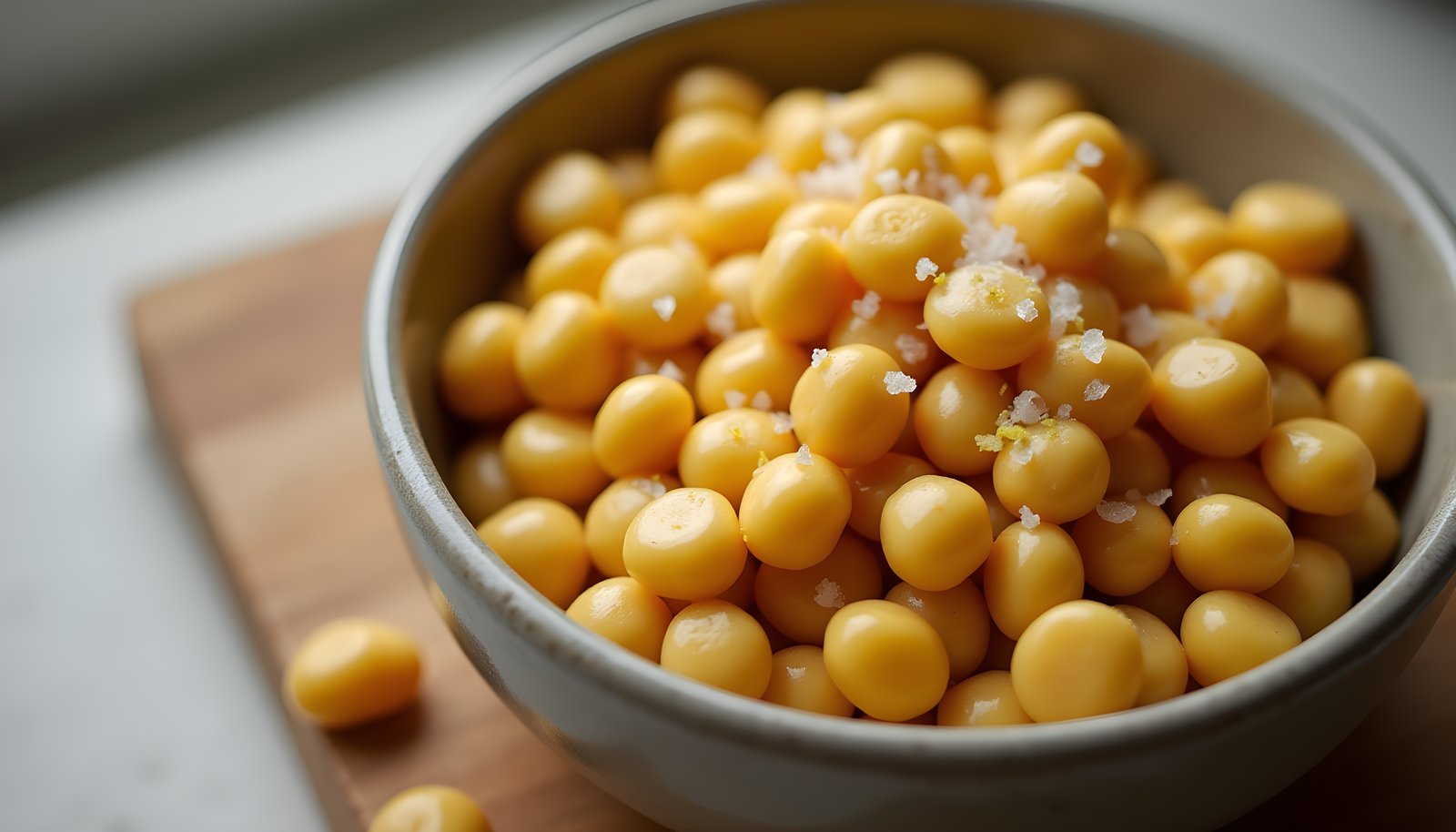
Lupini have a long history around the Mediterranean, where they’re often eaten from a bowl alongside olives. Packaged versions turn that habit into a single serve pouch you can keep in a bag.
They taste mildly salty and tangy from the brine, with a firm, slightly chewy texture. Flavored packs add garlic, herbs, chili or balsamic vinegar to the brine.
Pairing lupini with a few olives, cherry tomatoes and a slice of whole grain bread makes a quick Mediterranean style plate. The lupini supply most of the fiber and protein.
A desk snack swap, counted
Say your usual afternoon snack is a 1 ounce bag of potato chips. USDA lists that at about 151 calories, less than 1 gram of fiber and under 2 grams of protein.
Swap in a 50 gram pack of Brami Sea Salt lupini and the numbers flip: 60 calories, 7 grams of fiber and 7 grams of protein. Over five workdays, that’s about 30 extra grams of fiber and roughly 450 fewer calories.
The sodium is a bit higher with the lupini, at 320 milligrams versus about 149 for the chips. If you’re watching salt, comparing the sodium line between brands helps balance it.
How to eat lupini snacks
Lupini beans can be eaten two ways. Some people bite a small tear in the skin and squeeze the soft bean out, leaving the skin behind, while others eat the whole bean.
Both are fine. The skin is edible, just firmer and chewier than the inside, and leaving it on keeps whatever fiber it holds.
Packaged snack pouches are ready to eat straight from the bag. Jars of lupini in brine work the same way: drain, then snack.
Lupini for low carb snacking
For anyone counting carbohydrates, lupini are unusual among beans. Brami’s Sea Salt pack lists 7 grams of total carbohydrate and 7 grams of fiber, with no sugar.
Cento’s ready to eat lupini list just 3 grams of carbohydrate per quarter cup. Either way, lupini are far lower in starch than chickpeas, black beans or lentils.
That makes them a practical bean for low carb eating plans that still aim for fiber. They also fit into lunches where a full serving of starchy beans would push carbs too high.
Ways to use lupini beyond the pouch
- Salad protein: toss a handful into a green or grain salad
- Antipasto board: serve with olives, roasted peppers and cheese
- Grain bowl topper: add to a bowl of farro, quinoa or brown rice
- Pasta add in: stir into a cold pasta salad with herbs and lemon
Each of these adds protein and some fiber without needing to cook. They also bring a pleasant salty, briny note that works in place of extra cheese or cured meat.
Sodium in brined lupini
Because lupini are stored in brine, sodium is the number to watch. Brami’s Sea Salt pack lists 320 milligrams, 14% of the FDA’s 2,300 milligram Daily Value, and the Garlic & Rosemary pack lists 520 milligrams, or 23%.
Cento’s ready to eat beans list 190 milligrams per quarter cup. Plain lupins boiled without salt carry far less.
Flavored packs tend to run higher than plain ones, so the sea salt or plain versions are the easier everyday pick if sodium matters to you.
Reading a lupini snack label
Start with the serving size, since lupini packs range from about 40 to 65 grams and some list beans by count. Then look at fiber and protein side by side.
A pack with 5 grams of fiber or more per serving is doing the job most people buy lupini for. If the fiber line reads 1 or 2 grams, you’re still getting plenty of protein, just not the fiber boost.
Finish with sodium and the ingredient list. The simplest packs list only lupini beans, water, salt and an acid such as vinegar or lactic acid, which is all a good lupini snack needs.
A note on lupin and peanut allergy
The FDA explains that lupin belongs to the same plant family as peanuts, and some people with a peanut allergy also react to lupin. Lupin isn’t among the nine major allergens that must be declared on U.S. labels.
That means the ingredient list is the place to look. If anyone in your household has a peanut allergy, read lupini snack labels as carefully as you would any new legume product.
Lupini snacks and your gut
Harvard’s Nutrition Source notes that legumes can cause gas and bloating in some people. At up to 7 grams per pack, lupini snacks deliver a big dose of fiber in a small serving.
Mayo Clinic recommends raising fiber gradually over a few weeks and drinking plenty of fluids. Starting with half a pack is a gentle way to test how your gut responds.
If beans tend to bother your stomach, our gut health guides walk you through bringing them back slowly.
Try one pack this week
Pick up a single pouch of a lupini snack that lists at least 5 grams of fiber, and use it to replace one bag of chips or crackers this week. Eat the skins if you like the chew, since they may hold part of the fiber.
If you enjoy it, keep a few pouches at your desk or in your bag. One small swap a day adds up to a meaningful amount of extra fiber and protein by the end of the week.
Lupini snack questions
How much fiber is in lupini bean snacks?
It depends on the brand. Brami’s snack packs list 7 grams per serving, while Cento’s ready to eat lupini list 1 gram per quarter cup.
Are lupini beans a good high protein snack?
Yes. Brami lists 7 to 9 grams of protein per pack for 60 to 80 calories, more protein per calorie than most bean snacks.
Should you eat the skin of lupini beans?
You can. The skin is edible and chewy, and eating it means you keep whatever fiber it carries.
Are brined lupini beans high in sodium?
They can be. Brami’s packs list 320 to 520 milligrams per serving, so comparing labels and choosing plain flavors helps.
Are lupini beans low carb?
Yes. Brami’s Sea Salt pack lists 7 grams of total carbohydrate, all of it fiber, in a 50 gram serving.
Can people with peanut allergies eat lupini?
Be careful. The FDA notes that people allergic to peanuts may also react to lupin, which belongs to the same plant family.
Do lupini snacks cause gas?
They can, as with other legumes. Start with half a pack and drink water with it.
Sources
- U.S. Department of Agriculture, Agricultural Research Service. “Lupins, mature seeds, cooked, boiled; Edamame, frozen, prepared (168411); Snacks, potato chips, plain, salted (169677); Branded Foods: Brami Lupini Snack, Sea Salt (2137397), Brami Marinated with Garlic & Rosemary Italian Snacking Lupini Beans (2446972), Cento Ready To Eat Lupini Beans (2597714), Pulse Roasted Chickpeas Original (2053244).” FoodData Central. 2018 to 2023. fdc.nal.usda.gov
- U.S. Food and Drug Administration. “Daily Value on the Nutrition and Supplement Facts Labels.” 2024. fda.gov
- U.S. Food and Drug Administration. “Consumer Advice on Lupin.” 2018. fda.gov
- Harvard T.H. Chan School of Public Health. “Legumes and Pulses.” The Nutrition Source. 2024. nutritionsource.hsph.harvard.edu
- Mayo Clinic Staff. “Chart of high-fiber foods.” Mayo Clinic. 2025. mayoclinic.org