In this article
- Do dates have fiber? How much each variety holds
- Are dates high in fiber?
- Myth vs fact: are dates just sugar?
- How dates compare with other dried fruit and high fiber foods
- Why dates pack so much into a small bite
- Dates in a 28 gram day
- What else dates bring besides fiber
- Easy ways to get fiber from dates
- Medjool or Deglet Noor: a quick way to choose
- Questions about fiber in dates
- Sources
Dates have a reputation as nature’s candy, and plenty of people assume that means sugar and little else. Do dates have fiber worth counting? They do: one Medjool date has about 1.6 grams, according to USDA FoodData Central.
That’s a meaningful amount for something you can eat in two bites. The catch is that the same date also carries about 16 grams of sugar, so dates work best in small numbers.
Do dates have fiber? How much each variety holds
Two varieties you’ll often see are big, soft Medjool dates and smaller, firmer Deglet Noor dates. So how much fiber in dates of each kind? USDA lists them separately, and the difference in size changes the math per date:
| Dates | Weight | Fiber | Calories | Sugar |
|---|---|---|---|---|
| 1 Deglet Noor date | 7 g | 0.6 g | 20 | 4.5 g |
| 1 Medjool date | 24 g | 1.6 g | 66 | 16 g |
| 2 Medjool dates | 48 g | 3.2 g | 133 | 32 g |
| 1/4 cup chopped Deglet Noor | about 37 g | 3.0 g | 104 | about 23 g |
| 1 cup chopped Deglet Noor | 147 g | 11.8 g | 415 | 93 g |
By weight, Deglet Noor dates come out slightly ahead, with 8.0 grams of fiber per 100 grams versus 6.7 grams for Medjool. One Medjool is just more than three times the size, so it delivers more fiber per date.
A full cup of chopped Deglet Noor dates is a baking quantity, not a snack. It holds nearly 12 grams of fiber, but also about 415 calories and 93 grams of sugar, so it makes sense spread across a loaf or a batch of energy bites rather than eaten in one sitting.
The quarter cup figure comes from the Dietary Guidelines for Americans list of fiber sources. That’s a realistic amount to stir into oatmeal or a salad.
Are dates high in fiber?
For a fruit, yes. A 100 gram serving of Medjool dates, about four of them, has 6.7 grams of fiber, which is roughly 24% of the FDA’s 28 gram Daily Value.
The FDA considers 20% of the Daily Value or more per serving to be high. Four Medjool dates clear that bar, but they also bring about 277 calories and 66 grams of sugar.
Per calorie, dates are more modest. Medjool dates give you about 2.4 grams of fiber per 100 calories, and Deglet Noor about 2.8, while a cup of raspberries packs about 12.5 grams per 100 calories.
So dates are a concentrated fiber source in a small package. They’re most useful when you want something sweet and portable, not as the main way to reach your daily target.
Not sure what your own daily fiber target should be? Our fiber calculator works it out for you in seconds.
Myth vs fact: are dates just sugar?
Myth: dates are basically candy, with nothing to offer beyond sweetness.
Fact: dates are mostly sugar by weight, about 66 grams per 100 grams for Medjool, but they also carry fiber, potassium and several minerals that candy doesn’t. Cleveland Clinic registered dietitian Gillian Culbertson notes that dates have a glycemic index of about 42, which counts as low.
The glycemic index is a scale that ranks how quickly a food raises blood sugar compared with pure glucose. A lower number means a slower, steadier rise, which Culbertson says may help keep your blood sugar steady.
Culbertson also points out that fiber helps keep your digestive system moving instead of getting clogged. That’s one more way dates differ from a candy bar with similar sweetness.
That doesn’t make dates a free pass. Culbertson cautions against going overboard because they’re calorie-dense, and a handful of Medjool dates adds up fast.
How dates compare with other dried fruit and high fiber foods
Dates belong to the dried fruit family, which concentrates fiber and sugar into a small, chewy package. Here’s how a quarter cup stacks up against prunes and some of the highest fiber foods on the Dietary Guidelines list:
| Food | Serving | Fiber | Calories |
|---|---|---|---|
| Navy beans, cooked | 1/2 cup | 9.6 g | 128 |
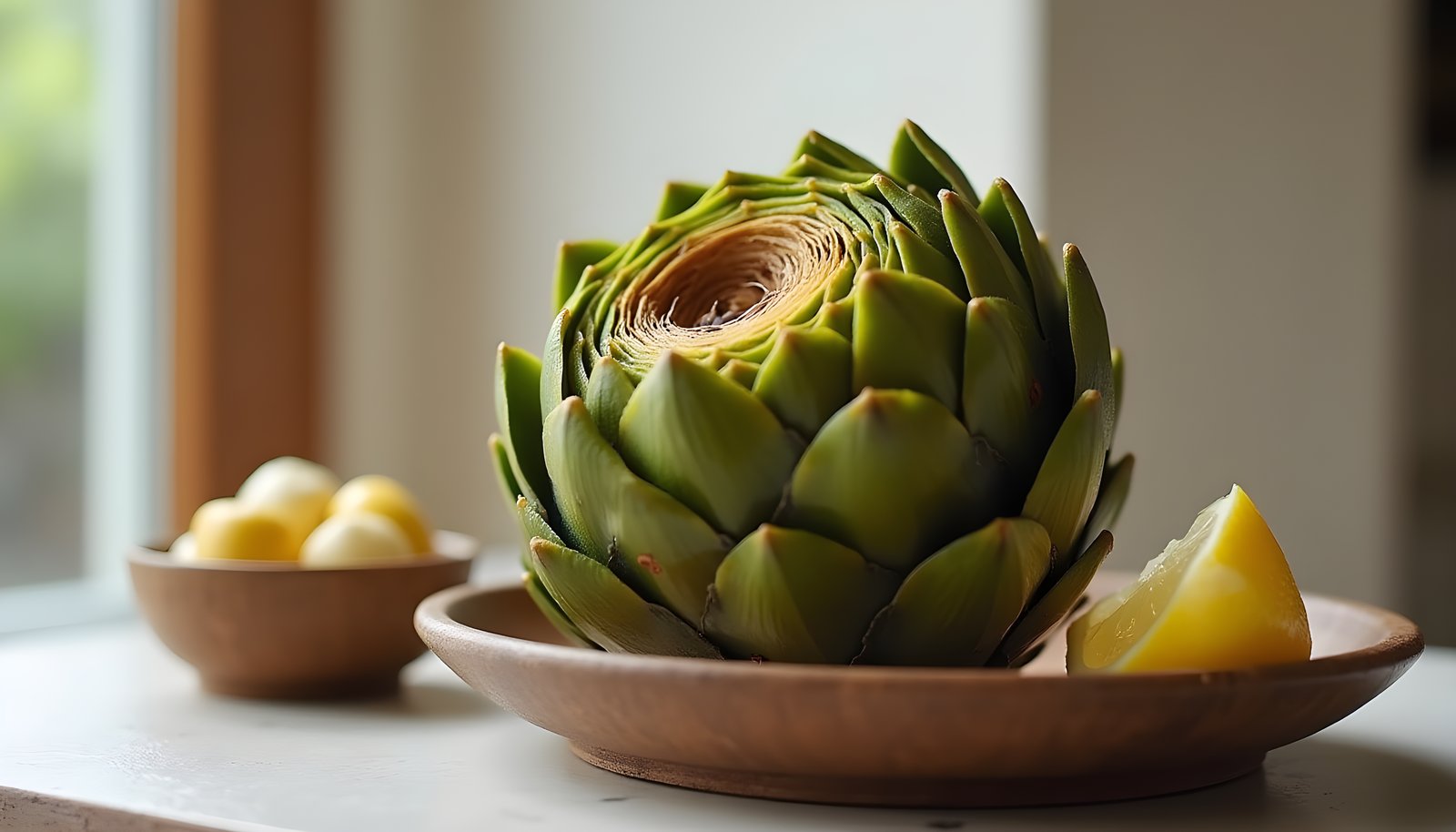
| Artichoke, cooked | 1 cup | 9.6 g | 89 |
| Green peas, cooked | 1 cup | 8.8 g | 134 |
| Split peas, cooked | 1/2 cup | 8.2 g | 116 |
| Raspberries | 1 cup | 8.0 g | 64 |
| Lentils, cooked | 1/2 cup | 7.8 g | 115 |
| Pear | 1 medium | 5.5 g | 103 |
| Prunes | 1/4 cup | 3.1 g | 105 |
| Dates, chopped | 1/4 cup | 3.0 g | 104 |
Dates and prunes are almost identical, with about 3 grams of fiber for around 105 calories. Beans, peas and lentils deliver two to three times as much fiber per serving.
If dried fruit is your go-to snack, dates and prunes are interchangeable for fiber. Choose whichever you enjoy more, and keep the portion to about a quarter cup.
What are some high fiber foods to pair with dates?
If you’re asking what are good fiber foods to build a day around, the top of this list is a strong place to start. Legumes, berries, artichokes and peas consistently lead the Dietary Guidelines rankings.
Dates fit in as the sweet partner. A date stuffed into oatmeal or blended into a bean-based snack bar adds flavor while the other ingredients carry most of the fiber.
Why dates pack so much into a small bite
Most fresh fruit is largely water. Medjool dates are only about 21% water, according to USDA, so the fiber, sugar and minerals are squeezed into a much smaller package.
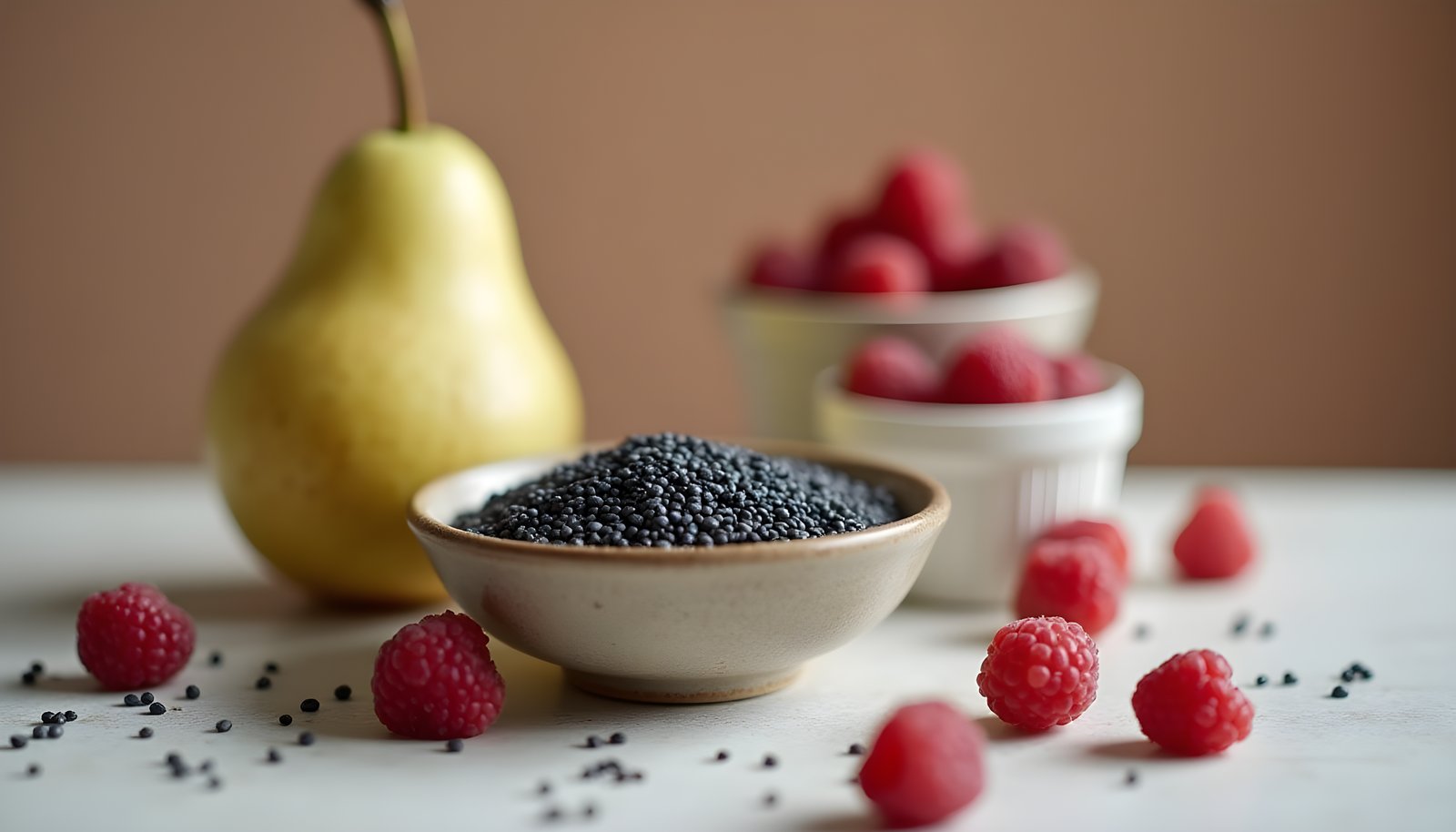
That concentration cuts both ways. A quarter cup of chopped dates and a medium pear land at almost the same calories, 104 versus 103, yet the pear gives you 5.5 grams of fiber to the dates’ 3.0 grams.
Fresh fruit fills you up with more volume for the same calories. Dates win on convenience and sweetness, which is why they’re handy in a bag or a recipe, but the pear does more for your fiber total.
Dates in a 28 gram day
A couple of dates can be part of a day that actually reaches the 28 gram Daily Value. Here’s one example built from Dietary Guidelines and USDA numbers:
- Breakfast: half a cup of cooked oat bran with two chopped Medjool dates, about 6.1 grams.
- Lunch: a bowl of soup with half a cup of cooked lentils, about 7.8 grams.
- Snack: a medium pear, 5.5 grams.
- Dinner: a cup of cooked green peas on the side, 8.8 grams.
That adds up to about 28 grams. The dates supply 3.2 grams of it, plus enough sweetness that the oat bran doesn’t need any added sugar.
What else dates bring besides fiber
Four Medjool dates (100 grams) provide a solid spread of minerals, based on USDA values and FDA Daily Values:
- About 696 milligrams of potassium, roughly 15% of the Daily Value
- About 0.36 milligrams of copper, roughly 40% of the Daily Value
- About 54 milligrams of magnesium, roughly 13% of the Daily Value
- About 0.25 milligrams of vitamin B6, roughly 15% of the Daily Value
Copper is the standout. Four Medjool dates cover about 40% of its Daily Value, a bigger share than any other nutrient on this list, fiber included.
Culbertson also notes that the fiber in fruits like dates may help improve heart health by lowering LDL and total cholesterol.
If you’re adding more fiber to help your digestion along, our gut health guides walk you through doing it gradually.
Easy ways to get fiber from dates
Because dates are so sweet, a little goes a long way. Some simple ideas:
- Chop two Medjool dates into a bowl of oatmeal instead of adding brown sugar.
- Blend dates into a smoothie with frozen raspberries for sweetness and extra fiber.
- Stuff a pitted date with a spoonful of nut butter for a quick snack.
- Use chopped dates in place of chocolate chips in muffins or trail mix, as Culbertson suggests.
- Make date paste and swap it for sugar in baking at a 1:1 ratio, another Culbertson tip.
Date paste is a smart swap for baking. Replacing a cup of sugar with a cup of date paste adds fiber that plain sugar doesn’t have.
Two Medjool dates with a cup of raspberries make a sweet snack with about 11.2 grams of fiber, using USDA and Dietary Guidelines numbers.
Want more recipes that use dates as a natural sweetener? Our recipe eBooks are full of easy, high-fiber ideas.
Medjool or Deglet Noor: a quick way to choose
Both varieties give you real fiber, so the best choice depends on how you’ll use them:
- If you want a snack you can eat out of hand, pick Medjool. One or two large dates feel satisfying and give you 1.6 to 3.2 grams of fiber.
- If you’re baking or chopping dates into recipes, pick Deglet Noor. They’re firmer, easier to chop and slightly higher in fiber by weight.
- If you’re watching sugar, count dates individually rather than by the handful, and pair them with nuts or yogurt to round out the snack.
- If you’re replacing refined sugar in a recipe, make date paste from either variety and use it cup for cup.
Questions about fiber in dates
How much fiber is in one date?
One Medjool date has about 1.6 grams of fiber, while a smaller Deglet Noor date has about 0.6 grams. The difference comes mostly from size.
Are dates high in fiber?
For a fruit, yes. Four Medjool dates (100 grams) have about 6.7 grams of fiber, roughly 24% of the 28 gram Daily Value, though they also have about 66 grams of sugar.
How many dates should I eat a day for fiber?
Two to four Medjool dates give you about 3.2 to 6.4 grams of fiber. Because dates are calorie-dense, it’s best to pair a few with other fiber foods rather than eat a large handful.
Do dates help with constipation?
Their fiber can help keep things moving as part of a high fiber diet. A quarter cup of chopped dates has about 3 grams, similar to the same amount of prunes.
Are Medjool dates healthier than Deglet Noor?
Neither is clearly better. Deglet Noor has slightly more fiber by weight, 8.0 versus 6.7 grams per 100 grams, while Medjool dates are larger and have more potassium.
What are some high fiber foods besides dates?
Beans, lentils, split peas, artichokes, green peas and raspberries are among the highest. Half a cup of cooked navy beans alone has about 9.6 grams.
Do dates raise blood sugar quickly?
Not as much as you might expect. Dates have a glycemic index of about 42, which is considered low and may help keep blood sugar steadier.
Sources
- USDA Agricultural Research Service. FoodData Central, SR Legacy entries for dates, medjool (168191) and dates, deglet noor (171726). 2019. fdc.nal.usda.gov
- U.S. Department of Agriculture and HHS. “Food Sources of Dietary Fiber.” Dietary Guidelines for Americans, 2020 to 2025. dietaryguidelines.gov
- U.S. Food and Drug Administration. “Daily Value on the Nutrition and Supplement Facts Labels.” 2024. fda.gov
- Cleveland Clinic. “The Sweet Health Benefits of Dates.” 2023. health.clevelandclinic.org