EAT YOUR WAY TO MORE FIBER

The Best High-Fiber Foods, Group by Group.

Fruits, vegetables, grains, legumes, nuts and more – discover which everyday foods pack the most fiber, how much they deliver, and simple ways to eat more of them every day.

“Getting enough fiber doesn’t require a supplement – – it starts with real food on your plate, and small swaps add up fast.”
Calculator icon

How Much Fiber Do You Actually Need?

Most people have no idea. Enter your age, gender, and activity level — get your personalized daily target in seconds.

Where the Most Fiber Lives

Start with the foods that pack the biggest fiber punch.

Highest Fiber Foods

The everyday foods that deliver the most fiber per serving, ranked and ready to add to your plate.

Superfoods with Fiber

Nutrient-dense whole foods that bring fiber plus vitamins, minerals, and antioxidants.

Top Fiber-Enriched Foods

Packaged foods with added fiber which ones are genuinely worth it, and what to check on the label.
101 Title

Sub Title

New to fiber? Start here.

Learn the types of fiber, what each one does, and which foods are richest in them.

ADVERTISEMENT
728 × 90
Food First, Always

The Best Fiber Comes From Your Plate

A here’s no supplement that beats a plate of real food. Whole foods deliver fiber alongside vitamins, minerals, antioxidants, and water — a package no powder can match. The good news is that hitting your daily target is easier than it sounds once you know where fiber actually hides.

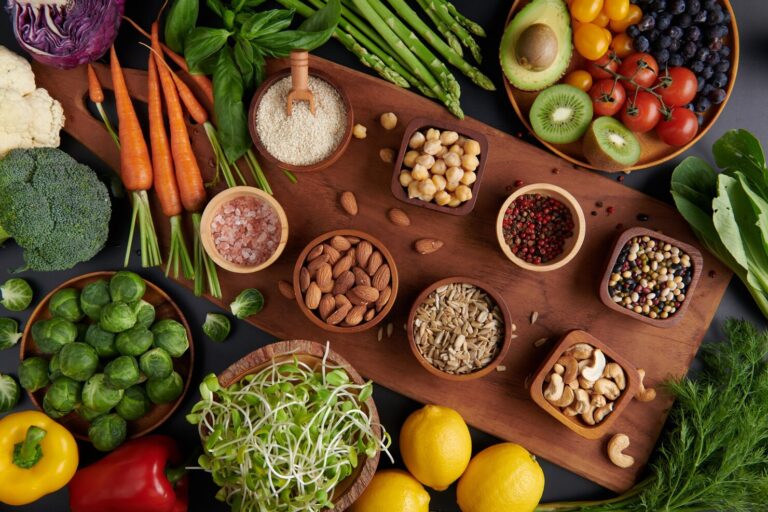
Beans and legumes are fiber powerhouses; a single cup can cover more than half your day. Whole grains, fruit eaten with the skin, vegetables, nuts, and seeds all stack up quickly. Variety matters too — different foods carry different types of fiber, so a mixed plate feeds a wider range of gut bacteria than any single food or supplement could.
“You don’t need exotic superfoods to hit your fiber goal — beans, oats, berries, and a handful of nuts will get most people there.”

That’s why we organize everything by food group. Browse fruits, vegetables, grains, legumes, nuts and seeds, dairy and alternatives, or proteins to see exactly how much fiber each delivers — with the standout picks in every category called out for you.

Not sure where to start? Begin with the highest-fiber foods, then explore the food group you eat most — small, consistent swaps are what move your daily total.

Browse Fiber by Food Group

The foods that pack the most fiber per serving, ranked and compared, with easy high-impact swaps.

Chia, flax, berries, avocado and more — nutrient-dense foods that deliver fiber and much more.

Cereals, breads, bars and snacks with added fiber — how they compare to whole foods, and the best picks.

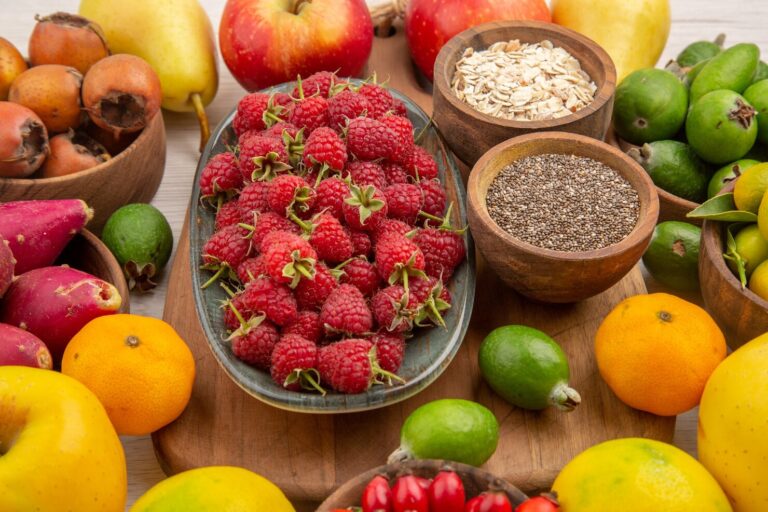
Berries, pears, apples with the skin, and more — the fruits that deliver the most fiber, plus how to work them into your day.

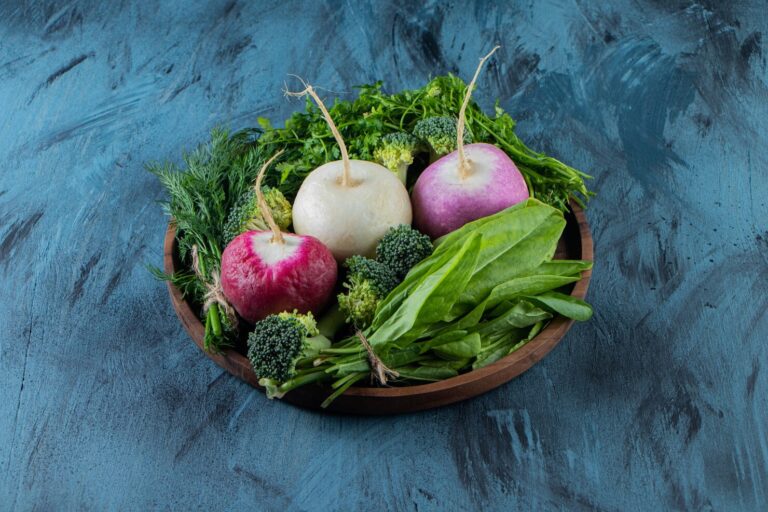
From artichokes to Brussels sprouts, the vegetables that pack the biggest fiber punch per serving.

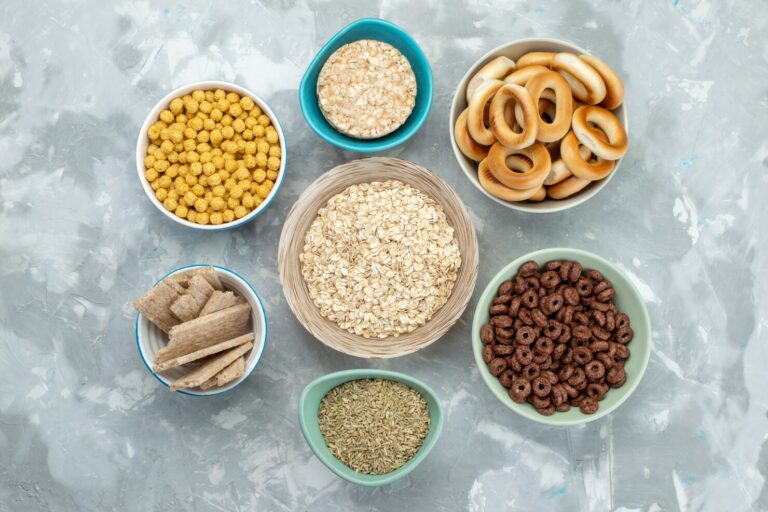
Oats, whole wheat, barley, and quinoa — how to choose carbs that add fiber instead of stripping it away.

The undisputed champions. Lentils, chickpeas, and black beans can cover half your daily fiber in a single cup.

Chia, flax, almonds, and more — small servings with big fiber returns, plus healthy fats and protein.

Dairy has none — so which plant milks, yogurts, and alternatives actually bring fiber to the table?

Animal proteins have zero fiber. Here’s how to build high-fiber meals around them with the right plant-based sides.

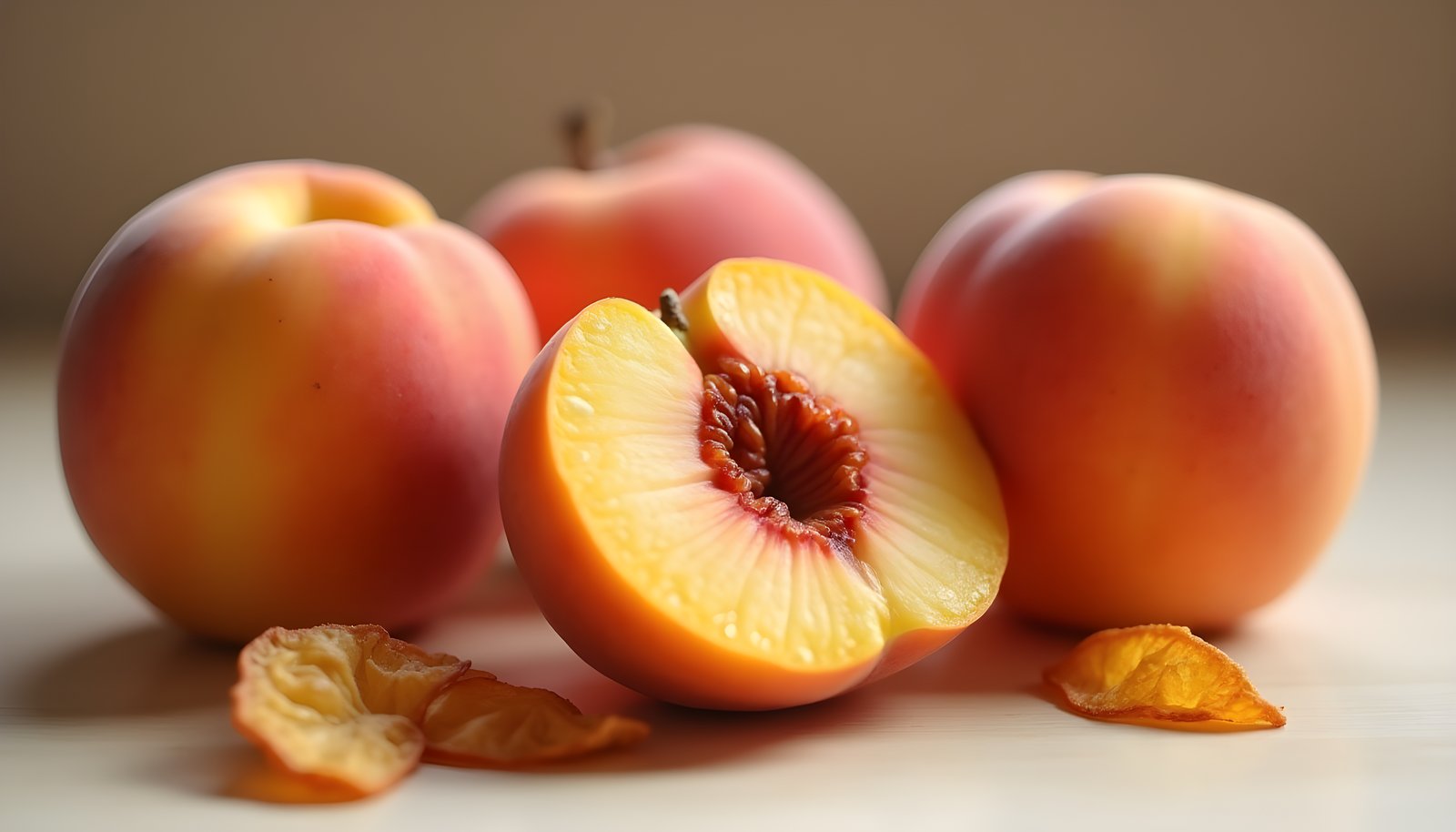
Peach fiber shown with ripe whole peaches, a peach cut in half showing the pit and a few dried peach slices in front
Do peaches have fiber? Yes: a medium fresh peach has about 2.3 grams, and an extra large one about 3.4 grams, with the skin adding to the total. Canned and dried peaches keep their fiber too, though sugar and calories change a lot.
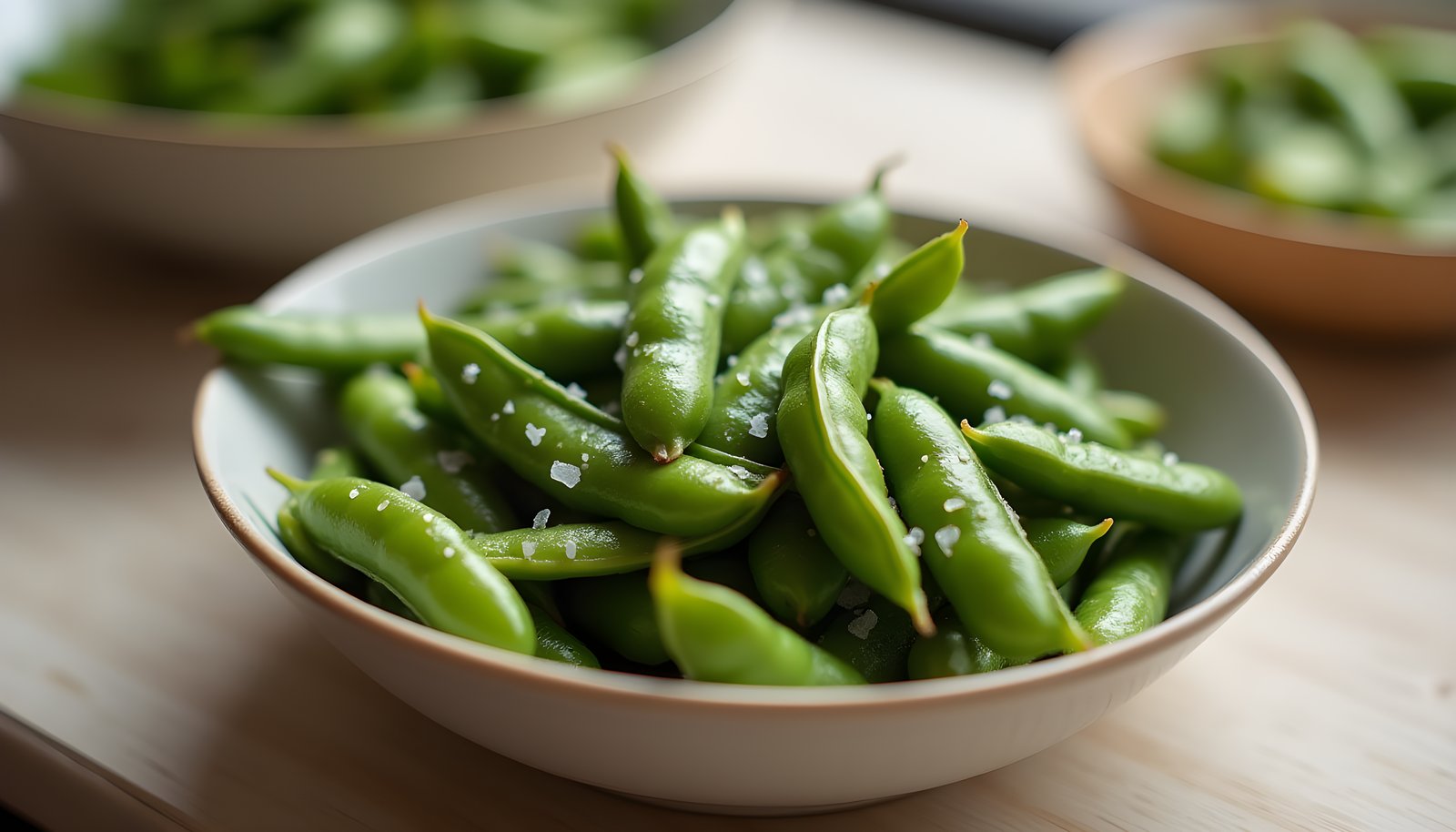
Edamame fiber shown with a bowl of steamed green edamame pods sprinkled with flaky salt and more pods behind it
Do edamames have fiber? Yes: a cup of shelled edamame has about 8.1 grams, plus 18 grams of protein. That makes these young soybeans one of the few foods that’s high in both fiber and protein.
Konjac fiber shown with a patterned bowl of thin shirataki noodles in light broth topped with scallions and chopsticks
Why does konjac have so much fiber? Its corm is about half glucomannan by dry weight, a soluble fiber that can swell to 100 times its volume in water. That’s how a cup of shirataki noodles carries about 6 grams of fiber for 20 calories.
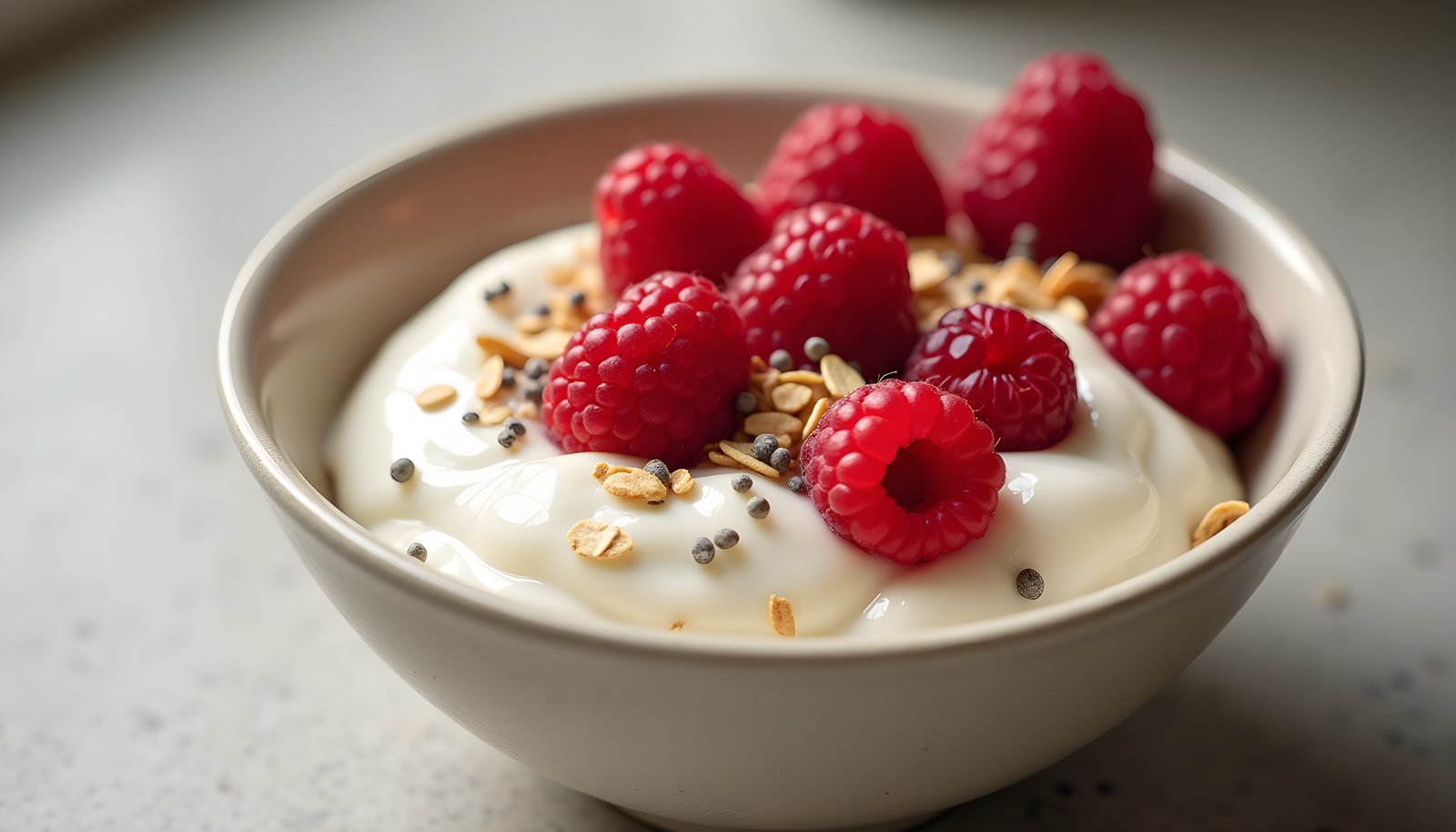
Yogurt fiber shown with a bowl of creamy plain yogurt topped with fresh raspberries, chia seeds and a sprinkle of oats
Does yogurt have fiber? Plain dairy yogurt has none, and USDA lists fruit yogurt at 0 grams too. Your fiber comes from fiber-added brands or toppings like berries, chia and bran cereal, which can turn one cup into 8 grams or more.
Tofu fiber shown with a block of soft white tofu on a wooden board, a few tofu cubes and a small bowl of shelled edamame
Does tofu have fiber? Yes, but not much: half a cup of firm tofu has about 2.9 grams, while regular tofu has under half a gram. Tofu shines for protein and calcium, so pair it with beans, vegetables or whole grains to cover fiber.
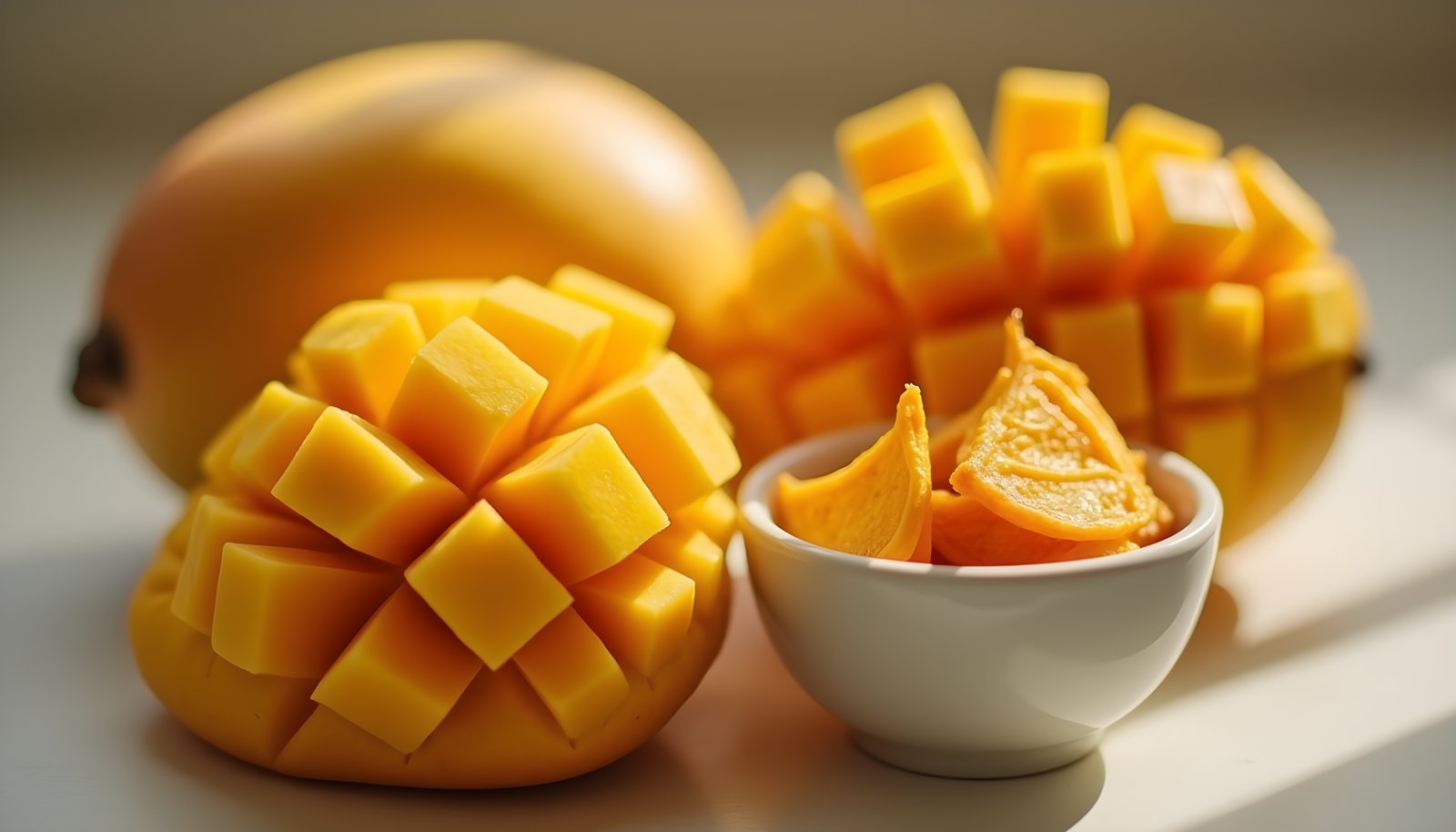
Mango fiber shown with a whole ripe mango, mango halves scored into cubes and a small bowl of dried mango pieces
Does mango have fiber? Yes: a cup of fresh mango pieces has about 2.6 grams, and a whole mango has about 5.4 grams. Sweetened dried mango keeps some fiber but packs far more sugar per bite, so fresh is the better pick for fiber.
Coffee fiber shown with a white cup of black coffee, a scattering of roasted coffee beans and a dish of ground coffee
Does coffee have fiber? A little: researchers measured about 0.47 to 0.75 grams of soluble fiber per 100 milliliters of brewed coffee, or roughly 1 to 2 grams in an 8 ounce cup. Standard nutrition databases still list it at zero.
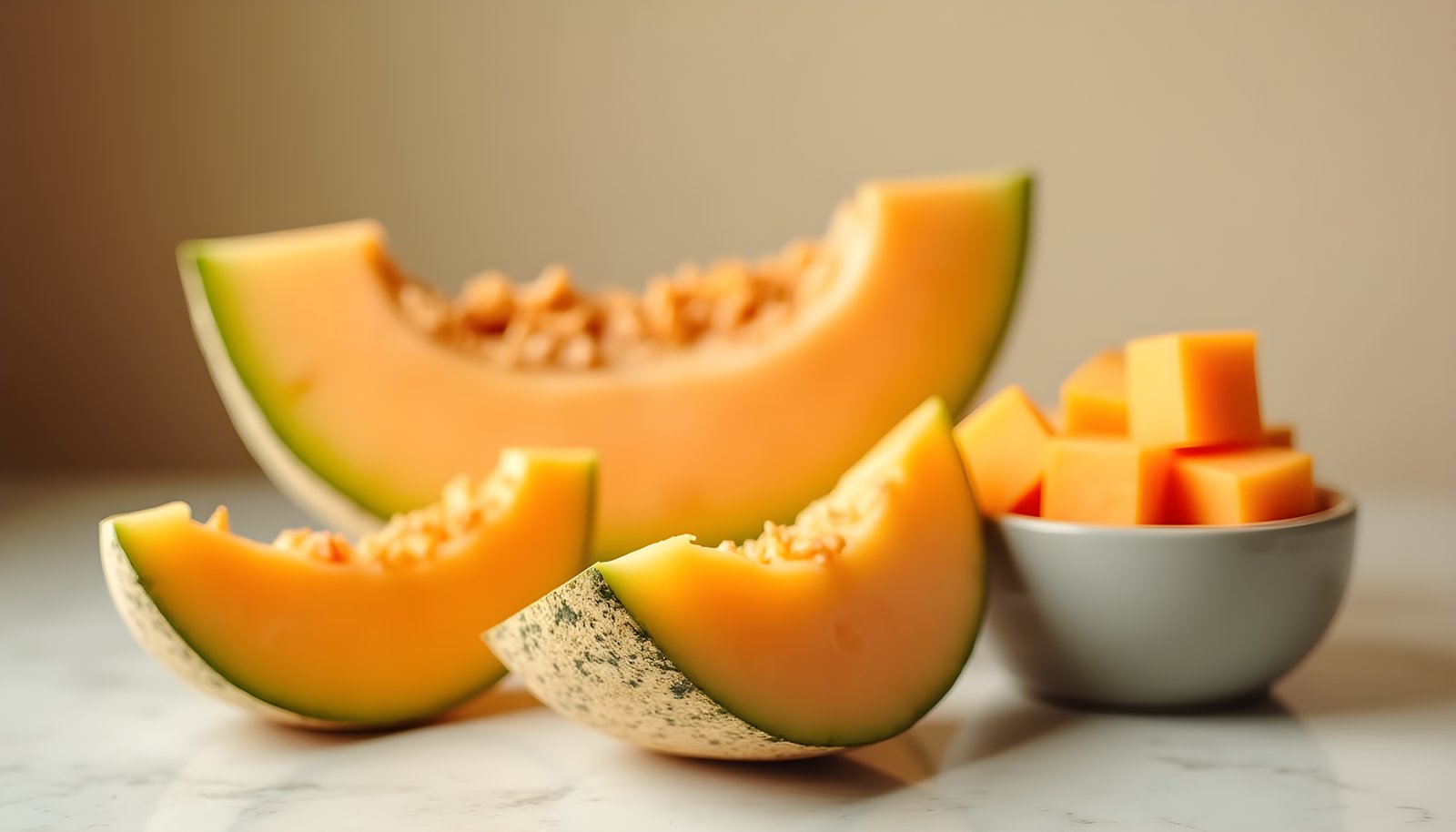
Cantaloupe fiber shown with crescent wedges of orange cantaloupe melon, a melon half and a small bowl of cubed melon
Does cantaloupe have fiber? A little: one cup of cubes has about 1.4 grams. Where cantaloupe really shines is vitamins, with that same cup covering about 65% of your vitamin C and 30% of your vitamin A.
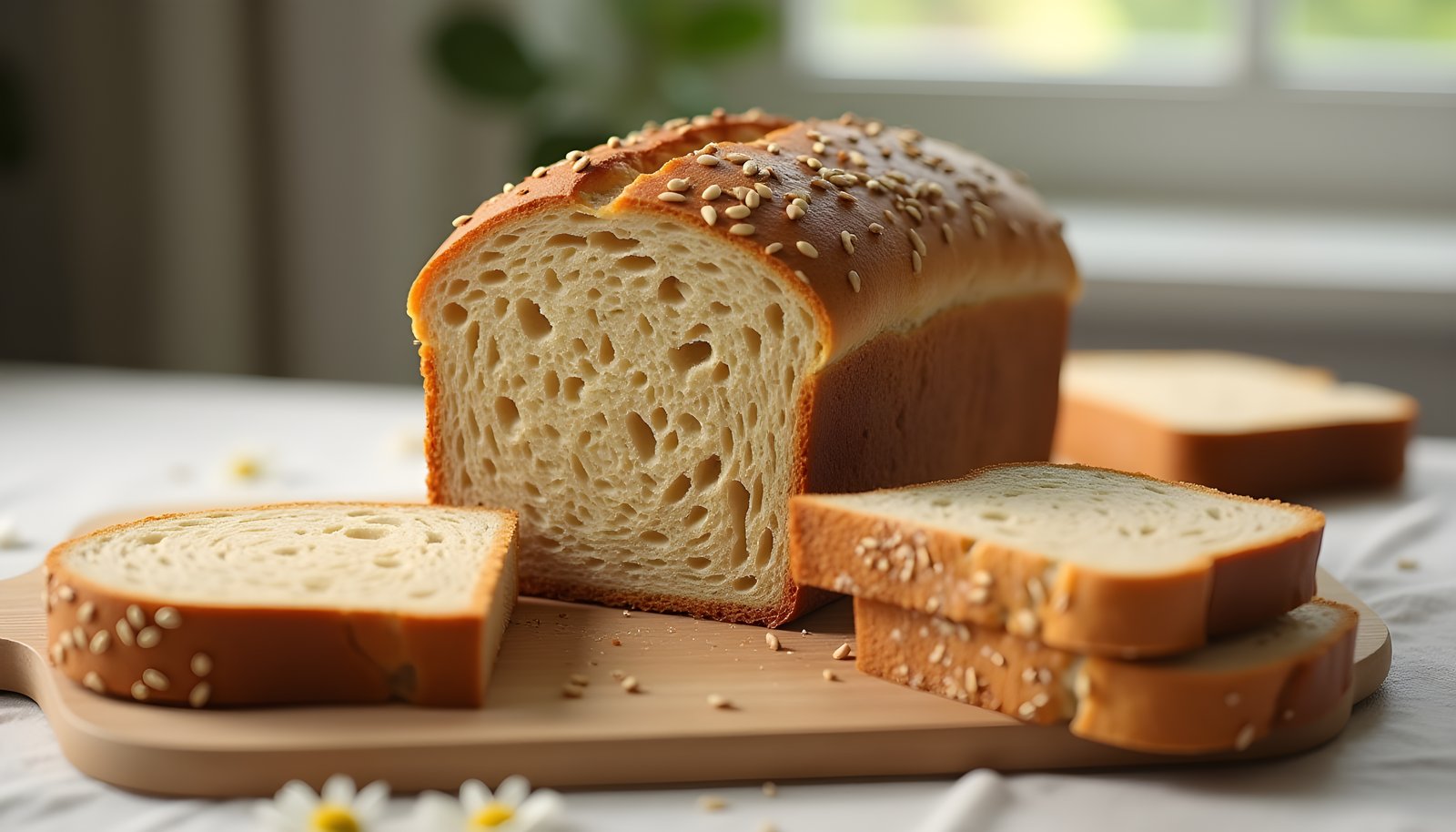
Bread fiber shown with a seeded whole grain loaf, thick slices on a cutting board and a slice of lighter bread behind
Does bread have fiber? Yes, but the amount swings widely: a slice of white bread has under 1 gram, while a slice of whole wheat, rye or pumpernickel has about 2 grams. The flour on the ingredient list matters far more than the color of the loaf.
Date fiber shown with a wooden bowl heaped with plump glossy medjool dates, a few split open to show the inside
Do dates have fiber? Yes: one Medjool date has about 1.6 grams, and a quarter cup of chopped Deglet Noor dates has about 3 grams. They’re also very high in natural sugar, so a few dates go a long way.

ADVERTISEMENT
728 × 90

Guides & Recipe Books

Go deeper with our evidence-based ebooks and high-fiber recipe collections.
VOLUME ONE

High-Fiber Recipes

60 Recipes · 8g+ Per Serving
Recipe Book

60 High-Fiber Recipes Vol. 1

THE LIST

Top 100 Fiber Foods

Ranked · Grams Per Serving
Ebook

The Top 100 High-Fiber Foods

MEAL PREP

7-Day Fiber Plan

Whole Foods · 30g+ Daily
Ebook

The 7-Day High-Fiber Meal Plan

ADVERTISEMENT
728 × 90

Get the Weekly Fiber Digest

New research, food swaps, and exclusive discounts — every Thursday.
No spam, ever. Unsubscribe anytime.