Fruits, vegetables, grains, legumes, nuts and more – discover which everyday foods pack the most fiber, how much they deliver, and simple ways to eat more of them every day.
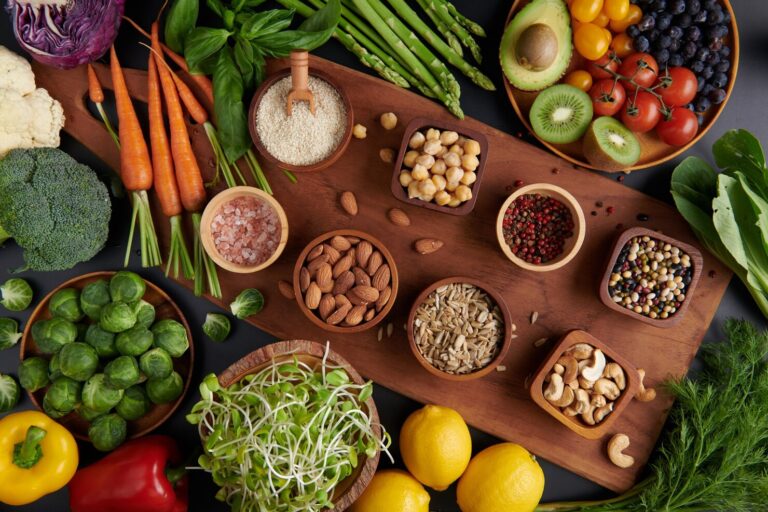
A here’s no supplement that beats a plate of real food. Whole foods deliver fiber alongside vitamins, minerals, antioxidants, and water — a package no powder can match. The good news is that hitting your daily target is easier than it sounds once you know where fiber actually hides.
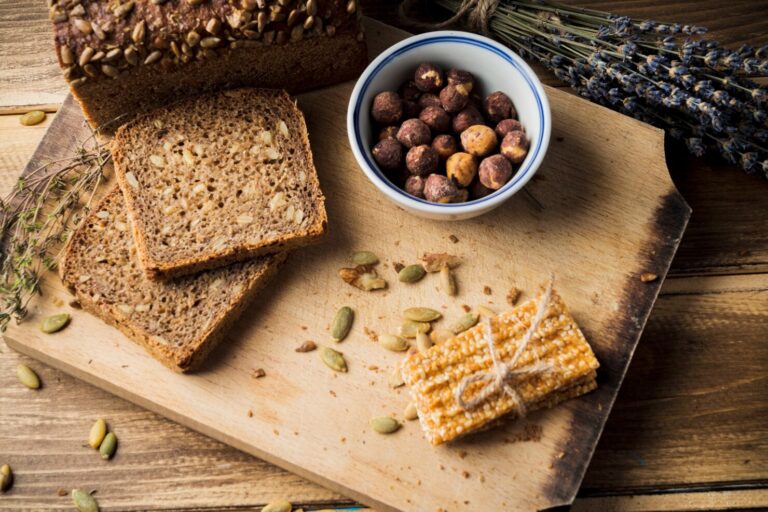
Beans and legumes are fiber powerhouses; a single cup can cover more than half your day. Whole
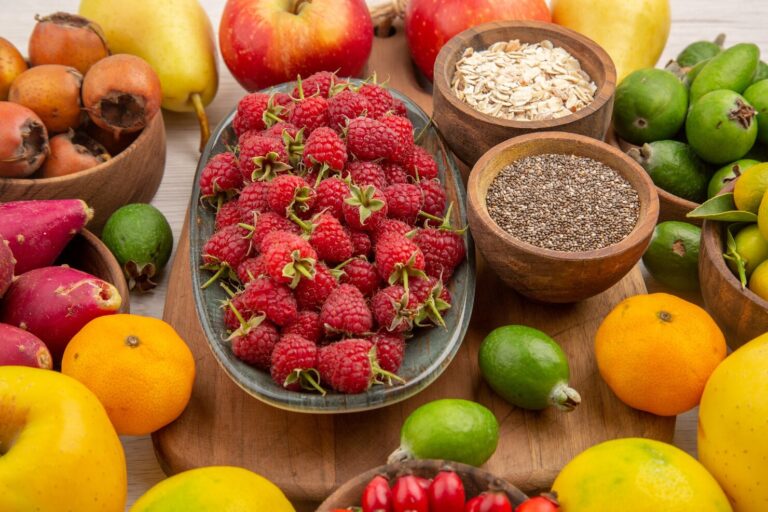
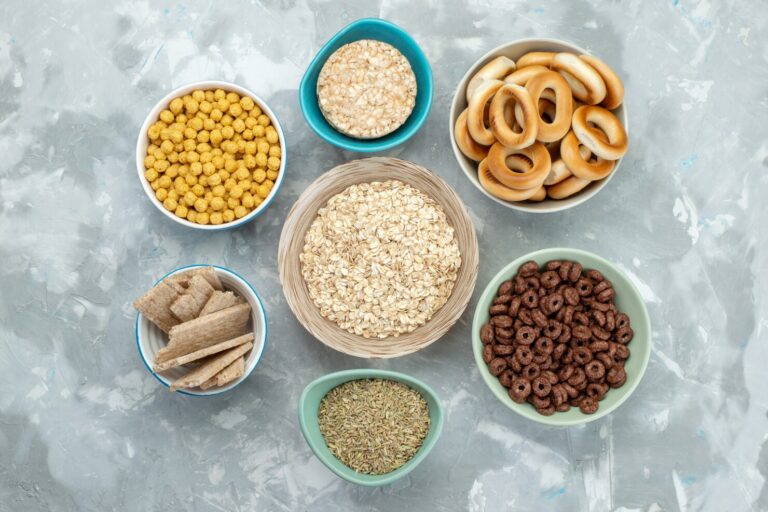
grains, fruit eaten with the skin, vegetables, nuts, and seeds all stack up quickly. Variety matters too
— different foods carry different types of fiber, so a mixed plate feeds a wider range of gut bacteria
than any single food or supplement could.
“You don’t need exotic superfoods to hit your fiber goal — beans, oats,
berries, and a handful of nuts will get most people there.”
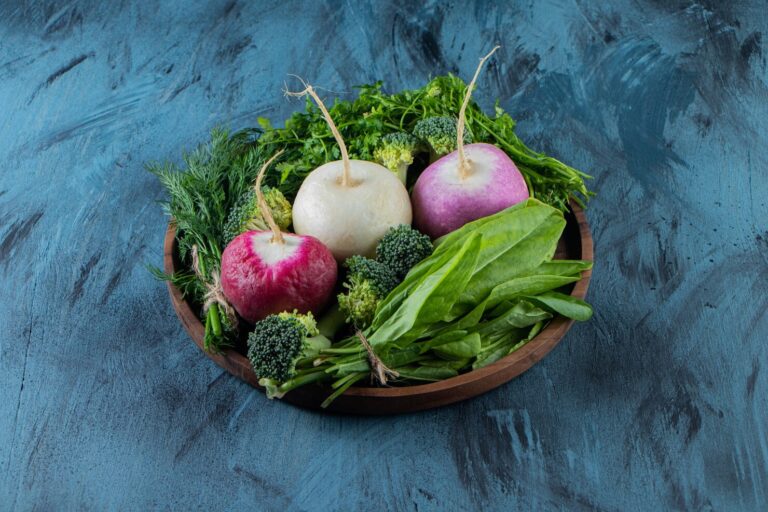
That’s why we organize everything by food group. Browse fruits, vegetables, grains, legumes, nuts and seeds, dairy and alternatives, or proteins to see exactly how much fiber each delivers — with the standout picks in every category called out for you.
Not sure where to start? Begin with the highest-fiber foods, then explore the food group you eat most — small, consistent swaps are what move your daily total.
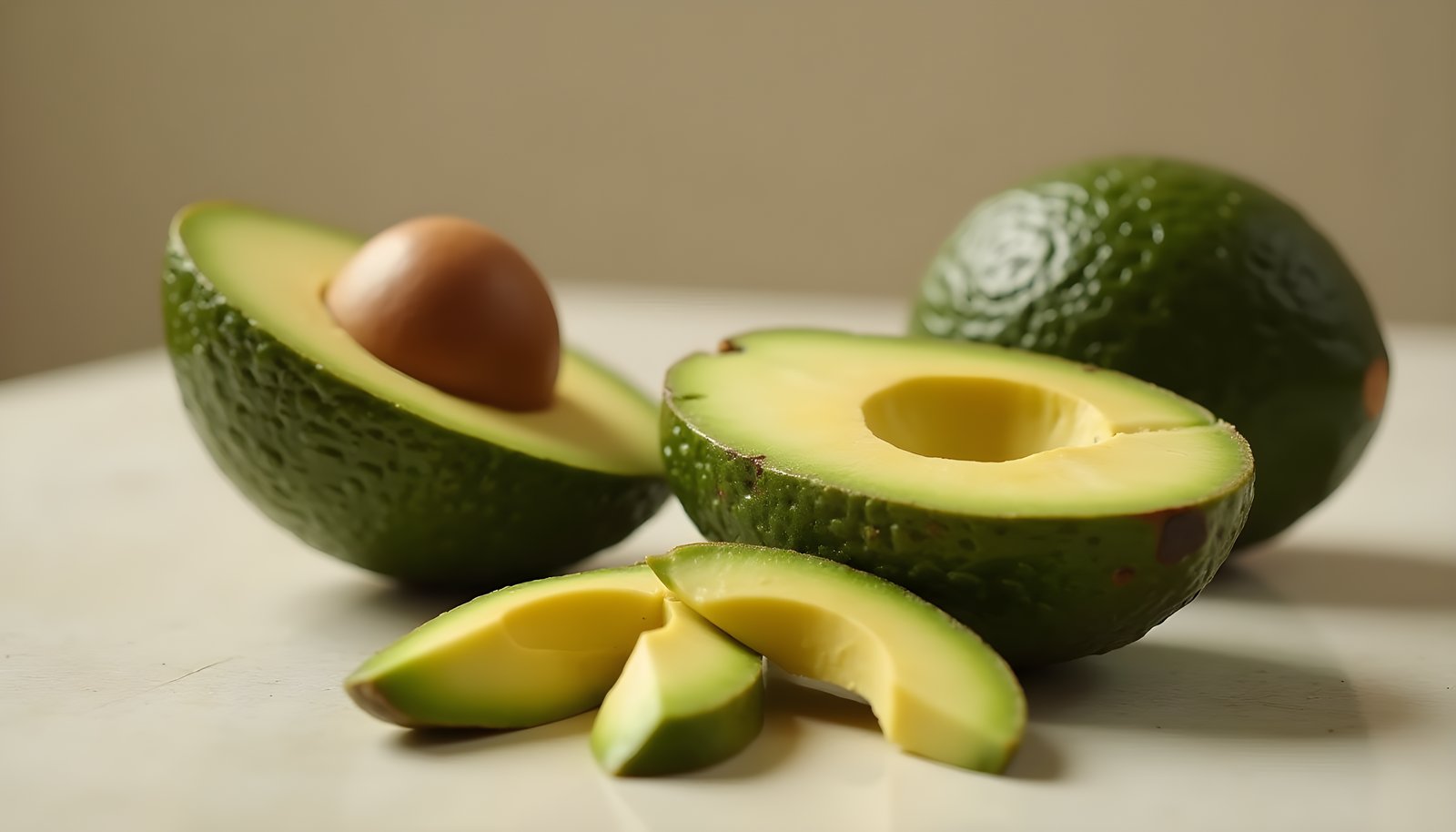
Avocado fiber content is about 3.4 grams in a 50 gram serving, which FDA labeling rules call a good source but not high in fiber. Eat 100 grams and you get 6.7 grams, plus more fiber per gram of fat than nuts, olives or oil.
Does wine contain fiber? No: USDA lists red, white and sweet dessert wine at 0 grams per glass, even though a cup of the grapes they come from carries about 1.4 grams. Sangria and non-alcoholic wine land at zero too, so the fiber at a wine dinner has to come from the plate.
Does alcohol contain fiber? Almost never: USDA lists regular beer, light beer, hard seltzer, red wine and 80 proof spirits at 0 grams. The one exception among the common drinks we checked is a Bloody Mary, whose tomato juice brings 0.9 grams per glass.
Fiber drinks effectiveness depends on the fiber inside: psyllium powders like Metamucil have the strongest backing for regularity and cholesterol, with an FDA health claim at 7 grams of soluble fiber a day. Fiber waters and prebiotic sodas add 2 to 9 grams of inulin type fibers, which count on the label without a comparable health claim.
Hot chocolate fiber runs from 0 to 1 gram in most mugs, because packet mixes and cafe style recipes use only a little cocoa. Stir 2 tablespoons of natural cocoa powder into milk yourself and the same mug climbs to about 4 grams.
Iced tea fiber is zero in almost every glass: USDA lists unsweetened brewed iced tea at 0 grams, and bottled teas from Arizona, Pure Leaf and Brisk declare no fiber either. The rare exception is a fortified tea drink like Special K2o, which adds polydextrose to reach 5 grams.
Almond milk latte fiber usually comes to 0 to 1 gram a cup, because almond milk and espresso carry almost none. Bottled almond milk lattes reach 1 to 2 grams when the recipe adds pumpkin puree or gums like guar and locust bean gum.
Meal replacement drinks fiber ranges from under 1 gram to 7 grams a bottle. Atkins Plus Protein and Fiber and Glucerna lead with 6 to 7 grams from added fibers like soluble corn fiber, while Boost Calorie Smart and Orgain’s All in One shake land at 1 gram or less.
Bubble tea fiber is close to zero in most cups: USDA lists a cup of bubble tea at 0.24 grams, and bottled milk teas from Pocas, Ino Tea and Lady Boba declare 0 grams. The exception is boba made with konjac pearls, which can reach 3 grams a bottle.
Matcha latte fiber usually lands between 0 and 2 grams a serving. The matcha itself adds about 1 gram per teaspoon, and the rest depends on the milk and any added gums like acacia or guar, so a bottled latte with 2 grams often owes most of it to the recipe rather than the tea.