In this article
- How we picked these foods
- High fiber protein for weight loss, compared
- The nine foods, one by one
- What the research says about pulses and weight
- Which proteins tracked with weight gain over time
- A fat loss dinner swap in practice
- Building fat loss meals around protein and fiber
- High fiber protein and weight loss: what people ask
- Sources
You’ve trimmed your portions and you’re eating enough protein, yet by 9 p.m. you’re standing at the pantry again. For a lot of people, the missing piece is fiber, and the easiest way to add it is to choose protein foods that carry their own.
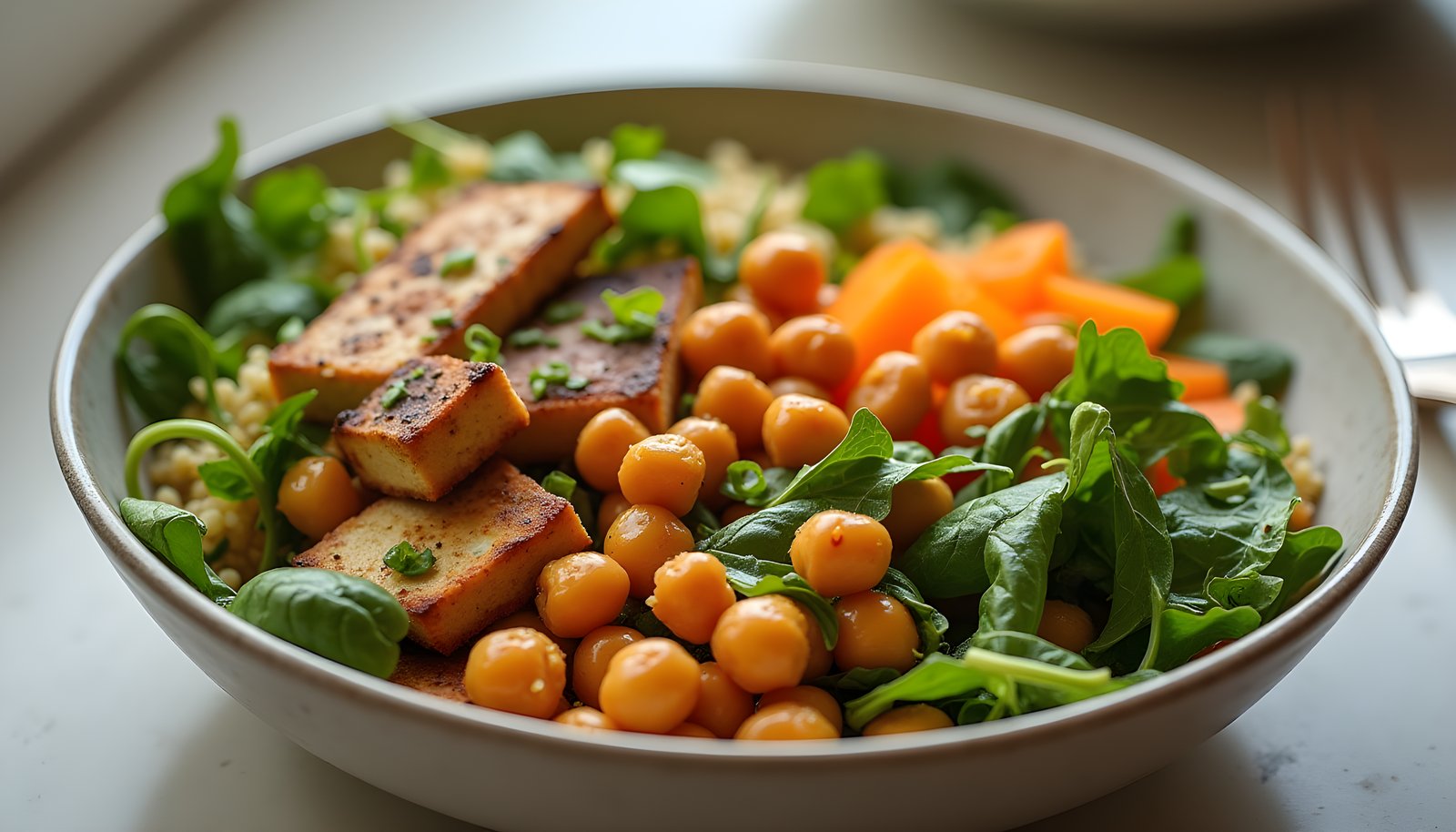
That’s what high fiber protein for weight loss looks like in practice: beans, lentils, split peas and edamame, which deliver both nutrients in the same bite. Below are nine foods ranked by how much protein and fiber you get per calorie, plus how to use them in fat loss meals.
How we picked these foods
Protein and fiber help with appetite control in different ways, so we counted them together. For each food, we added the grams of protein and fiber in a typical serving and divided by its calories, using USDA FoodData Central values.
The result is a simple score: combined grams of protein and fiber per 100 calories. A higher number means more of the two most filling nutrients for every calorie you spend.
We also looked at how practical each food is to eat every day. A food that scores well but takes an hour to cook or costs a fortune won’t help much if you rarely eat it.
High fiber protein for weight loss, compared
| Food (USDA) | Serving | Protein | Fiber | Calories | Protein + fiber per 100 kcal |
|---|---|---|---|---|---|
| Lentils, cooked | 1 cup | 17.9 g | 15.6 g | 230 | 14.6 g |
| Split peas, cooked | 1 cup | 16.3 g | 16.3 g | 231 | 14.1 g |
| Edamame, cooked | 1 cup | 18.5 g | 8.1 g | 188 | 14.1 g |
| Black beans, cooked | 1 cup | 15.2 g | 15.0 g | 227 | 13.3 g |
| Navy beans, cooked | 1 cup | 15.0 g | 19.0 g | 255 | 13.3 g |
| Pinto beans, cooked | 1 cup | 15.0 g | 15.0 g | 245 | 12.2 g |
| Chia seeds | 1 oz | 4.7 g | 9.8 g | 138 | 10.5 g |
| Chickpeas, cooked | 1 cup | 14.5 g | 12.5 g | 269 | 10.0 g |
| Quinoa, cooked | 1 cup | 8.1 g | 5.2 g | 222 | 6.0 g |
| Almonds | 1 oz | 6.0 g | 3.5 g | 164 | 5.8 g |
Lentils, split peas and edamame lead the list, each with more than 14 grams of protein and fiber combined per 100 calories. Quinoa and almonds trail far behind, since grains and nuts bring more calories along with their protein.
For context, roasted chicken breast scores about 18.8 grams per 100 calories, all of it protein and none of it fiber. That’s why the best fat loss meals often pair a lean animal protein with one of the foods above.
The nine foods, one by one
1. Lentils
A cooked cup of lentils gives you 17.9 grams of protein and 15.6 grams of fiber for 230 calories. That’s more fiber than most single foods in a typical serving.
Best for soups, stews and grain bowls. Red lentils break down into a thick puree, which makes them easy to hide in sauces if you’re new to legumes.
2. Split peas
Split peas are the most balanced food on the list, with an even 16.3 grams of protein and 16.3 grams of fiber per cooked cup. They’re mild in flavor and simmer into a creamy soup with almost no effort.
The drawback is variety. Most people only know them as pea soup, so they work best as one rotation in your week rather than a daily staple.
3. Edamame
Edamame, young green soybeans, has the most protein per calorie of any plant on the list at 18.5 grams per cup for 188 calories. Its fiber is lower, at 8.1 grams, but that’s still a solid amount for one cup.
Best for snacks and salads. Frozen shelled edamame thaws in minutes, so it’s one of the fastest ways to add protein to a lunch.
4. Black beans
Black beans bring 15.2 grams of protein and 15 grams of fiber per cooked cup. They hold their shape well, which makes them a good base for burrito bowls, salads and veggie burgers.
5. Navy beans
Navy beans carry the most fiber in the table at 19 grams per cooked cup, with 15 grams of protein. Their soft, creamy texture works in white bean soup, mashed on toast or blended into dips.
They’re a bit higher in calories than black beans, at 255 per cup. If calories are your main focus, a three quarter cup serving keeps the fiber above 14 grams.
6. Pinto beans
Pinto beans match black beans closely, with 15 grams each of protein and fiber per cup. They’re the classic choice for refried beans, so look for versions made without lard if you’re buying them canned.
7. Chia seeds
Chia is a fiber food first, with 9.8 grams in a single ounce, about two tablespoons. Its 4.7 grams of protein make it a useful partner for yogurt or oats rather than a main protein.
Chia soaks up liquid and thickens into a gel. That makes it easy to stir into a breakfast that otherwise has little fiber.
8. Chickpeas
A cooked cup of chickpeas gives you 14.5 grams of protein and 12.5 grams of fiber for 269 calories. They score lower than other beans because they carry a little more fat and starch.
Roasted chickpeas make a crunchy snack, and hummus is one of the easiest ways to eat them daily. Just keep an eye on the olive oil, which adds calories quickly.
9. Quinoa
Quinoa rounds out the list with 8.1 grams of protein and 5.2 grams of fiber per cooked cup. It won’t carry a meal on its own, but it beats white rice on both counts and pairs well with any bean above.
Not sure how many grams of fiber you should aim for each day? Our fiber calculator gives you a personal number in a few seconds.
What the research says about pulses and weight
The strongest evidence comes from a 2016 meta-analysis in the American Journal of Clinical Nutrition. Researchers pooled 21 randomized trials with 940 adults and found that eating pulses, meaning beans, peas, chickpeas and lentils, led to an average weight loss of 0.34 kg over a median of six weeks.
The typical intake was about 132 grams a day, roughly one serving. What stands out is that most of these diets weren’t designed to cut calories, so the loss came from adding pulses rather than restricting food.
It’s a modest result, and the authors note that longer studies are needed to see if the effect lasts. Still, a small loss without counting calories is a useful starting point for a protein fiber diet.
Harvard’s Nutrition Source points to a separate finding that about one daily serving of beans, chickpeas, lentils or peas can increase fullness. Mayo Clinic adds that high fiber foods tend to be more filling, so you’re likely to eat less and stay satisfied longer.
Which proteins tracked with weight gain over time
Harvard researchers followed more than 120,000 men and women for up to 20 years to see how food choices related to weight. People who ate more red and processed meat gained about one extra pound every four years.
Those who ate more nuts gained about half a pound less over the same four years. A later analysis of the same group linked yogurt, peanut butter, nuts, skinless chicken, low fat cheese and seafood with less weight gain.
These are observational studies, so they show patterns rather than cause and effect. They do suggest that the type of protein you eat matters as much as the amount.
A fat loss dinner swap in practice
Picture a weeknight taco dinner built on 6 ounces of ground beef. Swap half the beef for a cup of cooked black beans and the meal gains 15 grams of fiber while keeping most of its protein.
Because beans have no saturated fat to speak of, the swap also trims the parts of the meal Harvard flags in red meat. The tacos taste close to the original, especially with the usual spices and toppings.
Want more dinners that use beans and lentils to stretch the protein? Our recipe eBooks are packed with simple, high fiber meals.
Building fat loss meals around protein and fiber
Use this checklist when you’re putting together a meal:
- One palm sized portion of lean protein, such as chicken, fish, eggs or tofu, or a full cup of beans or lentils.
- At least one high fiber protein from the table, even a half cup, alongside any animal protein.
- Half the plate in vegetables for extra volume.
- A small portion of whole grains such as quinoa if you need more energy.
- Nuts and seeds as a topping, about an ounce, rather than the main event.
Mayo Clinic recommends raising fiber slowly over a few weeks and drinking plenty of water. A fast jump can bring gas, bloating and cramping, which makes it harder to stick with the plan. This week, pick one dinner and add a half cup of lentils or black beans, then build from there.
If the extra beans leave your stomach unsettled at first, our gut health guides walk you through a gentle, step by step approach.
High fiber protein and weight loss: what people ask
Is high fiber protein good for weight loss?
Yes. In a 2016 review of 21 trials, eating about one serving of beans, peas, chickpeas or lentils a day led to an average loss of 0.34 kg over six weeks, even without calorie targets.
Which plant protein is best for losing weight?
Lentils, split peas and edamame give the most protein and fiber per calorie, with over 14 combined grams per 100 calories. Black and navy beans are close behind.
How much fiber should I eat to lose weight?
There’s no special weight loss amount. Most Americans eat only about 15 grams a day, and one cup of beans or lentils adds about 15 grams more, roughly half of a typical adult’s daily fiber needs. Our fiber calculator shows the target that fits you.
Are beans too high in carbs for a weight loss diet?
No. A large share of the carbohydrate in beans is fiber, about 15 grams per cup for black beans, and that fiber helps you feel full on fewer calories.
Is chicken or lentils better for weight loss?
Each has a role. Chicken gives more protein per calorie, while lentils add 15.6 grams of fiber per cup, so pairing them in one meal gets you both.
Do protein and fiber help with appetite control?
Yes. Harvard notes that about one daily serving of pulses can increase fullness, and Mayo Clinic says high fiber foods help you eat less and stay satisfied longer.
Can I eat beans every day while losing weight?
Yes. The weight loss trials used about 132 grams of pulses a day, roughly one serving. Start smaller and build up so your gut can adjust.
Sources
- U.S. Department of Agriculture, Agricultural Research Service. “FoodData Central” (lentils, split peas, black, navy and pinto beans and chickpeas, cooked; edamame, frozen, prepared; chia seeds; almonds; quinoa, cooked; chicken breast, roasted). 2026. fdc.nal.usda.gov
- Kim SJ, de Souza RJ, Choo VL, et al. “Effects of dietary pulse consumption on body weight: a systematic review and meta-analysis of randomized controlled trials.” American Journal of Clinical Nutrition. 2016. pubmed.ncbi.nlm.nih.gov
- Harvard T.H. Chan School of Public Health. “Protein.” The Nutrition Source. 2025. nutritionsource.hsph.harvard.edu
- Harvard T.H. Chan School of Public Health. “Fiber.” The Nutrition Source. 2024. nutritionsource.hsph.harvard.edu
- Mayo Clinic Staff. “Dietary fiber: Essential for a healthy diet.” Mayo Clinic. 2025. mayoclinic.org